
08 May What Is a Capsule Tiny House Design and Why Is It So Popular Now
You can see capsule tiny house design almost everywhere now. This design looks like a pod from the future. It stands out in any city or camping place. Capsule homes use strong materials like aviation-grade aluminum and anti-seismic steel. Each capsule gives you 50 to 100 square feet of space. This makes them more efficient than most tiny houses. The capsule tiny house design helps people live simply. It fits well in busy cities. Many people pick this design because they want smarter and smaller homes. The capsule trend is growing as people look to the future. These homes are easy to put together and save money. The special capsule design attracts people who want the future of housing now.
Key Takeaways
Capsule tiny houses are small, smart, and stylish. They give you 50 to 100 square feet of space. This makes them great for cities.
These homes use green materials like recycled steel and polycarbonate. This helps the planet and saves energy money.
Capsule homes do not cost a lot. Prices are between $25,000 and $60,000. More people can buy a home without spending too much.
Their modular design makes moving them easy. You can change how you use them. They work for many things, like rentals or glamping.
Smart home technology makes capsule houses easier to use. It also saves energy. People who like new things enjoy these homes.
Capsule Tiny House Design: Definition & Features
Pod-Like and Futuristic Appearance
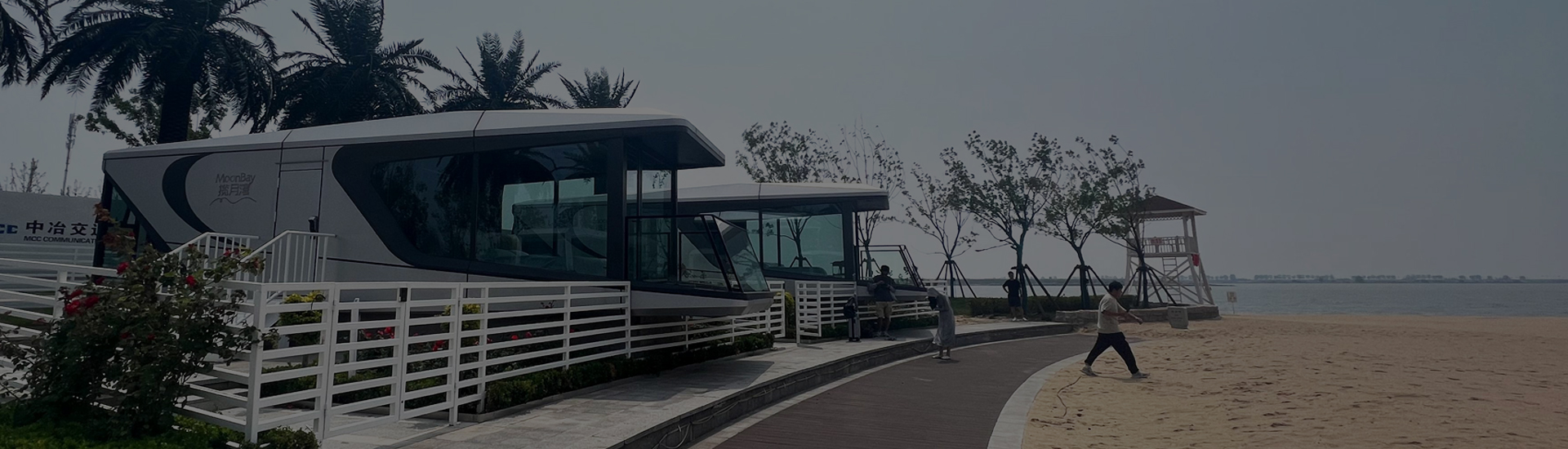
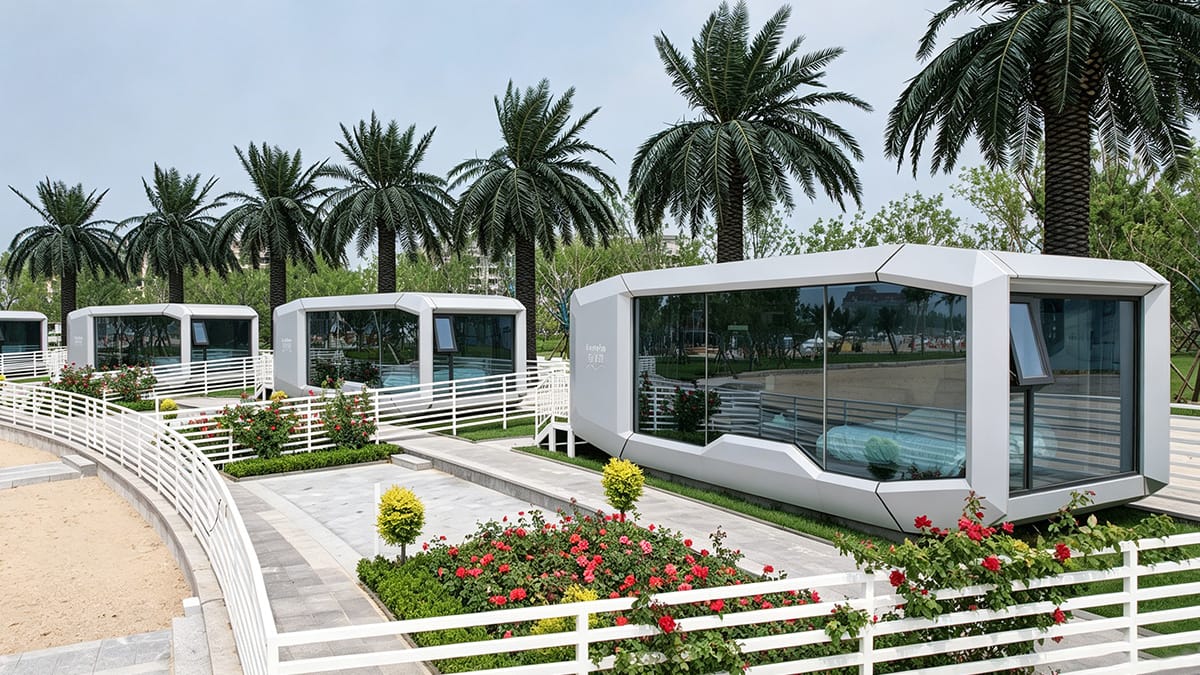
Capsule houses look modern and futuristic. Most have a round or boxy shape. This style comes from space modules. You see smooth lines and shiny surfaces. The design uses recycled steel and polycarbonate panels. These materials make the capsule strong and light. Capsule homes stand out in cities and nature.
Here is a table that shows what makes tiny capsule homes unique:
Feature | Description |
|---|---|
Shape | Often cylindrical or boxy, emphasizing minimalism and efficiency. |
Structural Safety | Known for excellent structural safety, often compared to geodesic domes. |
Sustainability | Prioritizes energy efficiency and a reduced environmental footprint. |
Capsule home designs focus on safety and the environment. The pod shape helps resist strong winds and earthquakes. Using eco-friendly materials lowers your impact on the planet.
Space-Efficient Interiors Inspired by Spaceships
Tiny capsule homes use space-saving ideas from spacecraft. You find beds built into the walls. There is storage under the mattress. Furniture can be used in different ways. Every bit of space is important. There are no wasted corners or mess. Modular layouts let you change the space as you need.
Here is a table that compares space use in capsule houses and traditional tiny homes:
Feature | Capsule Houses | Traditional Tiny Homes |
|---|---|---|
Size | 50 to 100 square feet | 100 to 400 square feet |
Space Efficiency | High, with modular designs | Moderate, may have unused areas |
Design | Minimalist, built-in facilities | Domestic comfort, traditional layout |
Maintenance Costs | Lower due to efficient use of space | Higher due to potential clutter |
Energy Efficiency | Enhanced, lower utility costs | Moderate, may have higher consumption |
Installation Time | Rapid installation in days | Longer, weeks to months for onsite build |
Capsule homes feel bigger than they look. Space-saving solutions keep life simple and neat. You can order a custom tiny capsule home. The design uses ideas from space travel. Everything you need is close by.
Some common materials in tiny capsule homes include:
Recycled steel and aluminum for strength and low weight
Polyurethane foam and mineral wool for insulation
Bamboo and engineered wood for eco-friendly finishes
Polycarbonate panels for walls and roofs
Double-glazed windows for natural light and energy savings
These materials help keep your capsule house warm in winter and cool in summer. You also get a quiet and safe place to live.
 Size Range and Urban Adaptability
 Size Range and Urban Adaptability
Tiny capsule homes come in different sizes. You can pick a small pod for one person. There are bigger units for families. Most capsule homes are 100 to 400 square feet. This size is good for cities with little space.
Here is a table that shows the typical size range for capsule houses:
Measurement Type | Typical Range |
|---|---|
Square Footage | 100 – 400 sq ft |
Width | Maximum of 8.5 ft |
Height | Up to 13.5 ft |
Length | Typically no longer than 40 ft |
These measurements help capsule homes fit in small city lots or rooftops. The compact design lets you move your capsule house if needed. Many cities allow capsule homes in special zones. Always check local rules before buying a custom tiny capsule home.
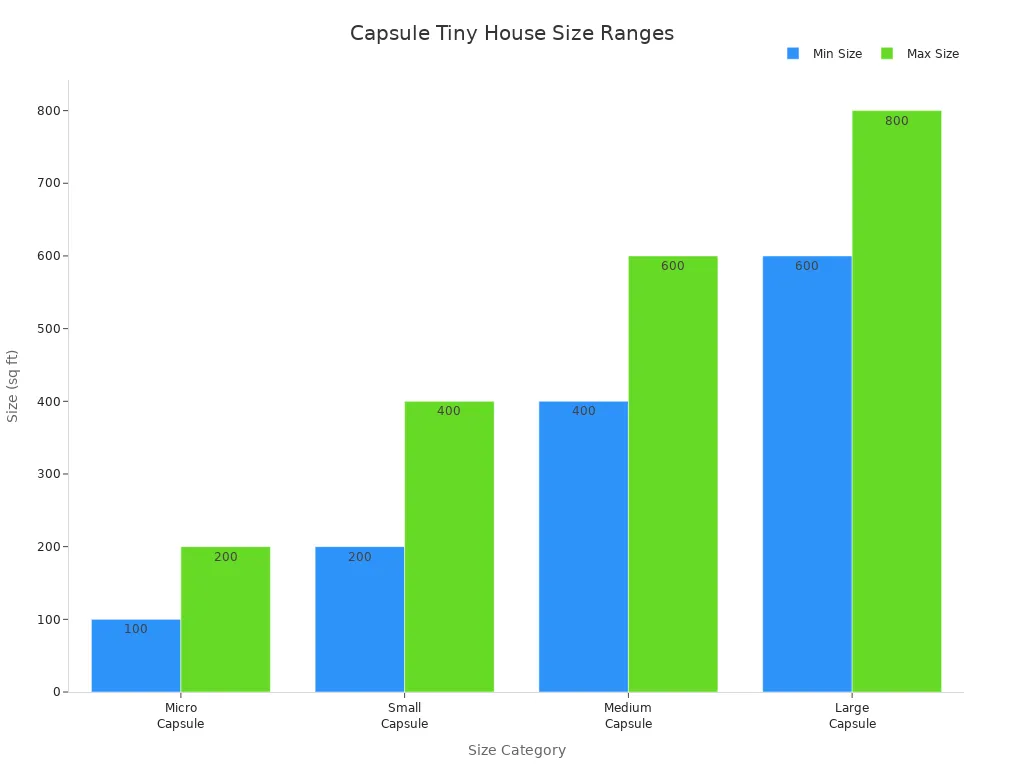
Capsule houses also come in different categories:
Size Category | Size Range (sq ft) | Suitable For |
|---|---|---|
Micro Capsule | 100 – 200 | Solo occupants |
Small Capsule | 200 – 400 | Solo occupants or couples |
Medium Capsule | 400 – 600 | Solo occupants or couples |
Large Capsule | 600 – 800 | Small families |
Tiny capsule homes give space-saving solutions for many people. The smart design makes them easy to place in crowded cities. You get a modern, efficient, and flexible home that fits your life.
Tip: Always check your city’s zoning laws before you place a capsule house. Some areas welcome tiny capsule homes, but others have strict rules.
Why Capsule Houses Are Trending in 2026
Affordability and Cost Benefits
Capsule homes are everywhere in 2026 because they cost less. The price for a capsule house is much lower than regular homes. Builders use smart ways and good materials to keep costs low. Many people want to skip high prefab home prices. Capsule homes let you own a house without spending a lot.
Capsule homes use steel and insulation. Sometimes, these materials cost more. If prices go up, building a capsule costs more. But companies use fast building methods. This keeps costs steady. You also save money because building is quick. Shipping can change prices, but capsules are small and easy to move.
Here is a table that shows what affects capsule home prices:
Economic Factor | Description |
|---|---|
Material prices | Volatile prices for steel, insulation, and windows may stabilize, affecting overall costs. |
Labor & manufacturing efficiency | Standardization and assembly-line methods can help offset material inflation. |
Shipping & logistics | Fuel costs and international shipping impact the prices of delivered capsule homes. |
Regulation & building codes | Stricter codes may increase costs but enhance quality and durability. |
Demand & competition | Increased interest in tiny housing and more brands entering the market can stabilize prices. |
Capsule homes have easy ways to pay. You can get a loan with a simple form. Some companies let you buy with no down payment. You can pick payment plans that fit your money. Many people get their capsule homes in a few weeks. Inspections make sure you get good quality.
Financing Feature | Details |
|---|---|
Flexible Solutions | Tailored financing options for capsule homes, accommodating various credit profiles. |
Application Process | Simple one-page application for amounts up to $350,000 with quick credit decisions. |
Payment Terms | Financing terms range from 12 to 84 months, with options for deferral and seasonal payments. |
Down Payment | $0 down payment available for financing delivery and related business expenses. |
Fast Production | New capsule homes built to specifications within 4-6 weeks. |
Quality Assurance | Third-party inspection ensures product quality before delivery. |
Capsule homes help you skip high prefab prices. You get a modern home for less money. Many people pick capsule homes to save money and live simply.
Flexibility and Adaptability
Capsule homes give you more choices than most homes. You can use them in many ways. The small design lets you fit a capsule in tight spaces. You can put a capsule on a city lot, rooftop, or backyard. Modular parts make it easy to move your capsule. Light materials help you move your home without trouble.
Capsule homes use a compact design that maximizes space efficiency, making them suitable for various living arrangements.
Their modular construction allows for easy relocation, adapting to different locations as needed.
The lightweight materials used in these homes facilitate transport, catering to individuals who prioritize mobility.
Capsule homes work well for people who want flexible living. You can use a capsule as your main home, a guest house, or a rental. Some people use capsules as offices or studios. The small size and smart space use make capsules easy to change.
Here is a table that shows how capsule homes can be used:
Adaptation Type | Description |
|---|---|
Luxury Glamping & Eco-Resorts | Capsule homes provide unique lodging experiences that blend luxury with nature. |
Hotels & Boutique Accommodations | They offer cost-effective, visually appealing modular units to expand guest capacity. |
Private Villas & Backyard Spaces | These pods can serve as guest suites, home offices, or personal retreats, enhancing property value. |
Temporary & Project Housing | Ideal for quick deployment in workforce accommodation or emergency shelters due to their modularity. |
Unique Rental Properties | Stand out in the rental market, attracting guests with innovative designs and higher rental income. |
Capsule homes are great for people who move a lot or want to change their space. You can start with one capsule and add more if you need. This makes capsule homes a smart choice for many people.
Income Potential and Glamping Trend
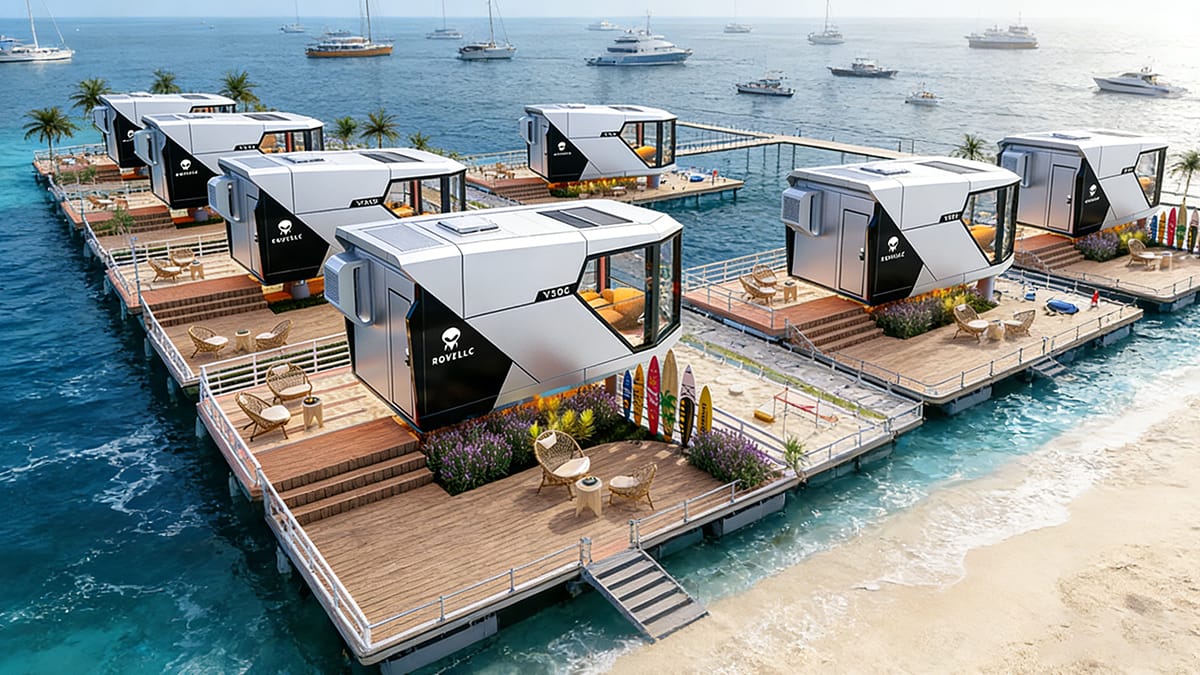
Capsule homes are not just for living. You can use them to make money. Many people use capsule homes for glamping. Glamping means camping with comfort and style. Travelers want cool places to stay. Capsule homes look modern and use eco-friendly features. This makes them popular for glamping.
The glamping trend makes capsule homes more popular. Travelers want green ideas and smart use of resources. Capsule homes use less energy and make less waste. This is what many guests want. You can use capsule homes in cities or nature. The design fits both places.
Capsule homes help you earn rental money. You can rent a capsule for short stays. Many people want unique places to stay. Capsule homes stand out in the rental market. You can charge more for a modern capsule. This makes capsule homes a good investment.
Note: Capsule homes are great for people who want extra income. You can use them for glamping, short rentals, or guest suites. The flexible design helps you meet many guests’ needs.
Capsule homes help you save money, change your space, and earn income. The price for capsule homes in 2026 is lower than prefab homes. Capsule homes use smart design and efficient space. You get a modern, flexible, and affordable home that fits your life.
Sustainability and Smart Features in Tiny Capsule Homes
Eco-Friendly Materials and Energy Efficiency
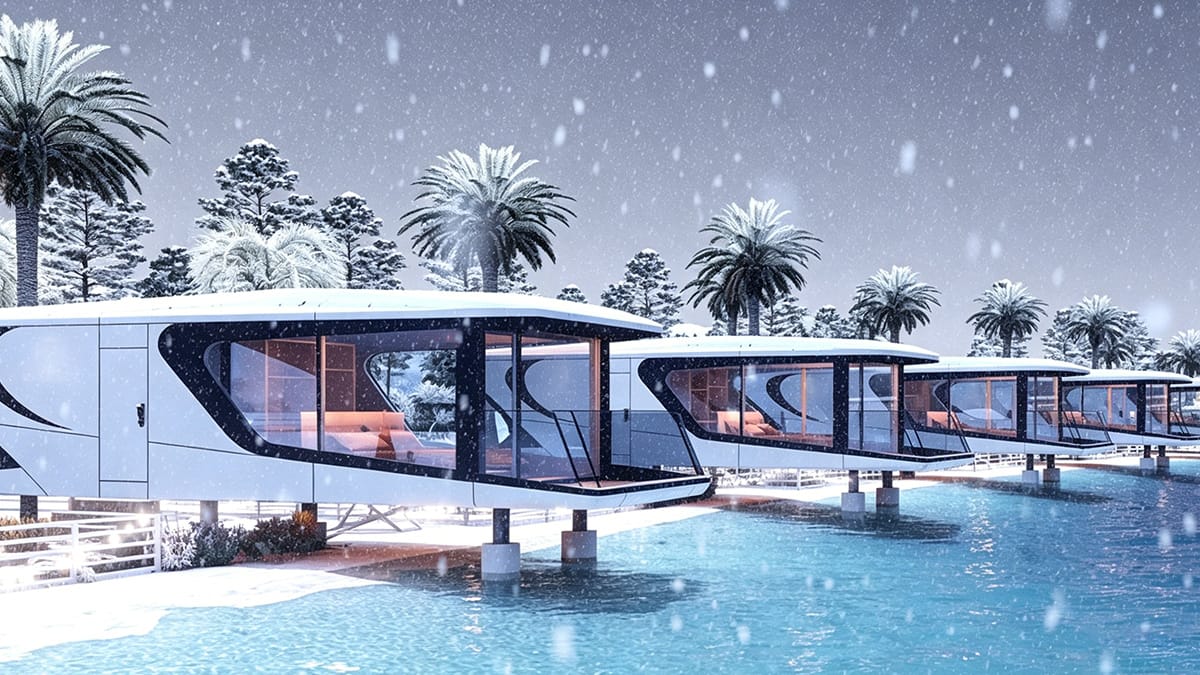 Eco-Friendly Materials and Energy Efficiency
When you pick a capsule home, you help the planet. These homes are made to be good for the environment. Builders use things like recycled steel, bamboo, and engineered wood. You also see polycarbonate panels and mineral wool for insulation. These choices help the earth and lower your carbon footprint.
Capsule homes use less energy than regular houses. They are small, so you need less power to heat or cool them. This saves you money on your bills and helps nature too. Check out this table to see how capsule homes and regular houses are different:
Feature | Capsule Tiny Houses | Traditional Homes |
|---|---|---|
Size | Compact, covering a smaller area | Larger, covering more area |
Energy Consumption | Requires less energy for heating/cooling | Higher energy consumption |
Carbon Footprint | Reduced due to minimal resource use | Larger due to extensive resource use |
Sustainability | Built with eco-friendly materials | Often requires retrofitting for efficiency |
Utility Costs | Lower due to energy-efficient technologies | Higher unless retrofitted |
Environmental Impact | Significant reduction in resource consumption | Greater impact due to size and consumption |
Energy Efficiency Features | Solar panels, energy-efficient appliances | May require additional work for efficiency |
Capsule homes are leaders in being green. You get a home that is ready for the future and helps the environment.
Smart Home Technology Integration
Capsule homes make life feel like the future. Many have smart home technology built in. You get energy-saving appliances and systems that work by themselves. More than half of buyers want these smart features in their capsule homes.
Smart features make your life easier and help you save energy. Here are some ways smart technology helps in capsule homes:
You can use your voice to turn on lights or change the temperature.
Smart thermostats and lights help you use less power.
Automated locks and built-in entertainment make your home safe and fun.
You can control many things with your phone or your voice. This makes your capsule home modern and easy to use. Smart technology also helps the planet by using less energy and making less waste. You get a home that is comfy and good for the earth.
Capsule homes show how being green and using smart features can change tiny living. You get a home that uses eco-friendly materials, saves energy, and is ready for what’s next.
Who Chooses Capsule Home Designs and How They’re Used
Urban Residents and Minimalists
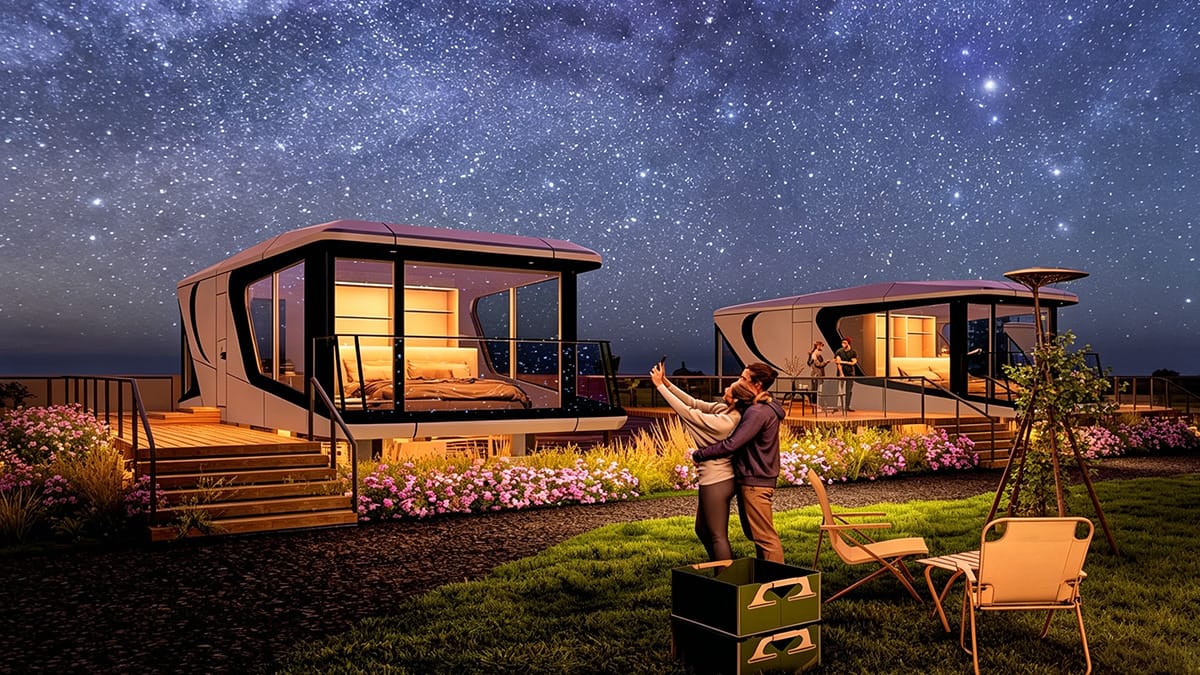 Urban Residents and Minimalists
Many city people pick capsule homes. They want to save money and live simply. Some move often and need a home that is easy to move. People who care about the planet like these homes. Capsule homes use less energy and fewer resources. Here are some reasons you might choose this lifestyle:
You want to pay less for taxes and repairs.
You like living with less stuff.
You care about nature and want to use less.
You want a home you can make your own.
You value simple living and saving things.
You enjoy adventure and being part of a group.
Capsule homes help you live with only what you need. They make life simple and peaceful. You can focus on what makes you happy.
Feature | Capsule Houses | Tiny Houses |
|---|---|---|
Size | Usually bigger | |
Design | Focuses on basic needs | More ways to change the design |
Mobility | Easy to move | Harder to move, stays in one place |
Affordability | Costs less | Can cost more |
Lifestyle Impact | Makes life simple and neat | Helps you live with less |
Glamping and Short-Term Rentals
Capsule homes are not just for living. Many people use them for glamping or short stays. Travelers want cool places that feel cozy and green. If you have land or a yard, you can put a capsule there. You can rent it out and earn extra money. Guests get to try simple living. Glamping sites use capsules because they are easy to set up. You can bring in guests who want comfort and fun.
Tip: If you want to rent out a home, a capsule can help you stand out. Guests like the modern style and eco-friendly features.
Challenges and Considerations
There are some problems with capsule homes. Space is small, so families may not fit well. Privacy can be hard because thin walls let noise in. You may need to change if you have lots of stuff or want more space.
Challenge | Description |
|---|---|
Regulatory Compliance | Some places do not allow tiny homes because of size rules. |
Limited Living Space | Families may find it hard to have enough room. |
Privacy Concerns | Thin walls and open rooms make it hard to be alone or quiet. |
You must check local rules before you buy or place a capsule. Most places want you to follow building and safety codes. Always look up the rules first.
Capsule tiny house design is popular in 2026 because it is cheap, good for the planet, and looks new. Many people pick these homes because they have smart layouts and use green materials. You will find things like furniture that does more than one job, places to hide your stuff, and tech that saves energy. More than half of buyers want to help the earth and live with less.
Think about these things when you decide if a capsule house is right for you:
Criteria | Description |
|---|---|
Affordability | Capsule houses cost less than regular homes, so you save money. |
Sustainability | Green materials and small size are better for the earth. |
Lifestyle Preferences | Good for people who like simple and tidy lives. |
Location Considerations | You can put them in quiet places near nature. |
FAQ
What is the average cost of a capsule tiny house?
You can expect to pay between $25,000 and $60,000 for most capsule tiny houses. The price depends on size, materials, and features. Some luxury models cost more.
Can you live in a capsule house year-round?
Yes, you can live in a capsule house all year. Good insulation and heating keep you warm in winter. Air conditioning helps in summer. Always check your local weather needs.
Do capsule homes need special permits?
Always check your city’s rules before you buy. Some places need special permits for tiny homes. Others have strict zoning laws. Ask your local building office for details.
How long does it take to install a capsule tiny house?
Most capsule homes arrive ready to use. You can set up your home in just a few days. Some models need extra work for plumbing or power.