

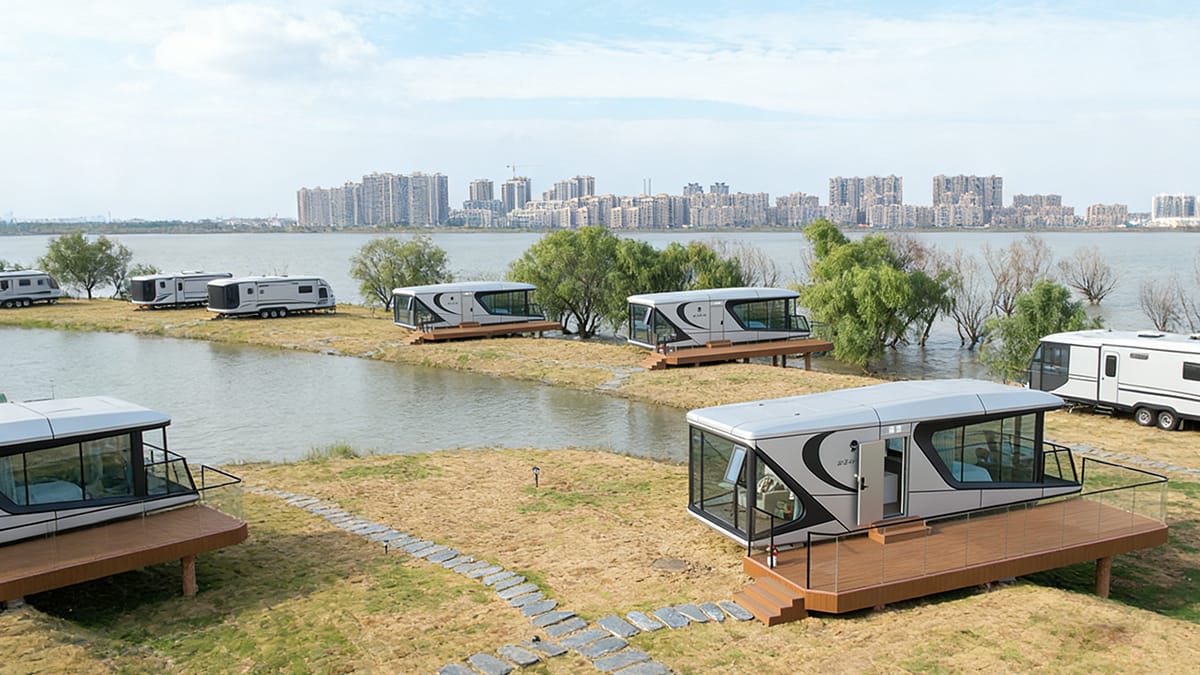
28 May Guide to Sustainable Off-Grid Living with Capsule Houses
Have you ever thought about how you can be free and comfortable while helping the planet? Capsule houses show you can live simply and still use cool technology. Many people pick this way because it helps the earth. These homes use closed-loop recycling and biodegradable materials. Solar panels give power for daily life, so you make less pollution. Here are some good things you can get:
Energy-efficient designs help stop waste.
You save money by using space well and spending less.
Choosing a capsule house lets you try a future where smart choices and good living work together.
Key Takeaways
Capsule houses help people live in a green way. They use solar power and collect rainwater.
Smart design uses space well and makes things work better. This makes capsule houses great for living off the grid.
Using good materials and energy-saving systems can help you save money. It also lowers your carbon footprint.
Careful planning for where to put your house and what systems you need is important. It helps you stay comfortable and independent when living off the grid.
Doing regular maintenance and making smart upgrades keeps your capsule house working well. It also keeps it comfortable for a long time.
What Is a Capsule House?
Key Features and Design
You may ask how a capsule house is not like other tiny homes. A capsule house gives you a small space that feels smart and modern. Every part of the home is used in a good way. Most capsule houses have a simple look and use modular construction. You can move them without much trouble and set them up quickly. They also have smart places to store your things.
Capsule houses make the most of small spaces.
Modular builds let you add or take away parts.
Smart storage helps keep your home neat and useful.
Many capsule houses can be moved or are easy to transport.
You might see solar panels, battery storage, and rainwater harvesting.
Light designs help make setting up easy.
Some capsule houses have wheels or trailers for moving them.
Tip: If you want to live far from cities, a capsule house lets you go where normal homes cannot.
Why Choose Capsule Houses for Off-Grid Living
Capsule houses work well for off-grid living. Solar panels and battery systems give you your own power. Rainwater harvesting helps you get water and stay independent. New capsule houses use strong materials like composite insulation panels and energy-saving windows. These things help your home stay comfy and lower your bills.
Capsule houses care about the planet. You use green energy and safe materials. You also use what you have wisely, so there is less waste and less harm to the earth. The design helps you live simply and do the right thing. You can enjoy nature, save money, and help the planet.
If you want a home that uses technology, can move, and is good for the earth, a capsule house is a great choice. You get a space that fits your life and helps you live off-grid.
Off-Grid Living Essentials
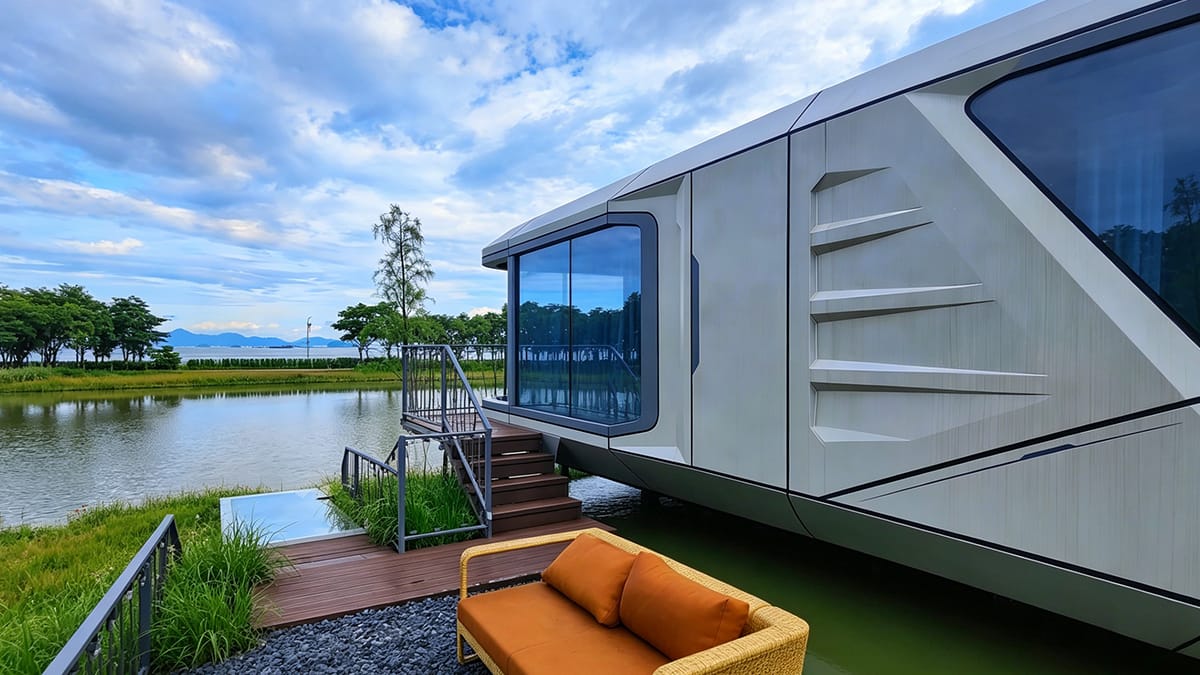 When you start living in a capsule house, you must think about important systems. These systems help you stay independent and comfortable. They also help you be eco-friendly. You want your capsule house to work well. So, you need to plan for solar power, water collection, and waste management. Each system is important for making your capsule house efficient and sustainable.
Note: If you build your capsule house to be self-sufficient, you can live off-grid without worrying about basic needs.
Here’s a quick look at the main systems you need for off-grid capsule houses:
System Type | Contribution to Self-Sufficiency |
|---|---|
Solar Power Systems | Make electricity by yourself, so you don’t need utilities. |
Water Management | Collect, store, clean, and save water for your use. |
Waste Management | Handle waste where you live, so you don’t need sewage pipes. |
Solar Power and Energy Systems
You want your capsule house to use clean energy. Solar power is the best choice for off-grid capsule houses. You can use monocrystalline solar panels. These panels can reach up to 22% efficiency. They help you get more energy from sunlight. MPPT charge controllers make your panels work better. Pure sine wave inverters protect your electronics. They keep everything running smoothly. Lithium iron phosphate batteries store energy for cloudy days.
Component | Details |
|---|---|
Solar Panels | Monocrystalline panels with 20% to 22% efficiency. |
Charge Controller | MPPT controllers help solar panels make more power. |
Inverter | Pure sine wave inverters are needed for sensitive electronics. |
Batteries | Lithium iron phosphate (LiFePO4) batteries work very well. |
You can add a wind turbine to your capsule house. Ecocapsule’s solar panels have a capacity of 600 watts. The wind turbine adds 750 watts more. The battery stores 9,744 Watt-hours. You get about 200 kilowatt hours of energy each month. This setup gives you enough energy for micro-living in small spaces.
Solar panels: 600 watts
Wind turbine: 750 watts
Battery storage: 9,744 Watt-hours
Monthly energy output: 200 kilowatt hours
If you want your capsule house to be sustainable, focus on energy efficiency. You can power lights, appliances, and devices without using the grid. You control your energy use and save money over time.
Water Collection and Filtration
Water is very important for off-grid living. Capsule houses use rainwater harvesting systems to collect water from the roof. You store this water in tanks. You use it for drinking, cooking, and cleaning. Portable water filters and purifiers help you make water safe to drink. These devices remove bacteria and other harmful things, so you stay healthy.
You want your capsule house to have good water safety. Some purifiers remove up to 99.9999% of bacteria. The NSF/ANSI P231 standard needs at least 99.9999% reduction for bacteria, 99.9% for protozoan cysts, and 99.99% for viruses.
4-log reduction: 99.99% of bacteria removed
6-log reduction: 99.9999% of bacteria removed
Meets NSF/ANSI P231 standard
If you live in a capsule house, you can use water wisely and avoid waste. You make your capsule house more sustainable by reusing water and keeping it clean. Micro-living means you use less water, so you help the environment.
Waste Management in Off-Grid Capsule Houses
You need a good waste management system for your capsule house. Off-grid capsule houses use composting toilets, greywater systems, and blackwater options. Composting toilets break down waste and make compost. You don’t need a sewage connection or extra water. Greywater systems filter water from sinks and showers. You can use this water for plants. Blackwater options include septic systems, holding tanks, and incinerating toilets.
Waste Management System | Description |
|---|---|
Composting Toilets | No sewage pipes or extra water needed, use aerobic decomposition to make compost. |
Greywater Systems | Filter and reuse water from sinks and showers for plants. |
Blackwater Options | Use septic systems, holding tanks, and incinerating toilets for toilet waste. |
You want your capsule house to be eco-friendly and sustainable. Composting toilets use less water and make compost, but you must manage them to stop smells. Greywater recycling saves water, but you must filter it to keep plants and soil safe. Portable waste tanks are easy to move, but you must dispose of waste the right way.
Environmental Impact | |
|---|---|
On-site Septic Systems | Needs regular care and can pollute groundwater if not managed well. |
Composting Toilets | Use less water and make compost, but must be managed to stop smells. |
Greywater Recycling | Saves water but must be filtered to stop contamination. |
Portable Waste Tanks | Easy to move but must be emptied properly to protect the environment. |
If you plan your waste management well, your capsule house stays clean and safe. You protect the environment and enjoy off-grid living in your capsule house. You make your micro-living experience better by keeping your small spaces tidy and efficient.
Tip: If you design your capsule house for energy efficiency and self-sufficiency, you get more freedom and peace of mind. You can live off-grid, save money, and help the planet.
Sustainable Capsule House Materials
 Eco-Friendly Construction Choices
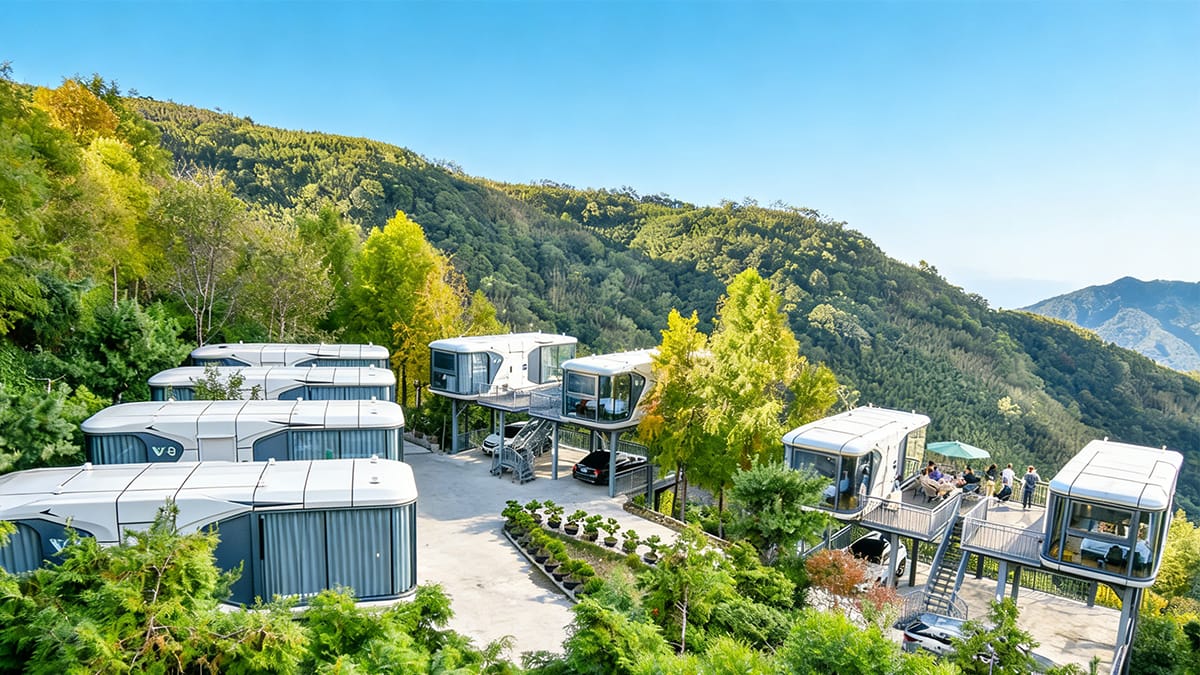 Eco-Friendly Construction Choices
When you pick a capsule house, you can choose many green materials. These materials help the planet and keep your home safe. You might see bamboo, wood veneer, or natural insulation like cotton, hemp, or sheep wool. These choices grow fast and use less energy. They also break down in nature. Using these materials helps keep the air clean and lowers pollution.
Here’s a quick look at what builders use most in capsule houses:
Material | Description |
|---|---|
Aviation-Grade Aluminum | Strong, light, and resists UV rays and rust. |
Hot-Dip Galvanized Steel Frame | Gives strength, resists rust, and absorbs bumps during transport. |
Insulated Panels | Keeps your home comfy, saves energy, and blocks noise. |
Glass and Transparent Materials | Lets in sunlight, uses tough glass, and keeps heat in with double-glazing. |
Composite Materials | SPC floors are strong and water-resistant. WPC surfaces stand up to weather. |
You also help the earth by using recycled or local materials. This lowers your carbon footprint and saves you money.
Insulation and Energy Efficiency
Good insulation keeps your capsule house comfy all year. You can use cotton, hemp, or sheep wool for natural insulation. These materials keep your home warm in winter and cool in summer. Polyurethane foam and extruded board work well too. They have high thermal resistance and help you save on heating and cooling.
Insulation Material | Thermal Resistance (m²·K/W) | Efficiency Comparison |
|---|---|---|
Polyurethane Foam Insulation | 3.2 | Six times more efficient than traditional materials |
Extruded Board | 3.2 | Six times more efficient than traditional materials |
Capsule houses with strong insulation can save up to 70% on energy. You use less energy and help the planet.
Tip: Pick insulation that works best for your weather. Some materials keep heat out in hot places and hold warmth in cold areas.
Modular Building Benefits
Modular construction gives you lots of good things. You can set up your capsule house almost anywhere. The light design means you do not hurt the land. Modular homes use less energy and fewer resources than regular houses. You can add or remove parts to fit your needs. This makes your home flexible and easy to change.
Capsule houses show how small living and modular building can help cities. You get a home that grows with you and stays green. Modular homes also let you use better insulation and green technology, making your home even more eco-friendly.
Capsule House Costs and Budgeting
Entry-Level and Premium Options
You might wonder how much capsule houses cost. Prices can change a lot based on size, features, and style. Some people want a simple shell, while others want a smart home with all the extras. Here’s a quick look at what you can expect:
Cost Tier | Base Price Range | Installation Fees |
|---|---|---|
Entry Level | $5,000 – $8,000 | $1,000 – $2,500 |
Mid-Range | $12,000 – $18,000 | $2,500 – $5,000 |
Premium | $25,000 – $35,000 | $4,000 – $9,000 |
You can find basic capsule houses for as little as $5,000. These usually give you a small, insulated shell. If you want a studio with a bathroom and kitchen, you might pay $25,000 or more. Premium capsule houses with smart features and high-end finishes can cost up to $80,000 or more. Some even have curved, futuristic designs that push the price higher.
Capsule houses come in many sizes. Small models fit singles or couples. Medium ones work for small families. Large or custom capsule houses give you more space and style. This flexibility makes them a great choice for affordable housing.
Tip: Start with a basic model and add features as your budget allows. You can upgrade over time.
Ongoing Expenses and Savings
You will need to think about ongoing costs. Regular maintenance keeps your capsule house in good shape. You might need to fix a roof leak or repaint now and then. These small tasks help you avoid bigger problems later.
If you choose off-grid systems, you can save money on monthly bills. Solar panels and rainwater collection cost more at first, but they lower your utility costs over time. Capsule houses use weather-resistant materials, so you spend less on repairs. Their smart design means you do not need many upgrades.
Here are some common ongoing expenses:
Maintenance and repairs (like roof fixes or painting)
Occasional upgrades or replacements
Cleaning and upkeep
Capsule houses help you save money in the long run. You use less energy and water. You avoid big utility bills. You get a home that is easy to care for and built to last.
Capsule House Setup and Installation
Site Selection and Preparation
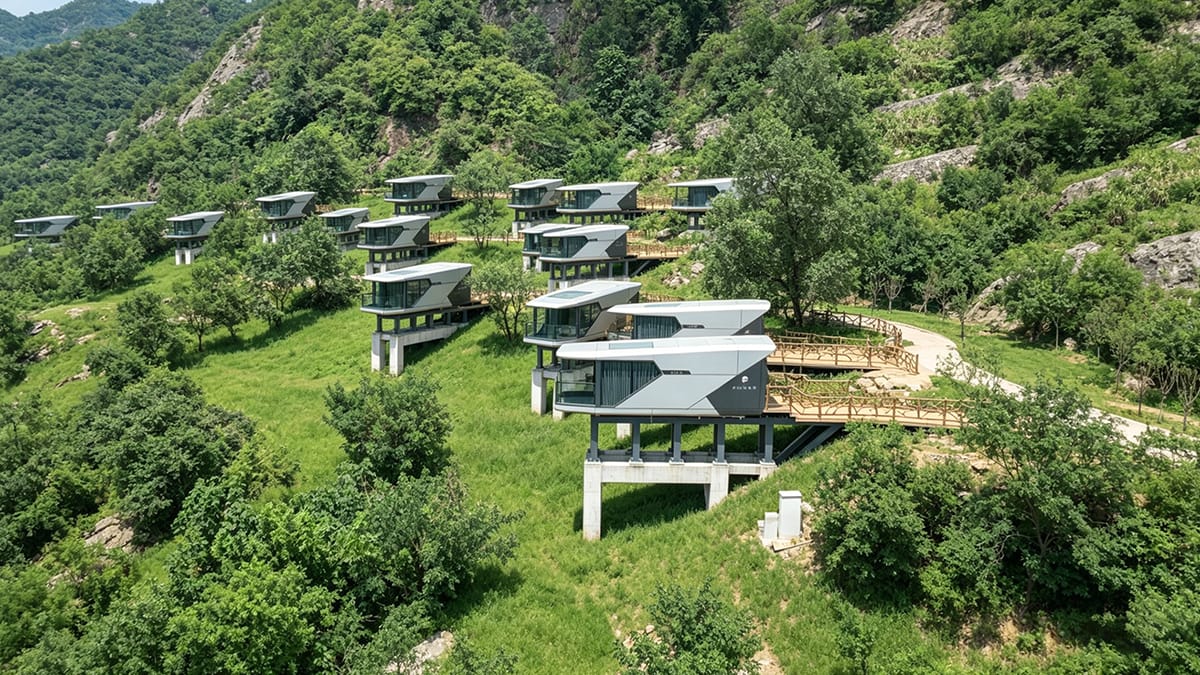 Site Selection and Preparation
You want your off-grid capsule house to last and feel comfortable. Start by picking a good spot. Look for land that gets plenty of sunlight. This helps you use renewable energy sources like solar panels. Check the wind patterns and drainage. Good drainage keeps your home dry. Flat land makes setup easier. If the ground is not flat, you may need to level it.
Here’s a quick table to help you remember what to check:
Factor | Why It Matters |
|---|---|
Makes your off-grid capsule house strong and safe for years. | |
Foundation Choice | Concrete slabs or piers work best, depending on soil and weather. |
Utility Planning | Plan for water, energy, and waste systems before you start building. |
Access | Make sure trucks can reach your site for delivery. |
Local Rules | Check local laws so you do not run into problems later. |
Environment | Sun, wind, and water flow affect your energy and comfort. |
Tip: Always check local rules before you build your off-grid capsule house.
Delivery and Assembly Tips
Capsule houses arrive in big pieces. You need a clear path for trucks. If trees or rocks block the way, clear them first. Sometimes, the land is not flat. You may need to adjust the ground so your off-grid capsule house sits level.
Here are some common challenges and how to handle them:
Challenge | What You Can Do |
|---|---|
Design Accuracy | Measure twice before you start assembly. |
Plan the route and get any needed permits. | |
Site Preparation | Level the ground and check for soft spots. |
When you assemble your off-grid capsule house, follow the steps in order. Start with the frame. Add insulation and panels. Finish with doors, windows, and smart features. You can add stairs or decks to make your space more useful.
Connecting Off-Grid Systems
Now you can make your off-grid capsule house self-sufficient. Connect your solar panels and batteries for energy independence. Set up rainwater tanks and filters for clean water. Install composting toilets and greywater systems for waste. These systems help you use less and live better.
You get energy from renewable energy sources like the sun and wind. This gives you energy independence and cuts your bills. Off-grid capsule houses let you control your energy use and enjoy self-sufficient solutions.
Note: When you finish these steps, your off-grid capsule house is ready for you to move in and enjoy a new way of living.
Climate and Seasonal Adaptation
Adapting Capsule Houses to Weather
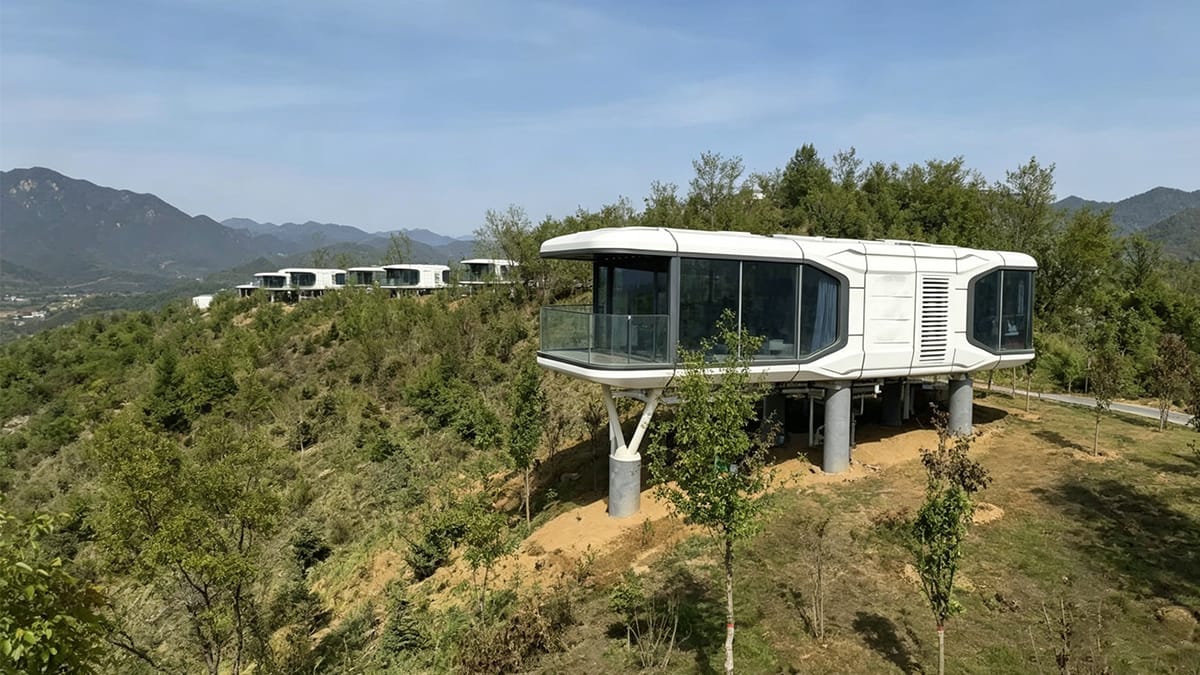 Adapting Capsule Houses to Weather
You may wonder if capsule houses can handle bad weather. These homes are made for many types of climates. They keep you safe during storms and earthquakes. Some capsule houses can survive Level 12 typhoons and magnitude 9 earthquakes. This means you can feel safe even when the weather is scary.
Here’s a quick look at how capsule houses do in different climates:
Feature | Description |
|---|---|
Exceptional Durability | Built to handle strong storms and big earthquakes. |
High Energy Efficiency | Uses good insulation to save money on heating and cooling. |
Insulated Wall Panels | Keeps the inside temperature nice and steady. |
Winterized Versions | Has floor heating, pipe covers, and extra insulation for cold places. |
Capsule houses are a smart pick for off-grid living. They use new technology to keep you comfy all year. This is what micro-living will look like in the future.
Insulation and Weatherproofing
You want your capsule house warm in winter and cool in summer. Good insulation helps a lot. Capsule houses use different ways to insulate, depending on where you live. Some use spray foam. Others mix rigid foam and spray foam for better results. Hybrid insulation keeps you most comfortable and blocks cold air. Thermal breaks at folds stop heat from leaking out. This is important for houses that can expand.
Check out this table to see how insulation methods compare:
Strategy | Warmth Result | Winter Comfort | Notes |
|---|---|---|---|
Basic insulation only | Medium warmth | May have cold spots | Not good for very cold places |
Spray foam only | Good warmth | Seals air better | Needs a pro to install |
Hybrid (Rigid foam + Spray foam) | Best warmth | Most comfortable | Stops leaks and keeps heat in |
Thermal breaks at folds | Best warmth | Great for winter | Needed for houses that expand |
These features let you enjoy small living spaces all year. You get to live simply and still stay comfortable. Capsule houses show how you can live well in any weather.
Emergency Preparedness
Living off-grid means you must be ready for anything. You should have an emergency kit with a radio, flashlight, first aid kit, and batteries. Make sure your car works well so you can leave fast if needed. Keep important papers in a safe spot you can grab quickly. Remember to have supplies for your pets, since only service animals can go to shelters.
Have an emergency kit with a radio, flashlight, first aid kit, and batteries.
Keep your car in good shape so you can leave quickly.
Make a list of important papers and keep them easy to reach.
Bring supplies for your pets because only service animals are allowed in shelters.
Capsule houses make off-grid living safer and easier. With good technology and planning, you can enjoy micro-living no matter what happens.
Maintenance for Off-Grid Capsule Houses
Routine Maintenance Tasks
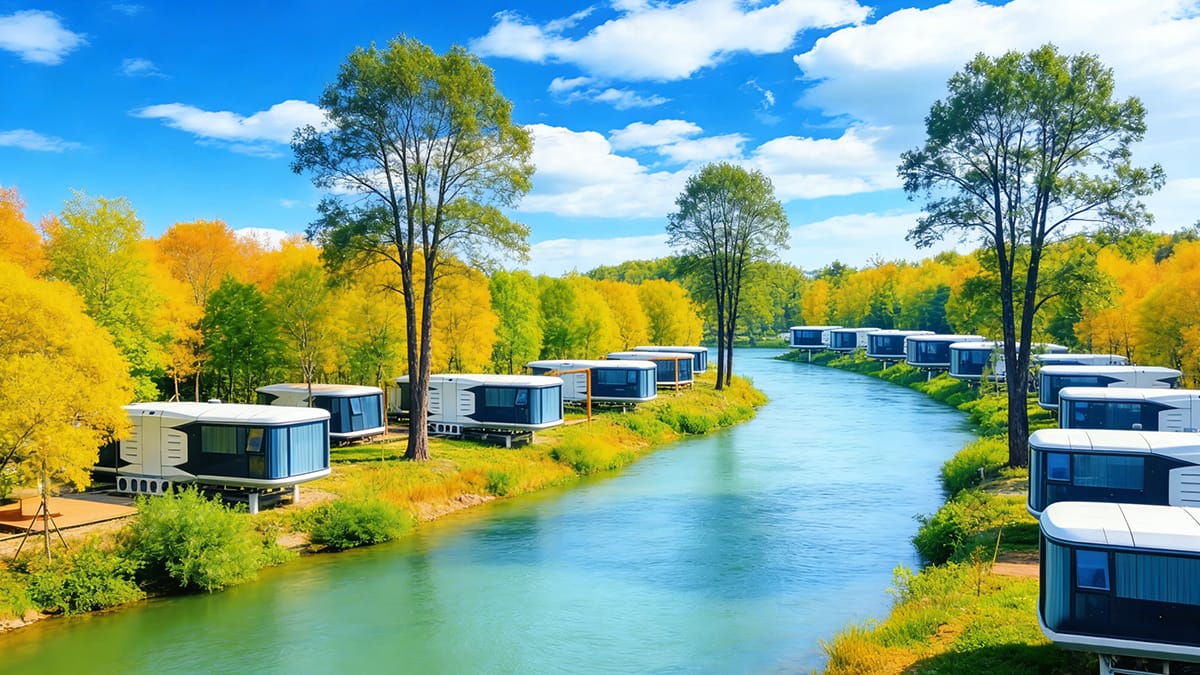 Routine Maintenance Tasks
You want your off-grid capsule house to last a long time. Regular care keeps things working well and stops big repairs. Here’s a table to help you remember what to check:
Category | Task Description |
|---|---|
Exterior Maintenance | Clean aluminum panels or composite walls every few months. |
| Check sealants and joints once a year to stop leaks. |
| Add protective coating every few years to stop rust. |
Interior Care | Use air vents or smart ventilation to keep air fresh. |
| Look at hinges, foldable tables, and sliding doors often. |
| Test LED lights and smart systems every year for safety. |
HVAC and Electrical | Clean or change air filters every couple months. |
| Wipe solar panels each month for best energy. |
| Check batteries and inverters for dust and loose wires. |
Seasonal Maintenance | Check cooling systems and window shades in summer. |
| Drain unused water tanks and check insulation in winter. |
| Make sure roof drains and water outlets are clear during rainy season. |
Tip: Set reminders on your phone so you don’t forget any maintenance!
Troubleshooting Common Issues
Living in off-grid capsule houses can have some problems. You might face issues, but most are easy to fix. Here are some common problems and what you can do:
Issue | Description |
|---|---|
Limited Space | Use furniture that does more than one thing and keep only what you need. |
Privacy Concerns | Use curtains, screens, or headphones for quiet time. |
Storage Limitations | Try vertical shelves and under-bed storage. |
Zoning and Permitting Issues | Always check local rules before you buy or move your home. |
Resale Value | Keep your house in good shape and save all paperwork for future buyers. |
If you keep your capsule house neat and organized, you will enjoy your space more. You also help the planet by recycling and picking eco-friendly housing.
Upgrades and Future-Proofing
You can make your off-grid capsule house better with smart upgrades. These changes make your home more comfy, save energy, and help the planet. Here are some popular upgrades:
Upgrade Type | Benefits |
|---|---|
Double Tempered Hollow Low-E Windows | Lower energy bills, steady indoor temps, less outside noise. |
Triple Pane Upgrade | Best insulation and soundproofing for all seasons. |
Water Circulation Underfloor Heating | Warm floors and even heat in every room. |
Graphene Electric Heating Modules | Fast, maintenance-free floor heating. |
Water Pipe Insulation | Stops pipes from freezing in cold weather. |
Upgraded Air Conditioning | Reliable cooling and heating, even in extreme weather. |
Enhanced Glass | Keeps heat in and cold out, saving energy. |
You can pick upgrades that fit your budget. For example, a basic heating module starts at $2,100, while top models cost up to $3,300. These upgrades help you use less energy and lower your carbon footprint. When you add sustainable features, your capsule house is ready for the future.
Note: Upgrading your capsule house gives you more comfort and helps the planet too.
Capsule houses help you live off-grid in a simple way. They use solar power to make electricity, even far from cities. Composting toilets let you manage waste without hurting nature. Water recycling systems give you clean water when you are alone. These homes are built strong to handle bad weather. Look at the table below to see how each part helps you live better and care for the earth:
Feature | Benefit |
|---|---|
Solar Power Systems | Generate electricity in remote areas. |
Composting Toilets | Eco-friendly waste management systems. |
Water Filtration Systems | Ensure access to clean water in isolation. |
Durable Construction | Weather-resistant for tough locations. |
Are you excited to try this way of living? Share your thoughts or questions in the comments. Your ideas might help others want to live off-grid too!
FAQ
How long does it take to set up a capsule house?
You can set up most capsule houses in one to three days. The process goes faster if you prepare the site and have help. Some models need only a few hours for assembly.
Can you live in a capsule house year-round?
Yes, you can live in a capsule house all year. Good insulation and weatherproofing keep you comfortable in every season. You may want to add extra heating or cooling for extreme weather.
What appliances can you use off-grid?
You can use energy-saving appliances like mini-fridges, induction cooktops, and LED lights. Here’s a quick list:
Portable induction stove
Compact fridge
Laptop and phone chargers
LED lighting
Tip: Choose appliances with low power use for best results.
Is it hard to get permits for capsule houses?
Permit rules change by location. Some places allow capsule houses as tiny homes or ADUs. Always check with your local building office before you buy or move your capsule house.
How do you handle internet and phone service off-grid?
You can use mobile hotspots, satellite internet, or cell signal boosters. Many off-grid owners use solar-powered Wi-Fi routers. You stay connected almost anywhere.