

01 Jun Understanding Capsule Houses and Their Modern Design
You see a capsule house as a small place to live. It gives you everything you need in one space. Capsule homes use modular designs. This helps you enjoy simple spaces that feel big and work well. Many people pick capsule homes because they are fancy but not too expensive. They have features like pod homes and tiny houses. Capsule designs get attention from people all over the world. The market is now worth $18.7 billion. You see more capsule homes each year. The market may grow to over $40 billion by 2030. People like capsules for their smart use of space. They also save energy and have flexible layouts.
Capsule homes offer:
Self-sustained living
Modular construction
Minimalist style
Rapid market growth
Key Takeaways
Capsule houses are small homes. They use space well. They are good for modern life.
These homes do not cost much. Prices are from $3,000 to $42,000. They are cheaper than regular houses.
Capsule houses use new materials and technology. They save energy and help the planet. This also saves you money.
You can set up capsule homes fast. It takes only a few days. This lets you change how you live easily.
You can change the design of your capsule house. You can pick features that match your style and needs.
Capsule House Basics
Definition & Concept
A capsule house is a new way to live. It is a small unit with everything you need inside. You can add or take away parts because of modular designs. These homes are simple and use space in a smart way. Most capsule homes are made in factories and brought to you ready to use. This is not like regular houses, which are built at the place where you live.
Capsule homes are special because they use strong metals like hot-galvanized steel and aluminum alloy. These metals help the capsule last long and stay safe in bad weather. Advanced insulation keeps heat inside, so you use less energy. This saves you money and helps the planet at the same time.
Here is a table that shows how capsule houses and traditional homes are different:
Characteristic | Capsule Houses | Traditional Homes |
|---|---|---|
Construction Method | Built in a factory and delivered ready to use | Built at your home site |
Materials | Hot-galvanized steel and aluminum alloy | Wood, brick, and other materials |
Energy Efficiency | Up to 65% better because of good insulation | Not as good, depends on the house |
Deployment Speed | Can be set up in just a few days | Takes weeks or months to finish |
Modern Amenities | Often has smart home features | Usually added after building |
Space and Comfort | Small but uses space well | Usually bigger with more room |
Durability | Very strong and stands up to weather | Not always as strong or tough |
How Capsule Houses Work
Capsule homes use smart systems to help you every day. The materials are advanced and help the earth by using less energy. You get features that let you live on your own. Tight seams keep heat in, so you save energy and pay less for bills. This design helps the capsule house use less energy and be better for the earth.
Inside a capsule home, you find many helpful systems:
Bathroom is built in for easy use.
You control lights, temperature, and security with your voice.
Warm lights and electric curtains give you privacy and comfort.
The smart door uses your phone, fingerprint, or face to open.
You can use your voice to change the temperature, lights, and curtains.
The air conditioner keeps the room cool or warm.
The water heater gives you hot water when you need it.
The kitchen can be changed to fit what you want.
There is a bar counter for eating or hanging out.
Solar panels help make the home use less power.
Smart thermostats learn what you like to save energy.
Capsule homes use technology to make life easy and nice. The modular design lets you change the space or add more capsules if you need more room.
Evolution & Comparison
Capsule homes have been around for a long time. In the 1970s, Kisho Kurokawa made the first capsule house. This changed how people thought about small homes. In 1979, the first capsule hotel opened in Osaka, Japan. This showed that capsule homes could work in real life. The Metabolist movement also helped shape capsule homes. It wanted to use space well and make homes that fit city life. Designers also got ideas from space travel. Capsule homes look like space capsules, which makes them feel cool and new.
You might want to know how capsule homes are different from micro homes and pod homes. Here is a table to show the differences:
Feature | Capsule Houses | Micro-Homes and Pod Homes |
|---|---|---|
Design | Small, modular, and uses lots of technology | More basic and not as much technology |
Functionality | Uses furniture that does many things and smart tech | Made for longer stays but not as smart |
Space Utilization | Uses every bit of space in a smart way | Has more space but does not use it as well |
Portability | Easy to move and set up in different places | Usually stays in one place and is hard to move |
Capsule homes use more technology and modular parts than most micro homes. A micro home is small but may not have smart systems or a flexible design. Capsule homes are also different from pod homes because you can move and change them more easily. The capsule design lets you live in a modern, smart, and flexible way.
Features & Design
 Modular Construction
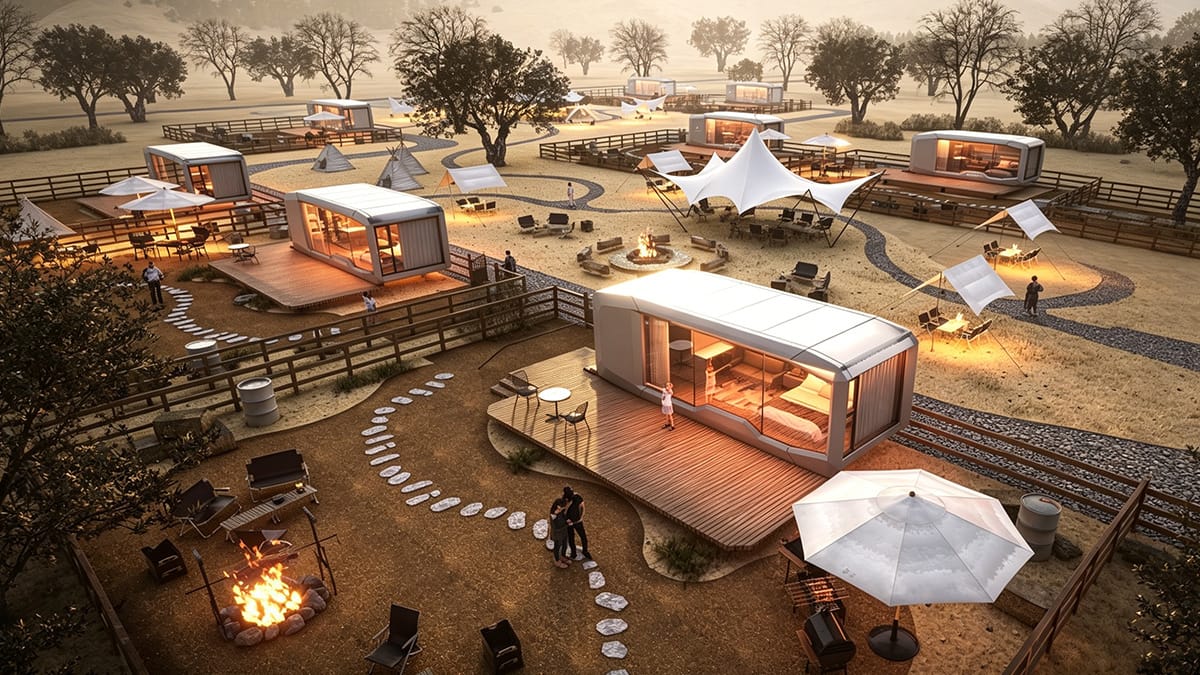
 Modular Construction
A capsule house is built in pieces at a factory. These pieces are put together fast at your home site. This saves you time and money. Two people can set up a capsule in one day. Four people can build a bigger one in three days. You do not need a big concrete base. Just level the ground and you are ready. This makes it much cheaper than regular homes.
Here is a table that shows why modular construction is smart:
Advantage | Description |
|---|---|
Fast Assembly | Build time is short and you pay less for work. |
Flexible Layouts | You can change the design for any place or style. |
Sustainability | There is less waste and better use of stuff. |
Portability | You can move your home without losing safety or quality. |
You can move your capsule house if you want to live somewhere else. The modular system lets you add or take away capsules to fit your needs.
Space Efficiency
A capsule house is small but feels bigger inside. Most are between 200 and 500 square feet. The design uses every bit of space well. Furniture can be used for more than one thing. Clever layouts help you sleep, eat, and relax in one area.
Cabinets on the wall use space up high.
Beds that fold up give you more room in the day.
Here is a table that shows how space is used:
Feature | Description |
|---|---|
Compact Units | Gives you all you need in a small area. |
Clever Layout | Sleeping, storage, and living areas are set up smartly. |
Modular Nature | You can stack or arrange capsules for more people. |
Space-Saving Design | Lets you live well without needing a lot of space. |
Your capsule house looks clean and open because there is not much clutter.
Materials & Technology
Capsule houses use strong and smart materials. The main frame is made from galvanized steel. The outside shell is aluminum alloy. These keep your home safe and strong. You also get insulation, waterproof layers, and special glass for windows and skylights. The front door is stainless steel. Inside, you walk on wood floors and see marble or tile in the bathroom.
Capsule homes use technology to make life easier. Energy systems help you save power. Some homes have solar panels to make extra energy. You can even sell this power back to the grid. The design uses light materials to protect the ground. Many parts of your home can be reused or recycled.
Minimalist Aesthetic
A capsule house has a simple and clean look. The design uses sharp corners and straight lines. You get a small space with hidden storage. This keeps your home neat and open. The small design helps you keep only what you need. You do not see mess. You see clean spaces and smart use of every spot.
Capsule homes use new and cool design ideas. You get all you need in a tiny space. Living in a capsule house helps you keep life simple. This makes you feel calm and happy.
Tip: If you want a neat and peaceful home, pick a capsule house with a small design. You will like the modern look and easy way of living.
Benefits & Challenges
Sustainability
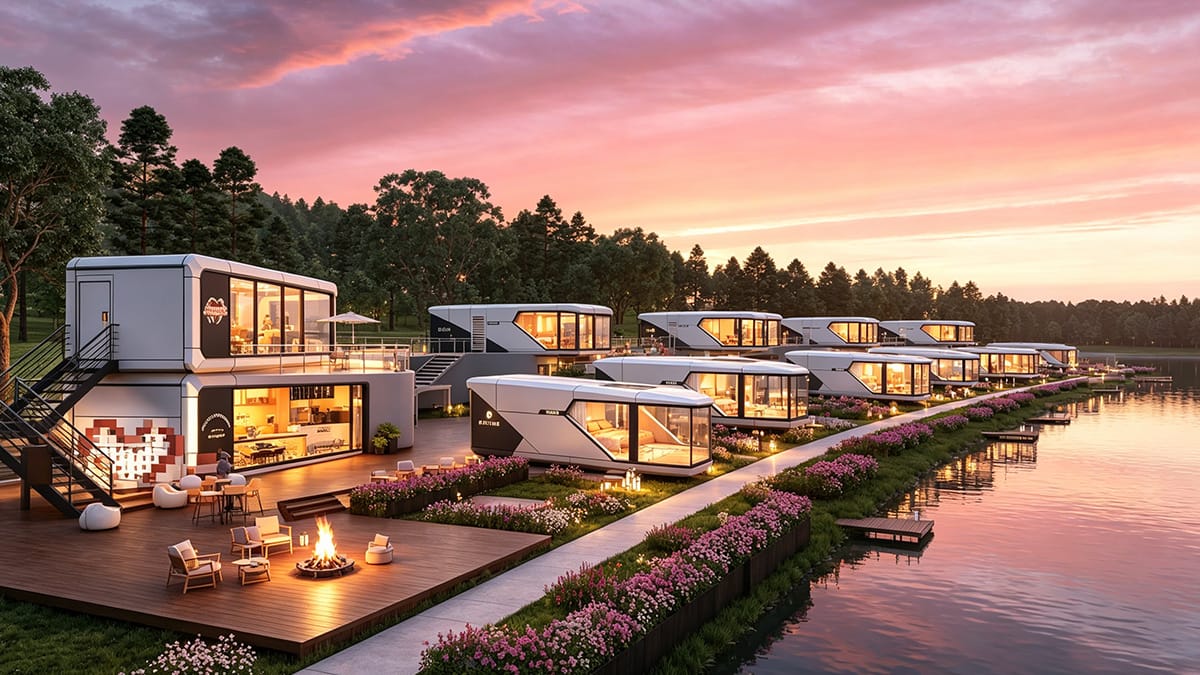
 Sustainability
Capsule houses help the earth. They use lights that save energy. The walls and floors have strong insulation. Ventilation systems are smart and work well. Many homes use recycled or eco-friendly materials. The small size means you use less energy. Heating and cooling cost less. Building makes less waste. Solar panels and water-saving features are common. You lower your carbon footprint. You live in a way that helps the planet. Capsule houses use fewer resources than regular homes.
Note: Capsule houses are good if you want to live green and help the planet.
Affordability
Capsule houses are cheap to own. Some models cost only $3,000. Most capsule homes cost $38,000 to $42,000. Even fancy capsule houses are cheaper than regular homes. You save money on energy bills. Smart insulation and solar panels help with this. Repairs and upkeep cost less too. You get modern living without spending a lot. Many people pick capsule houses because they are easy to care for and affordable.
You spend less to build and run your home.
Land and materials cost less.
You get a modern, affordable space capsule house.
Space Optimization
Capsule houses use space in smart ways. Clever layouts make small rooms feel big. Mirrors and light colors help rooms look bright. Furniture can do more than one thing. Sofa beds and foldable tables save space. Wall shelves and loft beds use space up high. You can store things under your bed. This keeps your home neat. Decluttering often helps your capsule stay organized.
Strategy | Description |
|---|---|
Adding Mirrors | Mirrors bounce light and make your home look bigger. |
Choosing Light Colors | Light colors make your capsule feel open and bright. |
Multifunctional Furniture | Furniture does many jobs and saves space. |
Utilizing Vertical Space | Wall shelves and loft beds use space above you. |
Decluttering Techniques | Keep only what you need so your home stays neat. |
Maximizing Under-Bed Storage | Store things under your bed to free up space. |
Limitations
Capsule houses have some problems. Small size makes it hard to store lots of things. Privacy is tough because walls are thin. You might hear noise from neighbors or outside. Some people need more room than a capsule gives. Laws and rules can make it hard to build capsule homes in some places.
Limitation | Description |
|---|---|
Thin walls and close living make privacy hard. | |
Poor Sound Insulation | Noise from outside or neighbors can get in. |
Restricted Living Space | Small size limits what you can do. |
Zoning and Regulations | Local laws may stop you from building where you want. |
Tip: Think about what you need and check local rules before picking a capsule house.
Practical Aspects of Capsule Homes
Installation
 Installation
It is fast to set up a capsule house. You start by moving the prefab house to your land. A trucking company brings the capsule to you. When it gets there, a crane lifts it off the truck. The crane puts the capsule on your flat foundation. The crane must lift at least 25 tons to be safe.
After the capsule is in place, a contractor connects water, power, and sewage. The contractor also checks if the foundation is flat and strong. Most prefab house models do not need a big concrete base. A flat and steady ground is enough. The whole setup can finish in just a few days.
Typical steps for installing a capsule house:
Set up delivery with a trucking company.
Hire a crane to unload and move the capsule.
Get the site and foundation ready.
Have a contractor connect the utilities.
Check the capsule for safety and comfort.
Tip: Always check local rules before you set up a prefab house. Some places have special rules for utility hookups or foundation types.
Maintenance
You need to take care of your capsule house to keep it nice. Doing regular checks helps your prefab house last longer. Look at the foundation often for cracks or movement. Wash the outside to get rid of dirt and keep it looking good. Check the roof for leaks or missing parts.
You should check the plumbing and electric systems for problems. Clean the HVAC system to keep air fresh and save energy. Make sure the insulation is still working well. Look at doors and windows for cold air coming in. Seal any gaps to stop energy loss. Keep bugs out by sealing cracks and cleaning often. Good landscaping helps water move away from the foundation.
Maintenance checklist for your capsule house:
Wash and fix the outside.
Look at the roof for leaks.
Test plumbing and electric systems.
Clean the HVAC system.
Check the insulation.
Look at doors and windows.
Seal cracks to keep bugs out.
Make sure water drains away from the house.
Clean inside and outside.
Change tasks for each season.
Note: Taking care of your prefab house helps it last longer and keeps your home healthy.
Legal & Zoning
You must follow the rules when you put up a capsule house. Zoning laws say what you can build on your land. Some places only let you build homes. Other places let you build stores or factories. Sometimes, people are not sure what rules fit capsule homes. This can change what you need to do for your prefab house.
You need permits for the foundation, utility hookups, and living in the capsule. Cities and towns change their rules as more people want new kinds of homes. This makes it easier to put up a prefab house in cities and the country.
Key points about legal and zoning rules:
Zoning laws decide what you can build.
Capsule houses may not fit old rules, so ask your local office.
You need permits for the foundation, utilities, and living there.
More places now allow prefab house choices because people want green homes.
Tip: Always talk to your local building office before you buy or set up a capsule house. This helps you avoid trouble and delays.
Cost & Investment
Capsule house models cost less than most regular homes. You pay less for materials, work, and energy. Most prefab house units cost $38,000 to $42,000. Some simple capsule models cost only $3,000. You also save money on energy bills because of good insulation and smart systems.
Capsule houses are a good investment. More people want small, green homes now. This makes your capsule worth more if you sell it. You can also rent your prefab house to make extra money. Where your house is, how well it is built, and what people want can change how much you earn.
Lifespan | Factors Influencing Durability |
|---|---|
50 years | Quality of materials, maintenance, structural design, environmental conditions |
Note: If you take care of your capsule house, it can last up to 50 years. Good care and strong materials keep your prefab house valuable.
Investment benefits of a capsule house:
Energy savings lower costs and attract buyers.
Resale value goes up as more people want cheap homes.
You can rent your capsule if you do not live in it.
Tip: Think about where your prefab house is and how good it is. These things help you get the most money back.
Modern Capsule House Examples
Applications
 Applications
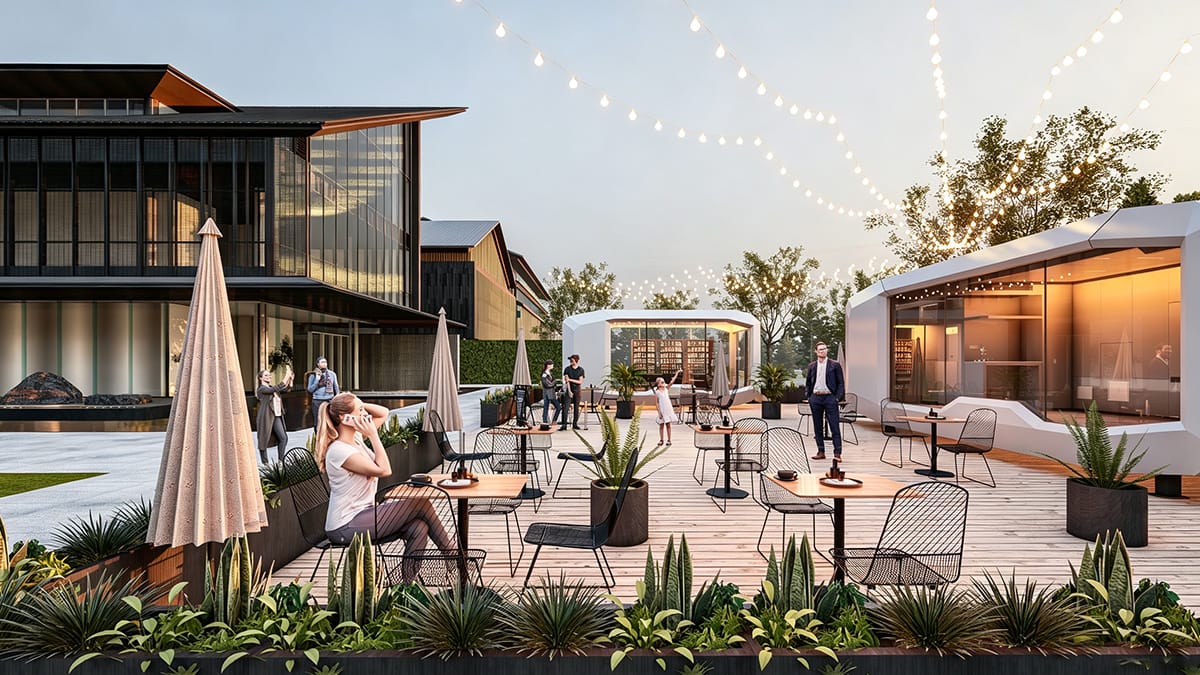
You can see capsule houses in many places today. Cities use them for more than just homes. Sometimes, a capsule is a pop-up shop or a food stall. Parks use capsule houses for stores or services. At big events, a capsule can be a ticket booth or an info spot. These homes are easy to move and set up fast, so they work in many ways.
Here is a table that shows where you might find a capsule house and what it does:
Setting | Application Examples |
|---|---|
Urban | Information booths, pop-up shops, food stalls |
Park | Retail and service needs |
Event | Ticket booths, information points, security stations |
A capsule house can be used for stores, services, or living. You might use one as a small office or a place to relax in a park. People like capsules because they are flexible and quick to set up.
Real-World Designs
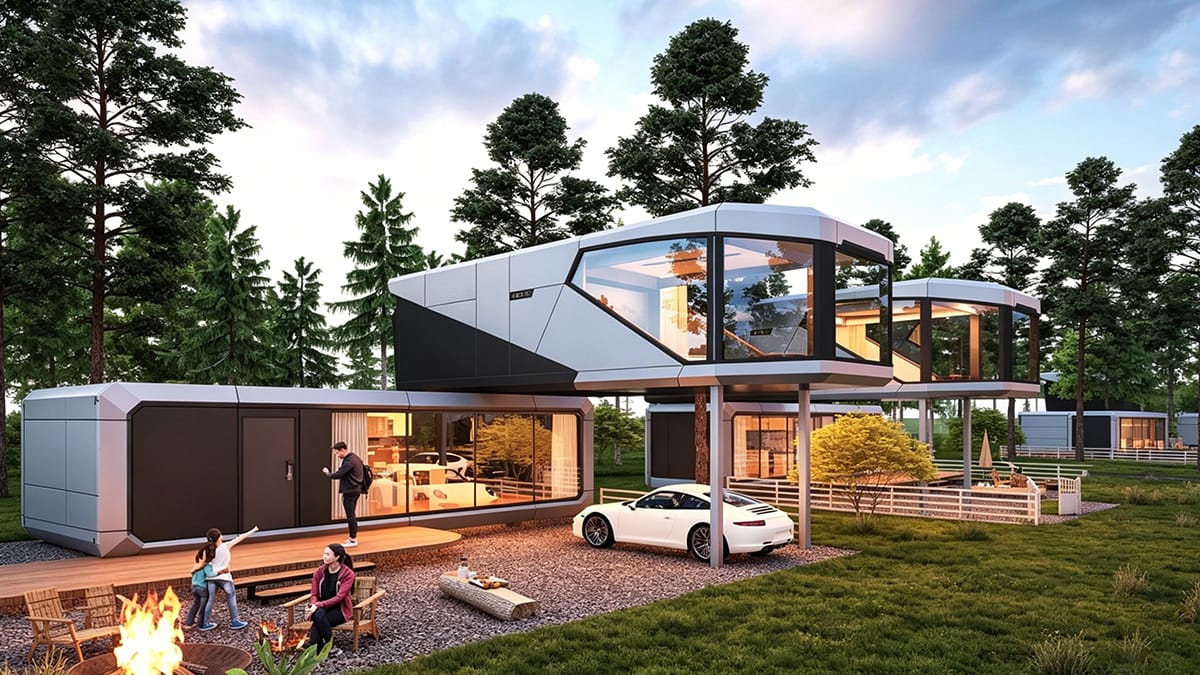
Designers keep making new kinds of capsule houses. Some look like space capsules and have a modern style. Others focus on comfort and smart features. You can find capsule houses made with eco-friendly materials. Many designs let you change the inside to fit what you want.
The table below shows how a capsule house can be used for different things:
Purpose | Description |
|---|---|
Residential | Adapted for living spaces, providing compact housing solutions. |
Retail | Can be used as pop-up stores, offering flexible retail options. |
Service | Suitable for office spaces, enhancing workspace efficiency. |
Some capsule houses are special because of their cool features. You might see one with soft beds and smart controls. Others use recycled materials and solar panels. Many designs let you pick colors or layouts to match your style.
Feature | Description |
|---|---|
Futuristic Designs | Space capsule houses offer sleek, modern aesthetics reminiscent of living in a space station. |
Compact Luxury | Despite their small size, they provide luxurious comfort with plush bedding and advanced technology. |
Sustainability | Built from eco-friendly materials, these houses support eco-conscious living while providing luxury. |
Customization Potential | Designers can tailor these houses to fit various themes or locations, creating unique experiences. |
Tip: If you want a home that fits your life, a capsule house gives you many choices. You can use it for work, play, or rest.
You now know that a capsule house uses smart design and strong materials. It also has modern technology to help you. This kind of home helps you save money and space. But there are some problems, like not having much privacy. Before picking a capsule house, think about these things:
What design and features you want
How much money you can spend
If you want to change or add things
Where you want to live
What style you like
Be sure your way of living fits what a capsule house gives you.
FAQ
What is the average size of a capsule house?
Most capsule houses measure between 200 and 500 square feet. You get enough space for sleeping, eating, and relaxing. The design uses every inch well, so you feel comfortable even in a small area.
Can you customize the interior of a capsule house?
Yes, you can choose layouts, colors, and features. Many companies let you pick furniture, lighting, and smart systems. You can make your capsule house fit your style and needs.
How long does it take to install a capsule house?
You can set up most capsule houses in just a few days. The factory builds the main parts. Workers deliver and assemble them quickly at your site. This saves you time and money.
Are capsule houses safe in bad weather?
Capsule houses use strong metals and advanced insulation. You stay safe during storms or heavy rain. The design protects you from wind and water. Always check local building codes for extra safety.
Do capsule houses need special maintenance?
You should check the foundation, roof, and systems often. Clean the outside and inside to keep your home in good shape. Regular care helps your capsule house last longer and stay comfortable.