
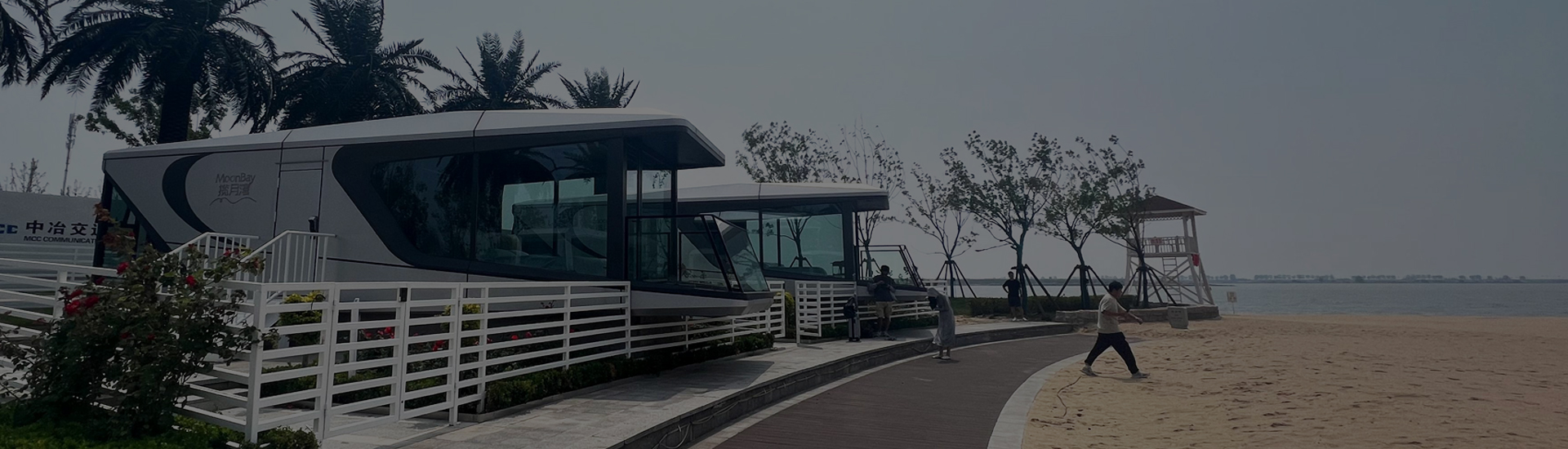
30 Mar Modular Housing Options for Resorts and Campsites Explained
You see modular housing changing campgrounds and resorts. The RV resort market grew fast. It offers fancy features for glamping fans. Many younger guests want tiny, cheap, and flexible places. You find tiny vacation home designs and Prefab Resort Capsule Houses. There are tiny short-term homes for airbnb and vrbo. Living in a park model gives you a tiny home feel. Tiny glamping business owners use cabins, tents, and container units. These are good ways to make money with modular glamping homes. Sustainability and tiny housing choices push the glamping trend. Tiny vacation home rentals and tiny campgrounds are growing. This happens as more people need tiny temporary housing. Tiny campground home options bring in airbnb and vrbo guests.
Year | Revenue (in billions) | CAGR (%) |
|---|---|---|
2023 | 4.4 | |
2024 | 11.4 (projected) | 1.4 |
About 5,716 new campsites are being built in North America by early 2026.
Key Takeaways
Modular housing is fast to set up. Resorts can open sooner and make money faster.
Modular homes cost less to build and fix. This makes them a good choice for campgrounds with small budgets.
Modular housing uses eco-friendly materials and designs. This brings in guests who care about the environment and want something special.
Modular designs are flexible. It is easy to add more or change them to fit what guests want.
Modular housing can make guests more comfortable and happy. This helps them come back again and helps resorts earn more money.
Modular Housing Choices for Resorts and Campsites
What Is Modular Housing?
You might ask how modular homes are not like other buildings. Modular housing uses parts made in a factory. Workers bring these parts to your site. They put the parts together fast. This way of building is called modular construction. The buildings are strong and can handle bad weather. They also meet tough quality rules. Resorts and campsites use modular homes because they are quick to set up. They are also easy to move if needed.
Here is a table that shows some types of modular places you might see at a campground or resort:
Type of Modular Accommodation | Description | Best For |
|---|---|---|
Modular Hotel Rooms | These are full units with beds and bathrooms. | Resort expansions, event stays, emergency housing. |
Modular Cabins | These are ready-made cabins for fast setup. | Vacation rentals, parks, seasonal worker housing. |
Modular Dormitories | These are buildings with many rooms for groups. | Student housing, work camps, disaster relief. |
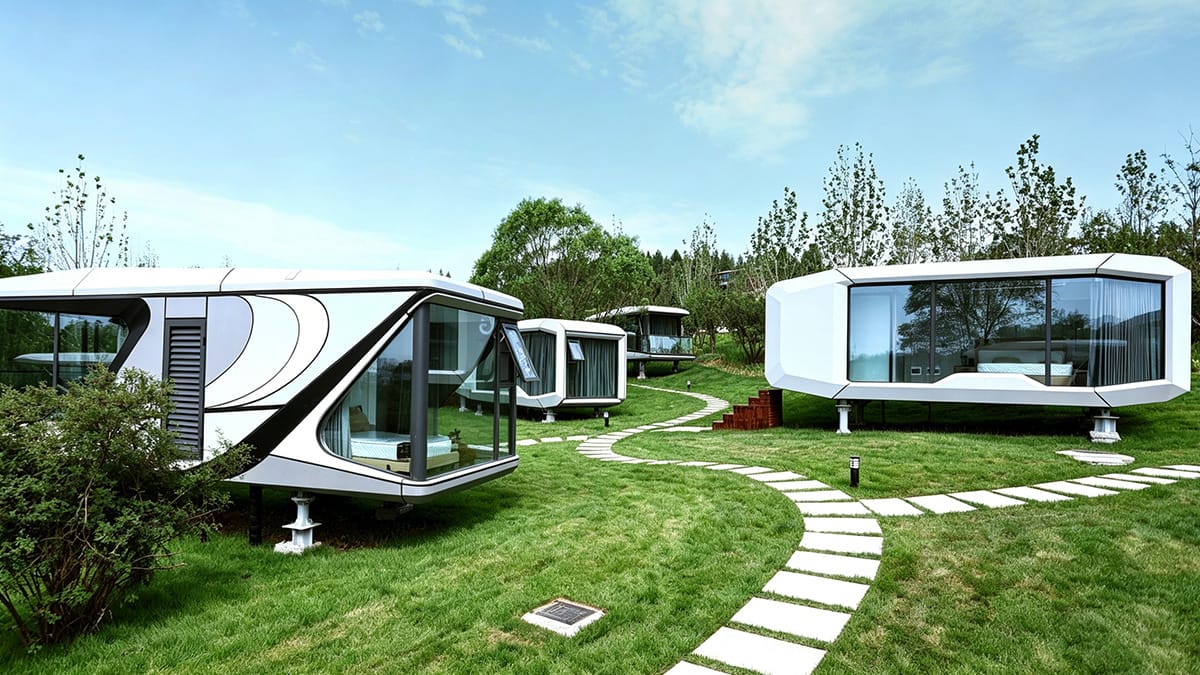
Prefab resort capsule houses are a favorite modular home choice. People use them for vacations or as cool glamping spots. These capsule houses give comfort and privacy in a small area. They fit well in many outdoor places.
Why Choose Modular for Resorts?
There are many good things about picking modular homes for your resort or campground. Modular homes go up fast, so you can have guests sooner. You also save money because they cost less to build and fix than regular buildings.
Here are some reasons why resorts and campsites pick modular homes:
Factories make each modular home with high quality.
You can set up modular homes fast, so you get guests sooner.
You can move or add more modular homes if you need to.
You spend less money on workers and repairs.
You help nature by making less waste and hurting the ground less.
Prefab resort capsule houses are special because they are flexible. You can use them as sleeping pods, private rooms, or in a glamping village. Many resorts now use prefab resort capsule houses to bring in guests who want something new and comfy. You can also use prefab resort capsule houses to make more rental money and give guests a special stay.
Tip: Prefab resort capsule houses come in many sizes and shapes. You can choose the best modular home for your land and your guests.
Types of Modular Housing
 Park Model Homes
 Park Model Homes
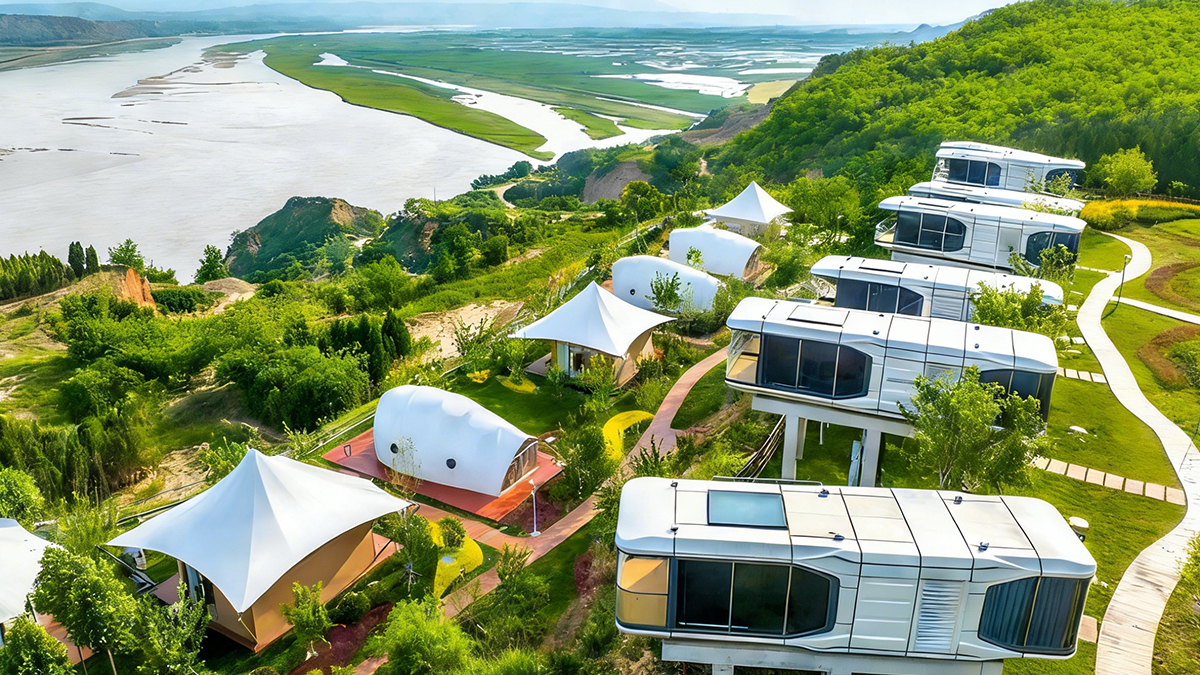
Park model homes are found at many resorts and campsites. These homes give you a warm place to stay. They cost less than regular houses. You can use them for short trips or longer stays. Park model homes fit in RV parks and campgrounds. They are simple to move and set up.
Here is a table that shows why park model homes are good for resorts and campsites:
Feature/Benefit | Description |
|---|---|
Affordability | Park model homes cost $50,000 to $130,000, much less than most houses. |
Minimal Maintenance | Small size means less cleaning and fixing, so you have more free time. |
Energy Efficiency | Small designs make utility bills 50-70% lower than regular homes. |
Flexibility in Location | You can put them in RV parks or campgrounds, so they work in many places. |
Investment Potential | You can earn $2,000-$4,000 each month by renting them in popular spots. |
Simplified Living | You keep fewer things and live simply, which makes life peaceful. |
Community Connection | They are often in places with shared spaces, so people can make friends. |
Reduced Environmental Footprint | They use less stuff and energy, so they help the planet. |
Park model homes have lots of good points. You spend less money and time on care. You also use fewer resources, which helps nature. Many guests like the simple life and meeting new people.
Modular Cabins for Vacation Rentals
Modular cabins are used for vacation rentals at many resorts. Families and travelers who care about nature like these cabins. You get a nice space that feels like home. The cabin design makes guests happy. You can set up cabins fast, so you meet market needs quickly.
Many people pick modular cabins because they are good for the planet and look cool. You can use them for vacations or group stays. The design lets you change the layout for your guests. You save time and money because you do not build from the ground up.
Prefab Resort Capsule Houses
Prefab resort capsule houses are good if you have little space. These houses work well in crowded places. You can set them up in one day or one week. This saves you time and money. The design uses windows and insulation that save energy, so you pay less for heating and cooling.
Here is a table that shows the main benefits of prefab resort capsule houses:
Advantage | Description |
|---|---|
You can build them very fast, sometimes in just one day or one week. | |
Sustainable and Energy-Efficient | They have special panels and windows that keep heat in and save energy. |
Flexible Use Scenarios | You can use them for vacations, offices, or shops. |
A Modern Lifestyle Choice | They show simple living and caring for the planet, which young people and digital nomads like. |
Prefab resort capsule houses use space really well. You can fit up to 30% more in the same area than regular apartments. These houses use smart tech for safety and comfort. You can move and change them easily, so they fit many needs.
Modular Homes for Glamping
Modular homes for glamping are found at fancy campsites. You can set them up fast. You do not wait long to start your business. The strong walls and insulation keep guests comfy all year. You can change the design to match your style or your guests’ wishes.
Here are some reasons why modular homes for glamping are smart:
You set up modular homes for glamping quickly and start hosting guests fast.
The strong build lets you use modular homes for glamping in any season.
You can pick the look and layout of modular homes for glamping to make a special guest experience.
The eco-friendly materials in modular homes for glamping attract guests who care about nature.
You give guests a unique and comfy stay. You also help the planet by picking a green option.
Glamping Tents and Yurts
Glamping tents and yurts are great for guests who want a fun outdoor stay. A yurt is a round tent with a wood frame and cloth cover. It has a ring in the middle that lets in light and lets guests see the stars. Many people like yurts because they feel close to nature and still have comfort.
Here is a list of popular glamping tents and yurts:
Yurt: A round tent with wood frame and cloth cover. It has a ring in the middle for light and stargazing.
Safari Tent: A big canvas tent with windows and doors. It often has a deck and furniture.
Bell Tent: A cone-shaped tent with one pole in the middle. It is easy to set up and move.
Dome Tent: A tent with a curved frame and lots of space inside. It works well for families or groups.
You can use these tents and yurts to make a cozy and fun stay for your guests.
Container and Mobile Units
Container and mobile units are good if you want strong and flexible homes. Shipping containers are made of steel, so they last in bad weather. You can change the inside by adding doors, outlets, or a kitchen. You cannot do this with regular tents.
Here are some reasons to pick container and mobile units:
Weatherproof: The steel frame keeps guests safe in any weather.
Easy to Customize: You can add things like kitchens or bathrooms.
Cost-effective: You spend less money than building a regular house.
Portable: You can move the units to a new spot when you need to.
You get a strong and cheap solution for your resort or campground. You can also change or move the units as your needs change.
Key Features and Benefits
Fast Installation
 Fast Installation
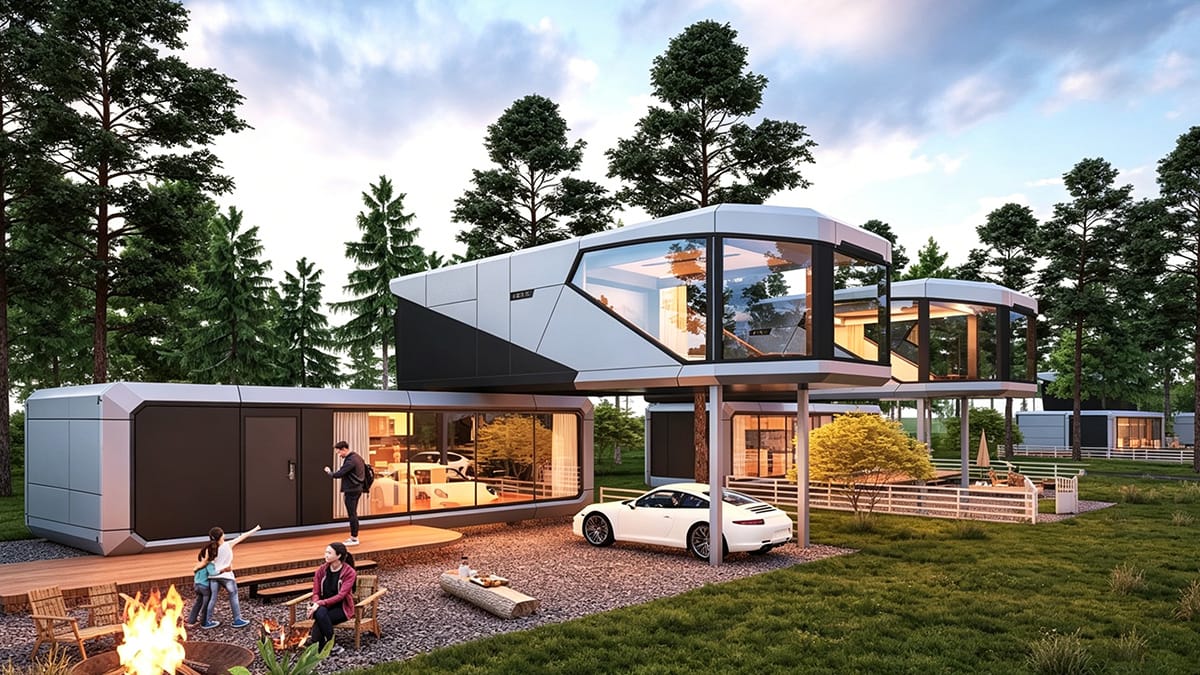
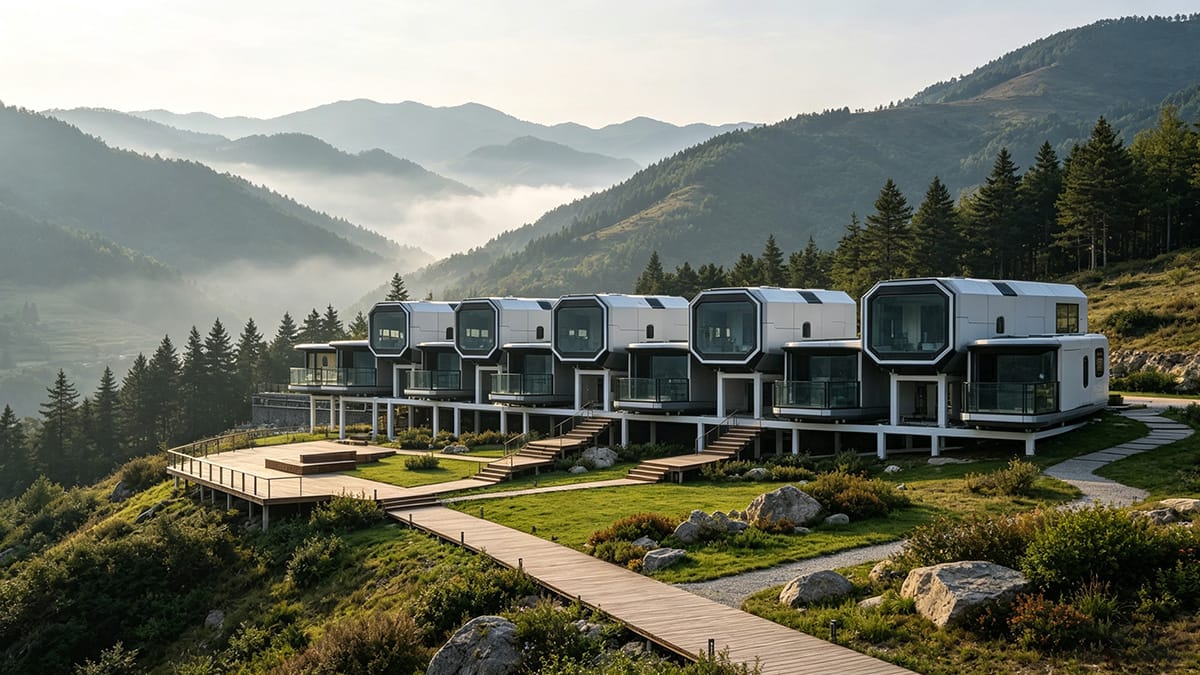
Modular glamping solutions are set up much faster than regular buildings. Workers get the site ready while factories build the modules. This makes installation finish 30% to 50% quicker. You can welcome guests sooner and react to changes in the market. After World War II, people liked modular construction because it was fast and saved money. The foundation is made at your campground while the modular units come ready to put together. This saves time and causes less disruption.
Flexibility and Expansion
Modular housing gives you flexibility. You can add or remove units when you need to. Resorts can grow during busy times without starting from scratch. For example, a mountain resort added a modular kitchen in weeks, not months. This helped them serve more guests. You can change guest spaces and use modular glamping solutions for vacations or group stays. This helps your business grow quickly.
Durability and Comfort
Modular homes are strong and comfortable for outdoor stays. With good care, these homes can last up to 100 years. Builders use materials that fight UV rays, rot, corrosion, and termites. Features like shading overhangs, ridge vents, and narrow floor plates keep the inside cool. Modular housing stands up to hurricanes and storm surges. This makes it reliable in different climates. Guests feel safe and cozy.
Eco-Friendly Options
You can pick eco-friendly materials and technologies for modular housing. Bamboo, structural insulated panels, and flat pack homes help cut waste and support sustainability. Solar panels and rainwater systems lower energy and water use. Modular homes use green materials and make less waste during building. You can match the look of your site and help the planet by choosing energy-efficient designs.
Tip: Eco-friendly modular homes bring in guests who care about nature and want a green vacation.
Guest Experience for Vacation and Glamping
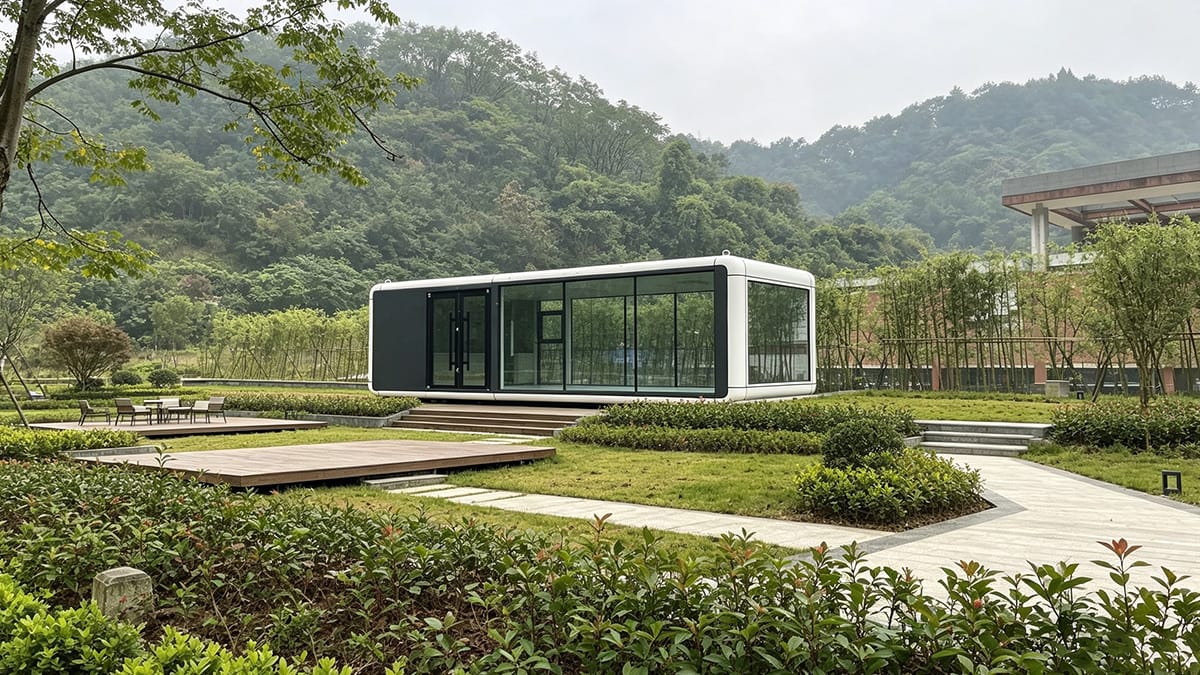
Guests enjoy stylish places and designs they can change. Modular homes have modern looks and big windows that connect guests to nature. You offer eco-friendly choices and quick setup, which keeps the environment safe. Modular glamping solutions give luxury features like smart climate control and large windows. Guests feel comfortable and safe, even in bad weather. You create fun and cozy outdoor stays that make guests want to return.
Feature/Benefit | Description |
|---|---|
Easy assembly and disassembly | Modular units go up or come down quickly for mobile lodging. |
On-site dining and kitchen | Guests get healthy meals and convenience. |
Recreational spaces | Relaxing and activities make guest stays better. |
Essential utilities | Electricity and heating keep guests comfortable. |
Health and safety features | Fire safety and medical help protect guests. |
Community-building spaces | Social areas help guests make friends. |
Installation and Site Prep
Site Assessment
 Site Assessment
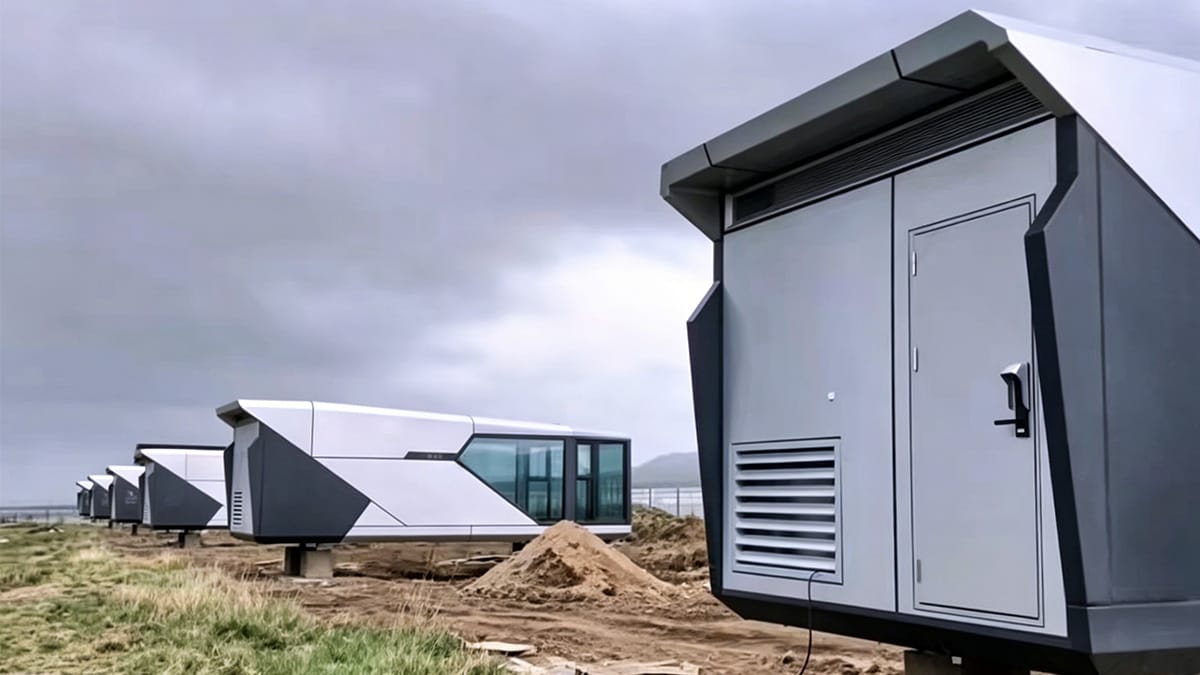
First, you check your site before you start. You look at the ground to see if it is flat. You check if trucks can get in and out. Cranes must be able to reach the spot. If the ground is soft or bumpy, you may need special foundations. You also think about the weather. Bad weather can change how you build and anchor your units. You want your campground to be safe and last a long time.
Requirement | Description |
|---|---|
Accessibility | |
Soil type and terrain | Soft or uneven ground may need reinforced foundations or piling systems. |
Climate | Extreme weather conditions affect insulation, roofing, and anchoring needs. |
Proximity to essential services impacts installation complexity and cost. |
Utilities and Foundations
You need water, power, and waste systems for your site. You check how close these services are. If they are far away, you may need extra work. You pick the best foundation for your modular units. Some places need concrete pads. Other places need piling systems for soft ground. You want guests to have good water and power.
Delivery and Setup
Bringing in modular units can be hard. Small roads and steep hills make it tough. Weather can change fast and slow things down. You plan your route so trucks can get through. You check bridges and road slopes. Sometimes you need permits and escort cars. You want your modular units to arrive safely.
Small, twisty roads can stop big trucks.
Steep hills make it hard for trucks to drive.
Bad weather can slow down delivery and setup.
Hard-to-reach places take longer to install.
Nature rules may mean you do extra work.
Challenge Type | Description |
|---|---|
Dimensional Sensitivity | Width and height restrictions can limit viable routes, especially in urban areas with overhead power lines and tight intersections. |
Structural Stress | Modular buildings are designed for installation, not for transport; improper securement can lead to damage that may not be immediately visible. |
Environmental Exposure | Large surfaces increase wind resistance, and weather conditions can affect transport safety. |
Route Planning | Proper route analysis is crucial, considering bridge capacities and road grades; seasonal restrictions can complicate planning. |
Permits and Escort Vehicles | Transporting oversized modular buildings requires permits and escort vehicles, which vary by province and can cause delays if not managed properly. |
Navigating Difficult Terrain | Access roads may be narrow or unpaved, and staging areas can be limited, complicating delivery to remote sites. |
Customization Options
You can choose many ways to change your modular units. You can pick pods for sleeping, working, or glamping. You can add kitchen or bathroom pods for more comfort. You can use service pods for big resorts. You match your units to your land and what guests want.
Customization Type | Description |
|---|---|
Specialized Pods | Designed for specific functions, ideal for resorts and campsites. |
Office Pods | Private workspaces that can be set up in various locations, including resorts. |
Sleeping Pods | Compact spaces for short-term rest, suitable for campsites and resorts. |
Glamping Pods | Luxury outdoor accommodations with essential amenities, perfect for eco-resorts. |
Toilet & Shower Pods | Standalone bathroom units that enhance glamping sites and temporary housing. |
Kitchen Pods | Fully equipped kitchens for outdoor dining or events at resorts. |
Bathroom Pods | Pre-built bathrooms for campsites and modular housing complexes. |
Custom Modular Service Pods | Scalable solutions for resorts and large developers needing durable support structures. |
Tip: You can mix different pods to make a special stay for your guests.
Costs and Investment
Upfront and Ongoing Costs
 Upfront and Ongoing Costs
You should know the costs before starting a modular project. Upfront costs pay for guest spaces, fun areas, and startup needs. Ongoing costs are for repairs, power, and water bills. The table below shows the usual price ranges:
Item/Service | Cost Range |
|---|---|
Guest facilities (restrooms, etc.) | $150 – $350 per sq. ft. |
Amenities (playgrounds, pools) | $25,000 – $500,000 each |
Check-in office/store | $20,000 – $80,000 |
Basic startup costs | $30,000 – $50,000+ |
No-frills campground budget | $250,000 – $500,000 |
Destination park budget | $1,000,000+ |
A fancy vacation spot costs more money. A simple campground is cheaper. You need to plan for fixing things and making upgrades as you grow.
Tip: Pick energy-saving modular units and green materials to save money over time.
Financing Modular Projects
There are many ways to pay for your modular project. Banks give loans if you have good credit. You can use personal loans for small projects. RV loans help with mobile buildings. SBA loans are for small businesses but need more forms. Commercial real estate loans are for fixing up property. Equipment financing uses movable things as backup. Some sellers let you pay them directly, which is easier for buyers. The table below lists common choices:
Financing Option | Description |
|---|---|
Traditional Bank Loans | Need good credit and backup; rates are good but hard for small businesses. |
Personal Loans | No backup needed; interest rates change based on your credit; pay back faster. |
RV Loans | For mobile buildings; pay back over more years; may need a down payment. |
SBA Loans | Backed by the SBA; good terms but lots of paperwork. |
Commercial Real Estate Loans | Use property as backup; good for fixing up land or buildings. |
Equipment Financing | Movable things are backup; includes chattel mortgages. |
Credit Cards | High interest; not good for big costs unless you can pay it back soon. |
In-House Financing | Seller lets you pay them directly; often easier to get. |
Note: Always check interest rates and payback rules before picking a loan.
ROI for Resorts and Campsites
You want your money to bring in more money. Modular housing helps you earn fast because you can welcome guests sooner. You make money from rentals, parties, and group stays. Many resorts earn more when they use modular homes for glamping or vacations. You can grow your business with less risk. Modular housing lets you add more homes as more people visit. You keep costs down and bring in more guests with cool designs and flexible spaces. This helps you build a strong business for the future.
Comparing Modular and Traditional Options
Modular vs. Traditional Builds
When you pick how to build your campground or resort, you want to see how modular construction compares to traditional ways. Modular building lets you finish projects much faster. Most work happens in a factory, so you save money on workers. Guests can stay sooner, so you start making money faster. Traditional construction takes more time and costs more because workers build everything at the site.
Here is a table to help you compare:
Aspect | Modular Construction | Traditional Construction |
|---|---|---|
Project Timeline | Longer timelines due to sequential work | |
Labor Costs | 80% reduction in on-site labor costs | Higher labor costs due to extended timelines |
Guest Satisfaction | Enhanced due to quicker occupancy | Potential delays can lower satisfaction |
Note: If you set up faster, you can open your vacation rentals sooner and keep guests happy.
Modular vs. Mobile and RV Units
You might think about using mobile or RV units instead. Mobile units are easy to move, but they do not have the comfort and style guests want. Modular homes give you more space and better insulation. They feel like real homes. You can design modular units to match your brand and add things like kitchens or bathrooms. RV units work for short stays, but modular homes attract guests who want to stay longer and be more comfortable.
Modular homes protect guests from bad weather better.
You can change modular units to fit different guest needs.
RV units may need more repairs as time goes on.
Modular vs. Permanent Structures
You may also compare modular buildings to permanent structures. Modular cabins last a long time and need less fixing than canvas tents or old buildings. Hard-walled modular cabins can last over 50 years with simple care. Canvas tents need cleaning and repairs every year. If you want something that lasts for your campground, modular cabins are a strong and lasting choice.
Here is a table that shows the difference:
Feature | Premium Canvas Tents | Hard-Walled Modular Cabins |
|---|---|---|
Expected Lifespan (Structure) | 15-25 years (Frame), 8-15 years (Canvas) | |
Annual Maintenance | High: Canvas cleaning, waterproofing, tensioning, and mold checks | Low: Standard building maintenance; minimal structural upkeep required |
Tip: Modular cabins are a lasting and easy-to-care-for choice for your resort or campground.
Limitations and Considerations
Zoning and Regulations
 Zoning and Regulations
You need to check the rules in your area before adding modular housing. Zoning laws and regulations are different in each place. Some places call park models permanent homes, but others say they are RVs. You must find out if your land allows short or long stays. The table below shows some rules you might have:
Regulation Type | Description |
|---|---|
Federal Regulations | Guidelines set by HUD regarding size restrictions, construction standards, and labeling. |
State and Local Regulations | Vary by location; include size limitations, parking requirements, and land use permissions. |
Zoning Laws | Determine if park models are classified as permanent residences, RVs, or manufactured homes. |
RV Parks and Campgrounds | Specific regulations on length of stay, occupancy limits, and placement of park models. |
Manufactured Home Communities | May allow park models if classified as manufactured homes; check local zoning laws. |
Note: Always talk to your local planning office before you begin. This helps you avoid expensive mistakes.
Transport and Access
Getting modular units to your site can be tough. Many units are big and heavy. You might need special permits or different roads. Some roads have low bridges or sharp turns. You must plan your route with care. Here are some common transport problems:
Size and weight rules may mean you need permits.
Narrow roads and low bridges can block trucks.
Each state has its own transport rules.
Bad weather and wind can slow or stop delivery.
Good route planning helps you avoid delays. You should check bridge limits, road width, and wires before moving units. Bad planning can slow down your whole project.
Design and Custom Limits
You can choose many styles for your modular home, but there are limits. Local rules may control the size, color, or shape of your buildings. Some places do not allow certain designs. You may not get every feature you want in a small space. Custom changes can cost more and take longer. You should balance your dream design with what is allowed and what you can afford. If you want your vacation spot to stand out, talk to your builder about what is possible and what is not.
Choosing the Right Modular Solution
Assessing Site and Guest Needs
You start by looking at your site and thinking about your guests. Walk around your campground and notice the land. Check if the ground is flat or hilly. Look for trees, water, and places where you can build. Ask yourself what guests want. Some guests like privacy. Others want group spaces. You can use a table to help you decide:
Guest Type | Needs | Best Modular Option |
|---|---|---|
Families | Space, safety | Modular cabins |
Couples | Privacy, comfort | |
Groups | Shared areas | Dormitories |
Glamping Fans | Unique, eco-friendly | Glamping tents, yurts |
You match your modular choice to your site and guest needs. This helps you create a better vacation experience.
Working with Suppliers
You need to talk to suppliers who know modular housing. Ask them about delivery times and setup. Find out what materials they use. Good suppliers answer your questions and help you pick the right solution. Make a list of what you want. Share your ideas with the supplier. You can ask for changes or special features. Suppliers can show you pictures or plans. You check reviews and ask other campground owners for advice.
Tip: Always ask for a clear price and timeline before you sign a contract.
Planning for Future Growth
You plan for the future by thinking about how your business can grow. You can add more units when you get more guests. Choose modular designs that let you expand easily. Make sure your site has space for new buildings. You can change layouts or add new features. Keep your plans flexible. This helps you stay ready for new trends and guest needs.
Note: A good modular solution lets you grow your campground without big changes or high costs.
You can boost your campground by choosing a modular solution. This option gives you fast setup, easy growth, and comfort for every vacation or glamping guest. Start by looking at your land and what your guests want. Talk with experts to find the best fit. You can shape the future of outdoor stays with smart planning and the right choices.
FAQ
What is modular housing in resorts?
You see modular housing as buildings made in a factory. Workers bring these buildings to your site. You get fast setup and strong structures. This method helps you save time and money.
How do I choose the right modular solution for my campground?
You start by looking at your land and guest needs. You talk with experts about your goals. You pick a solution that fits your budget and future plans. This helps your campground grow.
Are modular units good for vacation rentals?
You can use modular units for vacation rentals. These units give guests comfort and style. You set them up quickly and start earning money sooner. Guests enjoy a modern stay.
What are the main benefits of modular housing for campgrounds?
You get fast installation, easy expansion, and lower costs. Modular housing lets you change your campground as guest needs change. You also help the environment with less waste.