
26 Mar Step by Step Guide to Buying Resort Capsule Houses in 2026
You want to make smart decisions when investing in Resort Capsule Houses. These innovative units attract both guests and investors. The projected market size for capsule apartments in 2026 will reach USD 3832.47 million. Experts expect an 8.9% CAGR from 2026 to 2035. A clear guide helps you avoid mistakes and choose the right resort capsule houses for your project. Focus on each step to secure value and long-term success.
Key Takeaways
Look at the market and see why more people want resort capsule houses. This helps you make smart choices when you invest.
Pick materials that are good for the environment and save energy. This brings in more guests and lowers your costs.
Look at local zoning laws and building codes before you buy. This stops legal problems that could slow down your project.
Pick suppliers you can trust and who have good reviews. This makes sure your capsule houses are good quality and arrive on time.
Make a budget and include all extra costs. This helps you not get surprised by money problems and keeps you on track.
Resort Capsule Houses Overview
What Are Resort Capsule Houses?
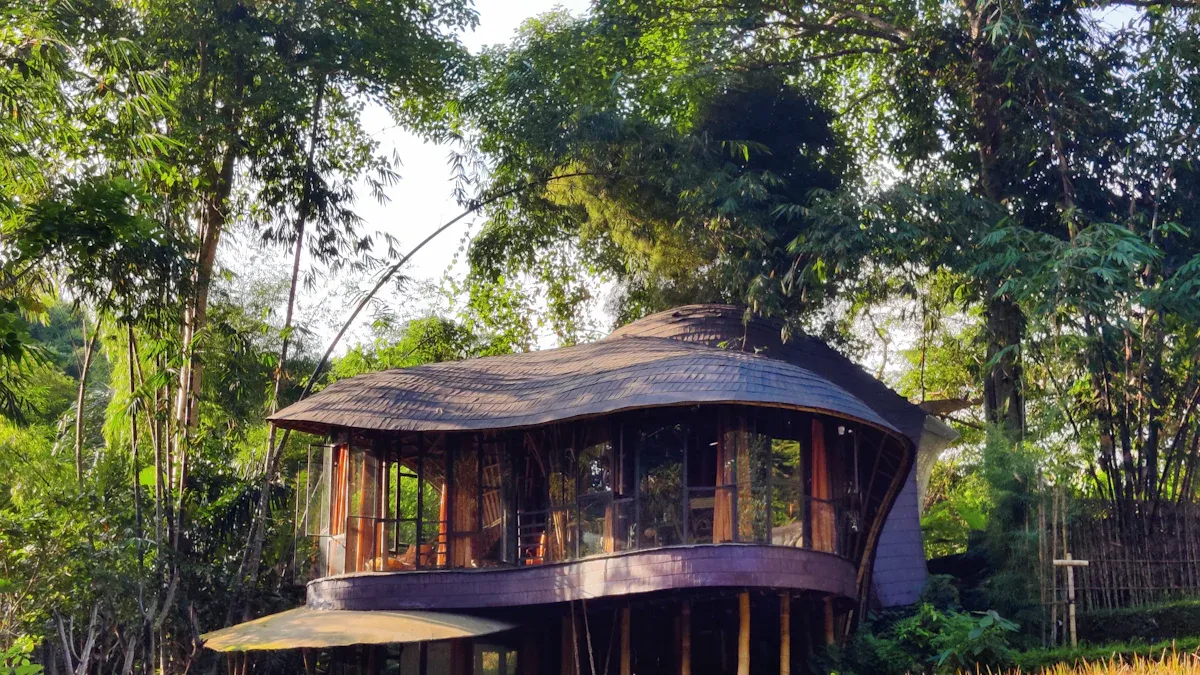
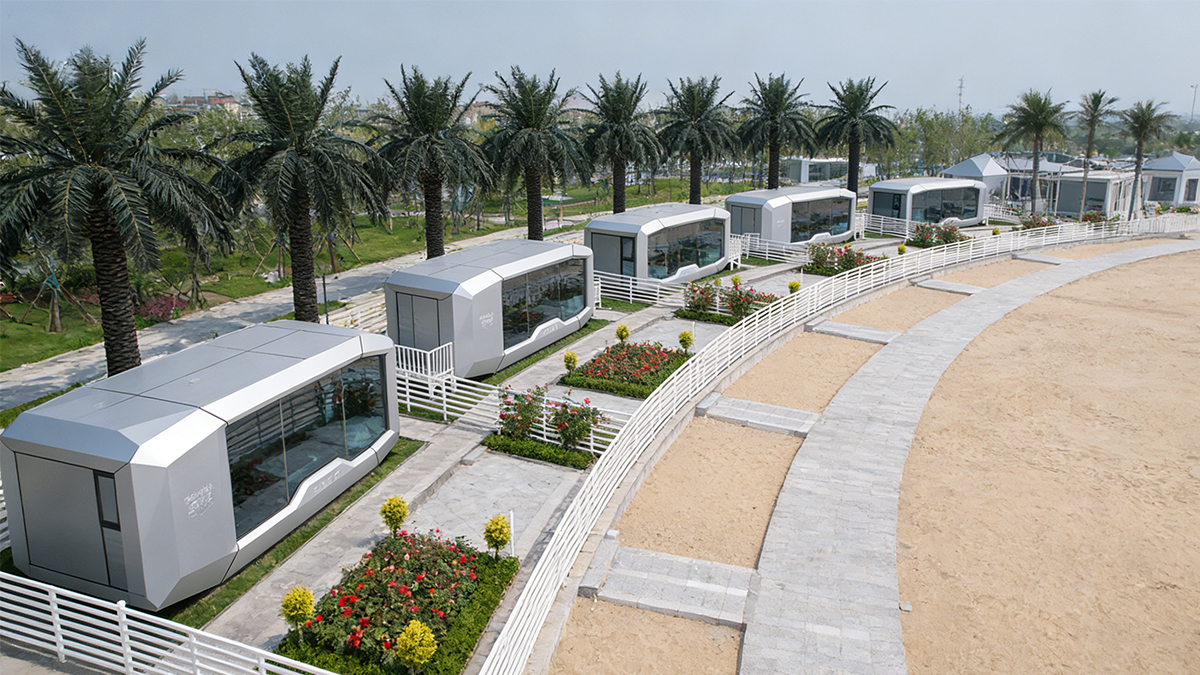
You might ask how resort capsule houses are not like regular hotels. These units use a modular design. This means you can build them fast. You can also move them if you want to change the spot. Resort capsule houses care about the environment. Builders use green materials and energy-saving systems. This helps protect nature. These houses give guests special experiences. Shared spaces help people meet each other. This does not happen much in normal hotel rooms.
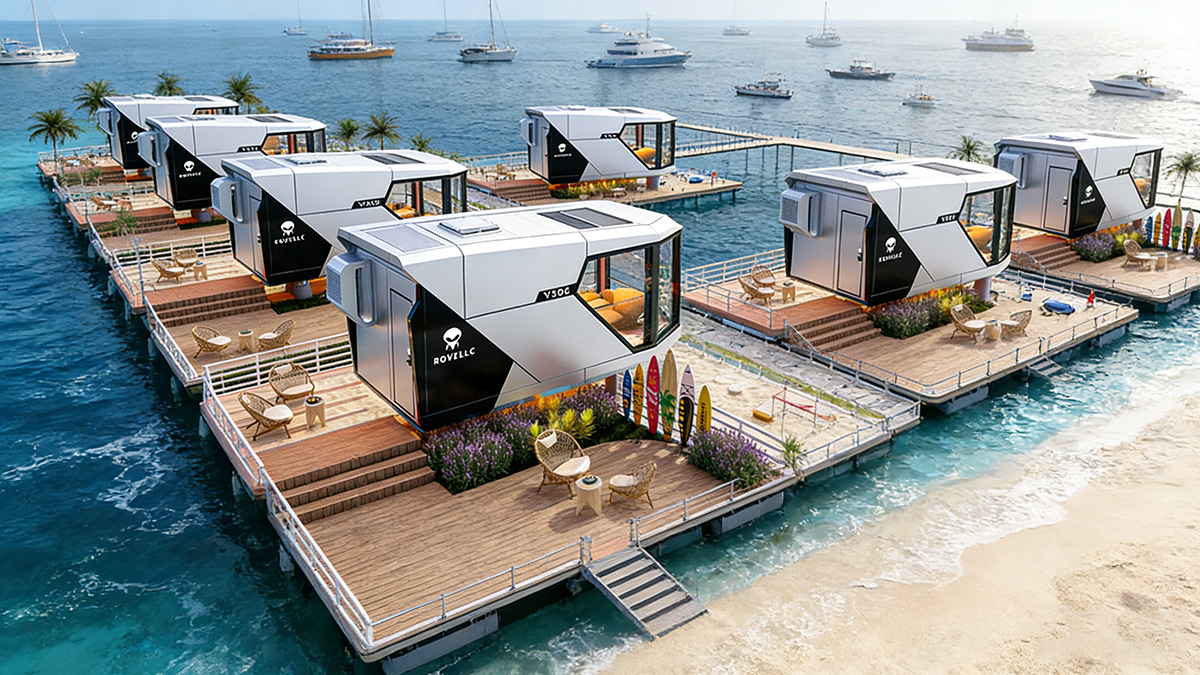
Resort capsule houses fit many places. You can use them for luxury glamping retreats. Here, guests want to be comfy in nature. They also work for boutique hotels that want to be different. Many Airbnb hosts pick resort capsule houses. Travelers want cool and new places to stay. These units often make more money each night. Owners get their money back fast. You can use them for emergencies, festivals, or for workers who stay for a short time. They are easy to set up, so they are good for quick needs.
Key Benefits for Resorts
If you add resort capsule houses to your property, you get many good things. The table below shows the main benefits for owners and guests:
Benefit Type | Description |
|---|---|
Enhanced Visibility | You get more guests because you stand out on travel sites. |
Smart Technology Integration | You make guests happier and save money with smart tools. |
Flexible Unit Models | You can grow or change your resort easily with modular units. |
Sustainability | You attract eco-friendly travelers and spend less to run your resort. |
Strong ROI | You can earn 15-25% more each year and get your money back in 3-5 years. |
Case Studies | Resorts say they get more bookings and guests come back after adding capsule houses. |
You also save time and money when building. Resort capsule houses let you open your business sooner. This means you start making money faster. Guests are often happier with these units than with regular cabins. You can pick the best spot for each unit. This helps you make a special resort layout and guest flow.
Capsule House Guide: Key Factors to Consider
Location and Zoning
You need to look at the location and zoning rules first. Many resort areas have special laws for capsule houses. Some places let you put temporary units on private land without a permit. Permanent units usually need approval from the city or county. Building codes might call your unit an accessory dwelling, so you must follow safety rules. If you want to build near a natural reserve or on public land, you will need strict permits. This capsule house guide helps you avoid legal problems that can slow down your project.
Private property: Temporary use may not need permits.
Permanent or rental use: Approval is usually required.
Building codes: Safety and standards apply.
Natural reserves: Permits are a must.
Materials and Durability
The capsule house guide says to pick materials that fit your weather and guest needs. Galvanized steel frames last a long time and do not burn, rot, or get bugs. High-density composite panels are strong and light to move. Wood feels warm and cozy but needs care to last. Concrete is good for tough weather. Glass lets in sunlight but can lose heat if it is not high quality. Advanced composites keep heat in and save energy. If you take care of your capsule house, it can last over 30 years. Some main parts can last more than 50 years.
Energy Efficiency Features
You want your resort to save money and help the earth. The capsule house guide says to use solar panels, batteries, and smart energy systems. These features lower energy use and cut bills. Good insulation keeps the units warm or cool. Capsule houses use about 65% less energy than normal buildings. Smart tech and green materials make them even better for the planet.
Solar panels and batteries
Automated lighting and thermostats
Insulated walls and floors
Installation and Layout Planning
Fast setup is a big plus for capsule houses. Some makers can build a unit in 1–3 days. Others need up to 30 days. Plan your layout for comfort and easy movement. A smart layout fits sleeping, cooking, and bathing in a small space. This capsule house guide helps you design for both use and style. Use green materials for a modern look and feel.
Manufacturer | Timeline per unit | Delivery Cycle |
|---|---|---|
Capsule Castle | 1–3 days | 45–60 days |
Competitors | 10–30 days | 80–100+ days |
Budgeting and Total Costs
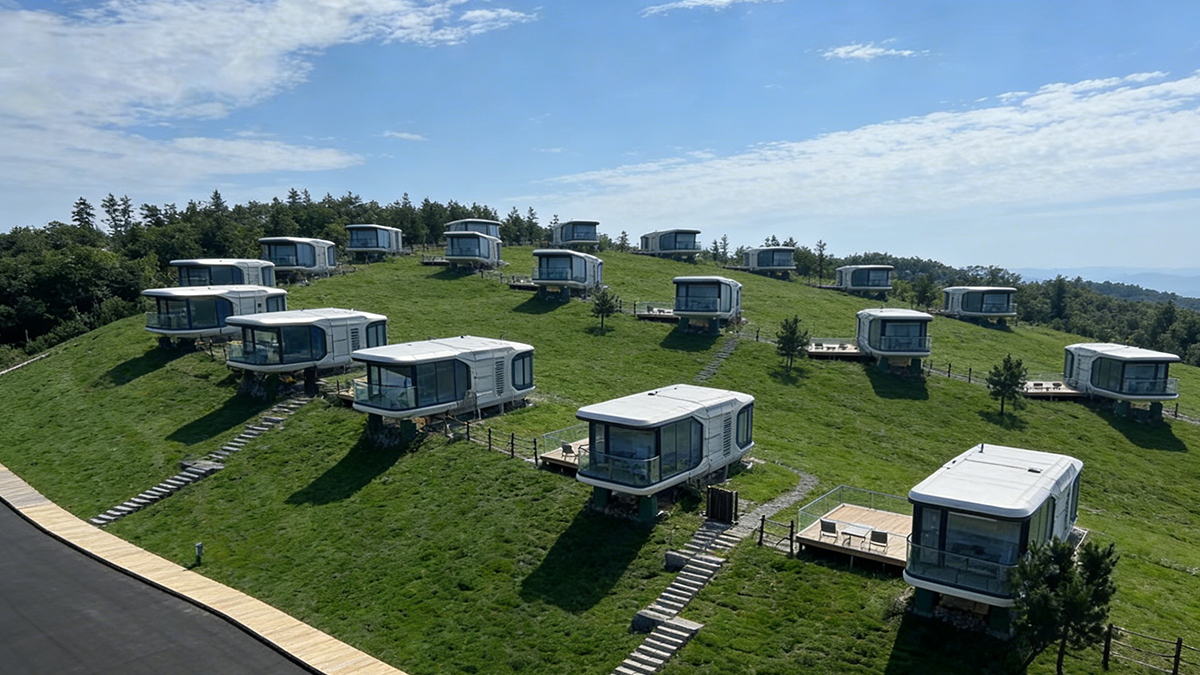
You need to plan your budget with care. The capsule house guide says base models cost $20,000–$40,000. Fancy units can cost over $100,000. Add 15–30% for shipping and setup. You also pay for site work, utility hookups, and permits. Hidden costs include trucking, crane rental, and insurance. Energy-saving features may cost more at first but save money later. Good loans can help you pay for your house. Always check the rules and laws before you buy.
Tip: Make a checklist of all costs and legal steps before you start. This capsule house guide helps you stay on track and reach your goals.
Capsule House Buying Steps
Researching Suppliers
You begin by looking for a trusted seller. This step is important. It affects quality and delivery. It also affects support. Many buyers want suppliers with good history. Check if they deliver on time. Read reviews from other people. Virtual factory audits let you see how they work. Ask for inspections before shipping. Make sure the units are good. Test one unit before buying many. Clear shipping rules help you avoid problems.
Some trusted suppliers in 2026 are:
Capsule Castle: Builds fast and has new designs.
GLAMNI: Has over 13 years making capsule houses.
VOLFERDA Industry Limited: Works with big companies and tourism housing.
LUBAN CABIN: Gives clear prices and owns many patents.
SUNJ House: Has government-approved quality and makes many units.
Tip: Always check if you talk to the maker. Middlemen can cause problems with quality and price.
Comparing Models and Designs
You should look at different models and designs. Each model fits a special place and guest need. Mountain resorts need strong insulation. Coastal resorts need materials that do not rust. Eco-resorts use green materials to help nature.
Here is a table to compare popular types:
Feature | Outdoor Space Capsule | Standard Prefab Tiny Home | Container/Pod Tiny House |
|---|---|---|---|
Design | Futuristic, capsule look | Cabin or modern box | Modular pod design |
Structure | Steel + aluminum shell | Wood, steel, or SIPs | Steel/composite |
Energy Efficiency | High insulation | Varies | Moderate, upgrades possible |
Typical Use Cases | Residential/commercial pods | Guest houses | Airbnb, backyard, recreation |
Installation Speed | Days | Weeks to months | Days |
In 2026, more people want capsule places. Travelers like eco-friendly choices. About 30% of guests want green features. Big windows and sunlight are popular. They help guests feel close to nature.
Financing and Budget Planning
Buying a capsule house needs careful cost planning. You have many ways to pay. Buyers use loans, payment plans, or leasing. Most lenders want 20% to 30% down. Construction loans last 6 to 24 months.
Plan your budget for the unit, shipping, site work, permits, and setup. Do not forget hidden costs like trucking and crane rental. Insurance is also needed. Energy-saving features cost more at first but save money later. Good planning helps you keep costs low and avoid surprises.
Note: Always compare ways to pay and plan for each step. This helps you control costs and reach your goals.
Legal and Regulatory Checks
Legal checks are very important when buying capsule houses. You must know the rules before you install any unit. Capsule homes fit into three legal groups: RVs, ADUs, or Modular Construction. Each group has its own zoning and safety rules.
Requirement Type | Description |
|---|---|
Legal Categories | RV, ADU, or Modular Construction. Each has unique zoning and safety standards. |
Zoning Laws | Check if ADUs are allowed. Units must be 5–10 feet from property lines. |
Foundation Type | Choose permanent for ADUs or temporary for RVs. |
Building Permits | ADUs need a permanent foundation and permits. |
Utility Connections | ADUs require hardwired electricity, sewer lines, and proper insulation. |
Common legal problems include unclear supplier links and bad communication. Not following U.S. rules can cost extra money. You may need upgrades like strong glass and locks. Shipping can add risk and costs.
Installation and Maintenance
After legal steps, you install and care for your unit. Fast installation is a big plus. Some units go up in a few days. Plan the layout for safety and comfort. Make sure you use space well and keep paths clear.
Maintenance keeps your investment safe and guests happy. Here are some best tips:
Treat wood with oil or sealant every 1–2 years.
Clean metal every 3–6 months and check for rust.
Reseal concrete bases every 2–3 years.
Check seals and gaskets each year.
Clean or change ventilation filters every 3 months.
Look for gaps in insulation and fix them.
Watch for leaks and insulate pipes in cold places.
Have an electrician check electrical systems.
Check welds and beams for cracks.
Get professional inspections two times a year.
Callout: Good care lowers costs and keeps your capsule house safe for guests.
Buying a capsule house works best when you follow each step. You protect your investment, control costs, and give guests a great stay.
Buyer’s Guide: Choosing Suppliers
Checking Credentials and Reviews
 Checking Credentials and Reviews
You must check supplier credentials before buying. Reliable suppliers show certifications for quality and safety. These certifications are important:
Certification | Description |
|---|---|
ISO 9001 | Quality management systems |
EN 1090 | Structural safety for steel components (mandatory for EU markets) |
CE Marking | Conformity with European health, safety, and environmental standards |
ICC-ES Evaluation Reports | Required for seismic and wind resistance in North American projects |
CPR Certification | Construction Products Regulation compliance for fire performance in Europe |
You should also check for fire resistance and insulation. Make sure the unit can hold weight and block noise. User reviews show what other resort owners think. Good ratings make a supplier look better. Reviews tell you if the supplier is reliable and gives good service.
Fire Resistance: EN 13501 certification (minimum Class B-s1, d0 rating)
Thermal Insulation: R-values ≥ 4.0 m²·K/W for energy-efficient designs
Load-Bearing Capacity: ≥150kg/m² static load for residential/commercial use
Acoustic Performance: Sound transmission class (STC) ≥ 35 dB
Assessing Support and Warranties
You want strong support and clear warranties from your supplier. Good support means you get help with delivery and setup. You also get help after you buy. Ask about how long the warranty lasts and what it covers. Some suppliers give two-year warranties. Others cover up to ten years. Make sure the warranty covers structure, insulation, and electrical systems. Ask for a written warranty before paying. Reliable suppliers answer questions fast and help fix problems.
Tip: Always keep records of your warranty and support agreements. This protects you if issues arise.
Avoiding Common Pitfalls
You can avoid mistakes by following the buyer’s guide. Many buyers face hidden costs and zoning rules. Some deal with unreliable suppliers. Watch for extra fees like transport and site work. Check local zoning laws for permits or inspections. Make sure your supplier has a good reputation.
Here is a table to help you avoid costly mistakes:
Selection Factor | Best Practices | Common Mistakes to Avoid |
|---|---|---|
Budget | Include all hidden costs (delivery, utilities, permits) | Underestimating total project cost by 30%+ |
Design | Match style to landscape and intended use | Choosing aesthetics over functionality |
Location | Select climate-appropriate insulation and orientation | Ignoring sun path, wind direction, or drainage |
Eco-Friendliness | Integrate solar, water-saving fixtures, and green roofs | Assuming all “capsule” homes are automatically sustainable |
Usage | Right-size the unit for target occupants | Overcrowding small spaces or underutilizing large ones |
You can use this buyer’s guide to make smart choices. Careful planning helps you avoid common mistakes. You will enjoy a smooth buying process.
You have learned the main steps to buy resort capsule houses. Look at your location and what materials you need. Think about energy features and how much you can spend. Find good suppliers and look at different models. Make sure you know the legal rules. Plan how you will set up and take care of your house. Begin your research now. Talk to suppliers with good reviews and helpful support.
Get our free checklist or ask an expert for help. This is your first step to a great capsule house project.
FAQ
What makes resort capsule houses a unique housing option?
You get a unique housing option with resort capsule houses. These units use smart design to maximize space. You enjoy privacy and comfort. The guide shows how these homes stand out from regular hotels or micro-homes or tiny houses.
How does the guide help you plan for space and energy needs?
The guide helps you measure space for sleeping, cooking, and relaxing. You learn how to use every inch. The guide also explains how to add energy-saving features. You can lower energy bills and improve comfort for guests.
What is the typical price range for resort capsule houses?
You find the price range in the guide. Most units cost between $20,000 and $100,000. The guide helps you compare models. You see what you get for your money. You can plan your budget for space, energy, and installation.
Why is sustainability important in this guide?
Sustainability matters for your guests and the planet. The guide teaches you how to choose green materials and energy systems. You learn how to save energy and water. You also attract guests who care about sustainability and eco-friendliness.
Do you need to check local zoning laws before buying?
You must check local zoning laws before you buy. The guide explains why this step is important. You avoid legal problems. You make sure your space meets all rules. You protect your investment and keep your project on track.