
06 Mar Space Capsule Houses Are They Right for Your Lifestyle
Are you wondering about the space capsule house pro and cons and if a space capsule house is right for your lifestyle? Many people are curious about these unique homes. In fact, about 73% of Americans believe tiny homes are smart choices, which shows a growing interest in creative living solutions, especially in urban areas. If you’re searching for an affordable, eco-friendly, and flexible place to live, a space capsule house might be a great option. However, there are some space capsule house pro and cons to consider—such as families needing more space or privacy. Check out the main space capsule house pro and cons below:
Advantages | Disadvantages |
|---|---|
Affordability | Lack of Privacy |
Space Optimization | Resale Value |
Mobility | Limited Customization |
Eco-Friendly | Space Constraints |
Carefully weigh your needs and the potential challenges before deciding if a space capsule house is the best fit for you.
Key Takeaways
Capsule houses cost less than regular homes. They are a good choice for people who want to save money.
These homes help people live with less stuff. They make you keep only what you need and help you live in a green way.
Capsule houses use space well. They have smart places to store things and furniture that does more than one job.
Think about how much comfort and privacy you want before picking a capsule house. Capsule houses may not work for big families or people who want lots of space.
Look up rules in your area and check what is popular. This helps you know if a capsule house fits your life and if you can sell it later.
Who Should Choose a Space Capsule House
Best Lifestyles for Capsule House Living
Do you like living with fewer things? If you feel happy in a neat space, a capsule house could be great for you. Many people who pick capsule homes like a simple lifestyle. You keep only what you need and get rid of extra stuff. You also care about nature and want to help the planet.
Here are some clues that capsule house living matches you:
You think about your space needs and feel fine in small places.
You care about the Earth and want to live green.
You like smart ways to store things and use space well.
You sort your stuff often and use digital tools to stay simple.
You can live with less and adjust easily.
Check out this table to see if your lifestyle is like most capsule house owners:
Characteristic | Description |
|---|---|
Sustainability | You want to live green and help the planet. |
Minimalism | You own fewer things and keep only what you need. |
Efficient Use of Space | You use smart storage and layouts to use every bit of space. |
Capsule homes often have furniture that does more than one job. They use smart layouts and light colors. Big windows help you see outside and feel less closed in. These choices make small rooms seem bigger and brighter.
Who May Struggle With Capsule House Life
Capsule house living does not work for everyone. If you need lots of privacy or have a large family, you may have problems with capsule houses. You might find small spaces and noise tough to handle. Some people do not like having little personal space.
Here’s a table with common problems and ways to fix them:
Challenge | Solution |
|---|---|
Limited Space | Open layouts, built-in furniture |
Privacy Concerns | Soundproof walls, thick materials |
Noise Bleed | Room dividers, test sound levels |
If you need space for hobbies, work, or family time, capsule homes may not work for you. You might also have trouble if you do not like sorting your things or living with less. Capsule house living is best for people who like simple living and solving problems in creative ways.
Space Capsule House Pro and Cons
 If you want to live in a capsule house, you should know the real space capsule house pro and cons. Let’s look at the main good and bad points so you can see if this small home fits your life.
Capsule House Pros: Affordability, Flexibility
Capsule houses are cheaper and easy to change. If you want a home that costs less and looks modern, these might be for you. Here are reasons people pick capsule houses:
Affordability: Capsule houses cost much less than regular homes. You can buy one for $20,000 to $30,000. A regular home of the same size costs over $100,000. You save about 70-80%.
Housing Type
Size (sq ft)
Cost Range
Space Capsule House
160
$20,000 – $30,000
Traditional Home
160
> $100,000
Savings
70-80%
Lower Maintenance Costs: Capsule houses use strong materials. You spend less money and time fixing things.
Feature
Space Capsule Houses
Traditional Homes
Maintenance Costs
Lower because of strong materials
High because repairs are needed often
Durability
Made with weather-resistant materials
Needs repairs more often
Upkeep Requirements
Needs little care
Needs lots of care
Energy Efficiency: Capsule houses keep heat in and use less energy. You save money on bills.
Feature
Capsule Houses
Traditional Apartments
Energy Efficiency
65% better
Needs upgrades to save energy
Insulation
Uses special layers
Uses regular materials
Utility Cost Savings
Big savings on bills
Costs more without upgrades
Flexibility and Mobility: Many capsule houses can move easily. You can add more space or move your home. The CAPSULE design lets you change where you live or add rooms. This helps people who travel or work from different places.
Sustainability: Capsule houses use fewer things and make less trash. They are good for people who care about the planet.
Smart Use of Space: Capsule homes use every part well. You get storage built in, furniture that does more than one job, and layouts that make small rooms feel bigger.
Tip: If you want a cheap, small home that you can move or change, capsule houses have many good points.
Capsule House Cons: Space, Comfort
Capsule houses also have some bad sides. You should think about these before you choose one.
Limited Space: Capsule houses are small. You may feel crowded, especially with other people or lots of stuff.
Complaint Type
Description
Limited Space
Small rooms can feel crowded after a while, especially if you stay long.
Privacy Issues: The walls are thin in capsule houses. You might hear others or feel like you have no private space.
Complaint Type
Description
Privacy Concerns
Thin walls do not block noise well.
Comfort Challenges: Some people find it hard to move around in small spaces. The open design may not give you quiet time.
Complaint Type
Description
Comfort Issues
It is hard to move and can feel uncomfortable in these homes.
Resale Value: Capsule houses are not easy to sell. Not many people want them, so they do not sell for much.
Type of Home
Resale Value Comparison
Capsule Houses
Not many buyers, so resale value is low
Other Modular Homes
More buyers, so resale value is higher
Regulations and Financing: Some cities have rules about where you can put capsule houses. Getting a loan can be hard. You may need a special loan or use a personal loan for small projects.
Financing Option
Description
Small Business Loans
Regular loans can help pay for big projects.
Some banks have loans for modular homes.
Personal Loans
For small homes, personal loans might work.
Not for Everyone: Families or people who want more space and privacy may not like capsule houses. These homes work best for singles, couples, or people who like simple living.
Note: If you care most about space, privacy, or comfort, the bad sides of capsule houses may be too much for you.
When you look at the space capsule house pro and cons, you see that capsule houses are cheap, small, and easy to change. They are great for saving money, using less energy, and smart design. Still, you should think about the good and bad points. The problems—like small space, comfort, and selling—can be big for some people. Think about your life, your need for privacy, and your plans before you pick a capsule house.
Sustainability and Eco-Friendliness of Capsule Houses
 Environmental Benefits of Capsule House
 Environmental Benefits of Capsule House
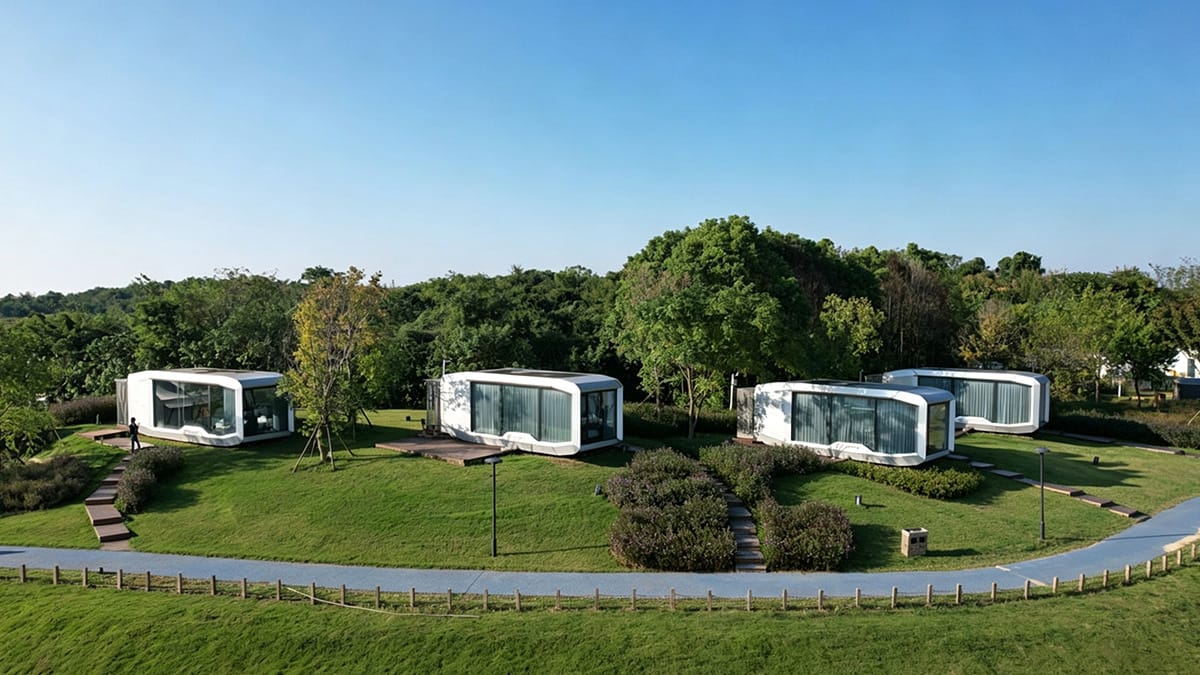
You might ask how capsule houses help the Earth. These homes have many features that are good for the planet. They have special insulation that keeps your home warm in winter and cool in summer. This helps you use less energy and pay lower bills. Capsule houses use safe materials that keep the air inside clean.
Capsule houses have strong insulation for saving energy.
Builders pick safe materials that make your home healthy.
The design can change and grow, so cities can use them to solve housing problems in a green way.
Capsule houses are made to stand up to bad weather, like strong winds and earthquakes. This makes them last longer and stay strong.
Here is a table that shows some ways capsule houses help the environment:
Feature | Benefit |
|---|---|
Thermal Retention | 40% better than most capsule homes |
Structural Resilience | Stays strong in bad weather |
Climate Adaptability | Built for different climates |
Capsule houses can last for many years. Some models stay strong for more than 40 years. You do not have to worry about rot like with wooden homes. This long life is good for the planet.
If you want a home that helps the Earth and lasts a long time, capsule houses are a smart choice.
Resource Efficiency and Carbon Footprint
Capsule houses are great at using fewer resources. They are built in factories with safe materials like recycled steel, bamboo, and old wood. Because they are small, you need less energy for heat, air, and lights. This lowers your carbon footprint and helps the planet.
Feature | Capsule Houses | Conventional Homes |
|---|---|---|
Resource Efficiency | Uses safe materials and saves resources | Uses more resources to build |
Carbon Footprint | Made to cut down on carbon emissions | Usually has a bigger carbon footprint |
Energy Consumption | Needs up to 70% less energy for heat and cool | Needs more energy because it is bigger |
Material Choices | Uses recycled and local materials | Uses regular building materials |
Capsule houses use smart insulation and lights that save energy.
Their small size means you use less energy every day.
The way they are made helps keep carbon emissions low.
Capsule houses are easy to move, so you can take your home with you. This means you do not waste resources when you move. This makes capsule houses a good choice for people who care about the planet. You help the Earth by picking a home that uses less and makes less waste.
Picking capsule houses means you care about the planet and saving energy. You get a home that is green, saves energy, and is ready for the future.
Key Considerations Before Choosing a Capsule House
Space Needs and Comfort Preferences
Before you jump into capsule house living, think about how much space you really need. Capsule houses usually range from 150 to 300 square feet. That’s much smaller than a traditional studio apartment, which can be 400 to 800 square feet.
Type | Size (approx.) |
|---|---|
Space Capsule House | 150–300 sq ft |
Traditional Studio Apartment | 400–800 sq ft |
Ask yourself: Can you feel comfortable in a small area? Do you need space for hobbies, pets, or guests? If you like cozy spaces and don’t mind living with less, a capsule house could fit your lifestyle. If you want more room to stretch out, you might feel cramped. Comfort matters, so try spending time in a small space before you decide.
Tip: Try living in a tiny room for a weekend. This can help you see if capsule house living feels right for you.
Local Laws and Building Codes
You need to check the rules in your area before you buy a capsule house. Cities and towns have different laws about where you can put these homes. Some places welcome modular steel homes, while others have strict rules.
Regulation Type | Description |
|---|---|
Property Zoning | Controls what types of buildings are allowed in each area. |
Building Codes | Sets standards for how homes must be built. |
Building Permits | You need these before you start building. |
Deed Restrictions | Rules on your property deed that can limit what you build. |
Common Regulated Items | Includes size, appearance, safety, energy use, and landscaping. |
If you skip these steps, you could face fines or have to move your home. Always talk to your local building office before you buy. This helps you avoid surprises and keeps your project on track.
Resale Value and Market Appeal
Capsule houses are getting more popular, but you should think about resale value. These homes stand out because they are flexible and affordable. Many people like that you can add more space or even rent out your capsule house for extra income. The market for small, green homes is growing, so capsule houses often appeal to buyers who want something modern and eco-friendly.
If you want to sell later, focus on smart features and energy savings. Buyers love homes that save money and help the planet. When you compare capsule house pricing to other options, you’ll see that these homes offer a good deal for people who want something different. Marketing strategies that highlight cost, smart design, and green features work best.
Note: If you plan to sell, keep your home in good shape and stay up to date with local trends. This will help you get the best price.
Real-Life Uses of Space Capsule Houses
Eco-Tourism and Hospitality
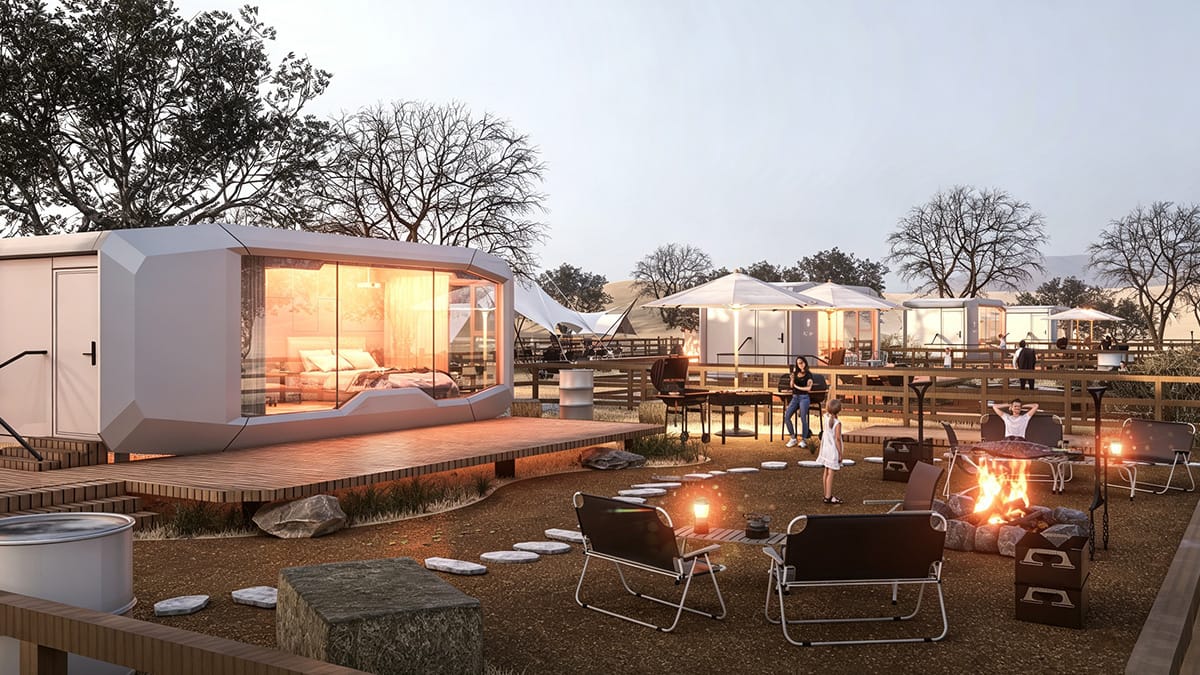 Eco-Tourism and Hospitality
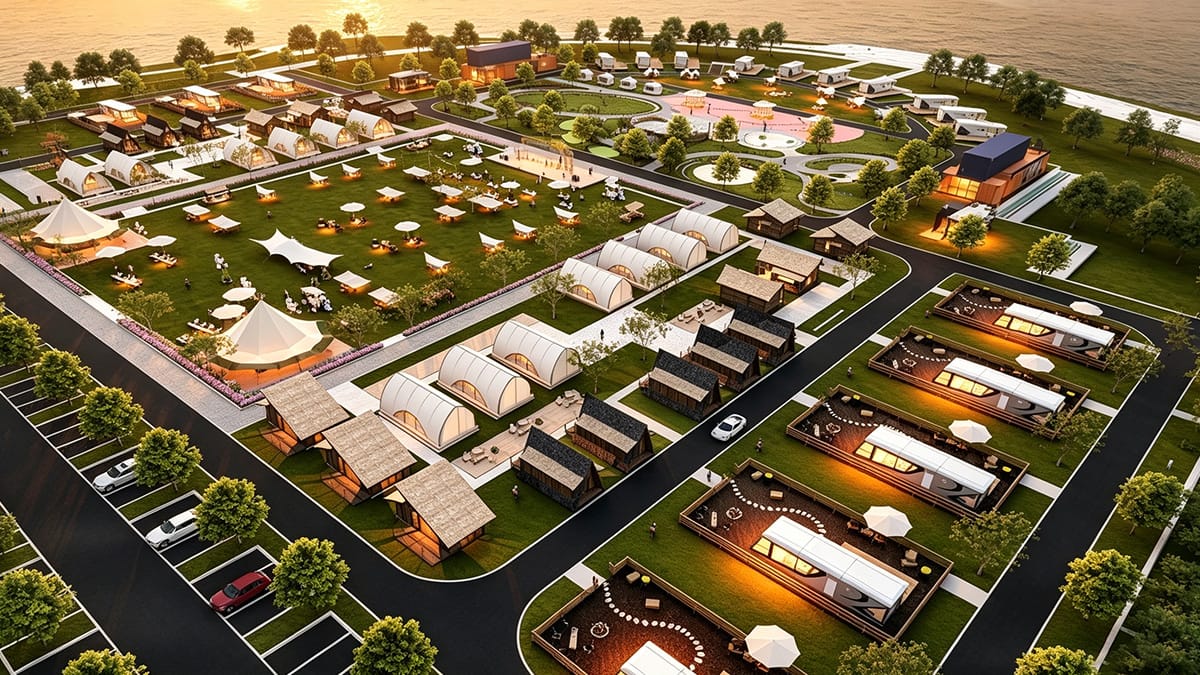
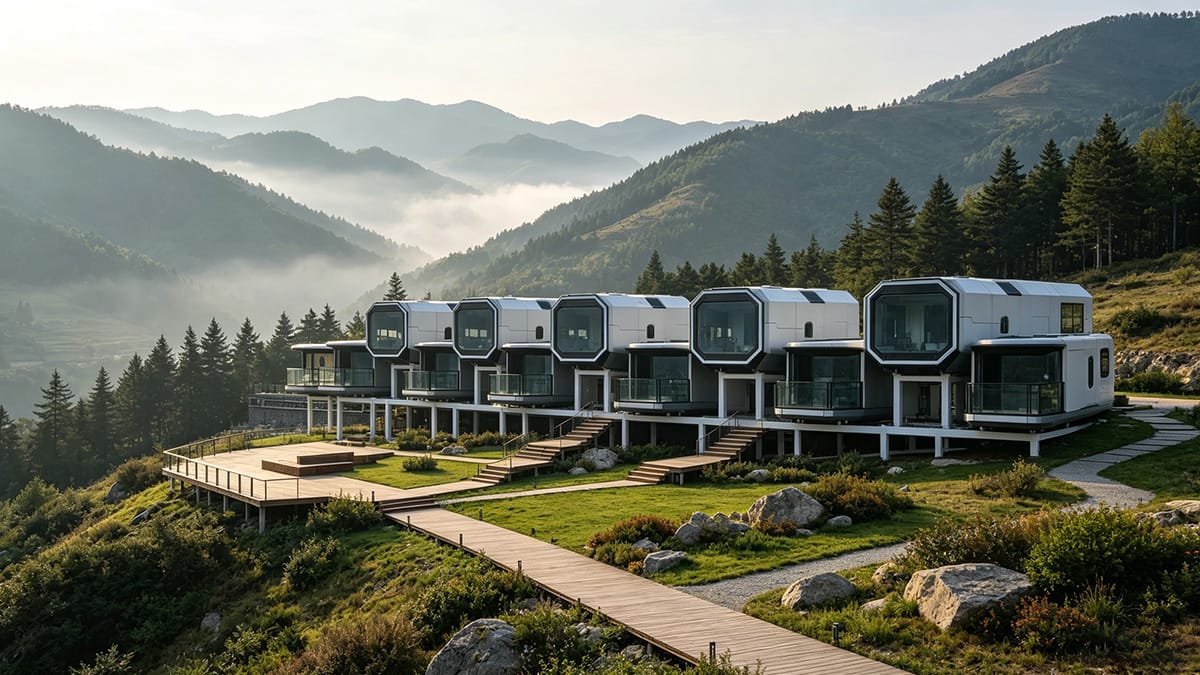
You might see more capsule houses at eco-tourism places and resorts. These small homes give guests a special place to stay close to nature. Resorts and glamping sites use capsule houses for cozy rooms in pretty spots. Some, like the Swiss Alps Capsule Resort, put capsule micro homes in the mountains for a cool vacation.
Many capsule houses here use solar panels and wind turbines for power. They often have battery storage for energy too. Rainwater systems and good insulation help keep them comfy. Some even have Wi-Fi, air conditioning, and fun features. These homes use recyclable and safe materials to protect nature.
Capsule houses can go in faraway places for a real nature trip.
They help green tourism by using eco-friendly stuff and smart energy.
If you want a different vacation that helps the Earth, try a capsule house stay.
Urban Capsule House Living
Cities need new ways to fix housing problems. Capsule house designs are part of this idea. You see them as modern city homes, especially where space is small. These homes use compact water systems with strong filters for clean water. Many use solar power to save on electric bills.
Smart home tech lets you check water and power use right away. Safety and building rules are important, so builders follow city standards. As tech gets better, these homes will have more cool features.
Capsule houses help cities add homes without using much space.
They make city life greener and smarter.
Off-Grid and Temporary Capsule House Solutions
Do you want to live off the grid or need a quick home for a project? Capsule house models are good for both. You can move these homes easily since they come on wheels or trailers. Some, like the ecocapsule, are made for off-grid trips and can go in wild places.
Capsule houses are also used as short-term homes during disasters or building work. Their design helps you live with less impact, especially with solar panels or wind turbines. You use less energy and make less waste.
Capsule houses can be taken apart, moved, and set up almost anywhere.
They let you live where you want, even far from towns.
A capsule house lets you try new places and ways to live without a big risk.
You’ve learned a lot about space capsule houses. Now, think about what matters most to you. Ask yourself:
Does the size fit your needs?
Can you follow local laws and rules?
Do you care about energy savings and green living?
Tip: Check insulation, power systems, and supplier reliability before you decide. Plan ahead so your home stays valuable and easy to maintain. If you’re still unsure, talk to experts or visit a capsule house in person.
FAQ
What is a space capsule house?
A space capsule house is a small, modern home. It gives you a tiny place to live with smart storage. These homes save energy and use eco-friendly materials. You can move them to new places if you want.
Can you live in a capsule house year-round?
Yes, you can live in a capsule house all year. Good insulation and heating keep you warm in most places. You might need extra heat or cooling when the weather is very hot or cold.
How do you get water and electricity in a capsule house?
Most capsule houses hook up to city water and power. Some use solar panels, rainwater, or portable generators. You can choose what works best for you.
Are capsule houses safe during storms?
Capsule houses are built with strong materials and smart designs. Many can handle wind and rain well. Always check the safety rating before you buy one.