

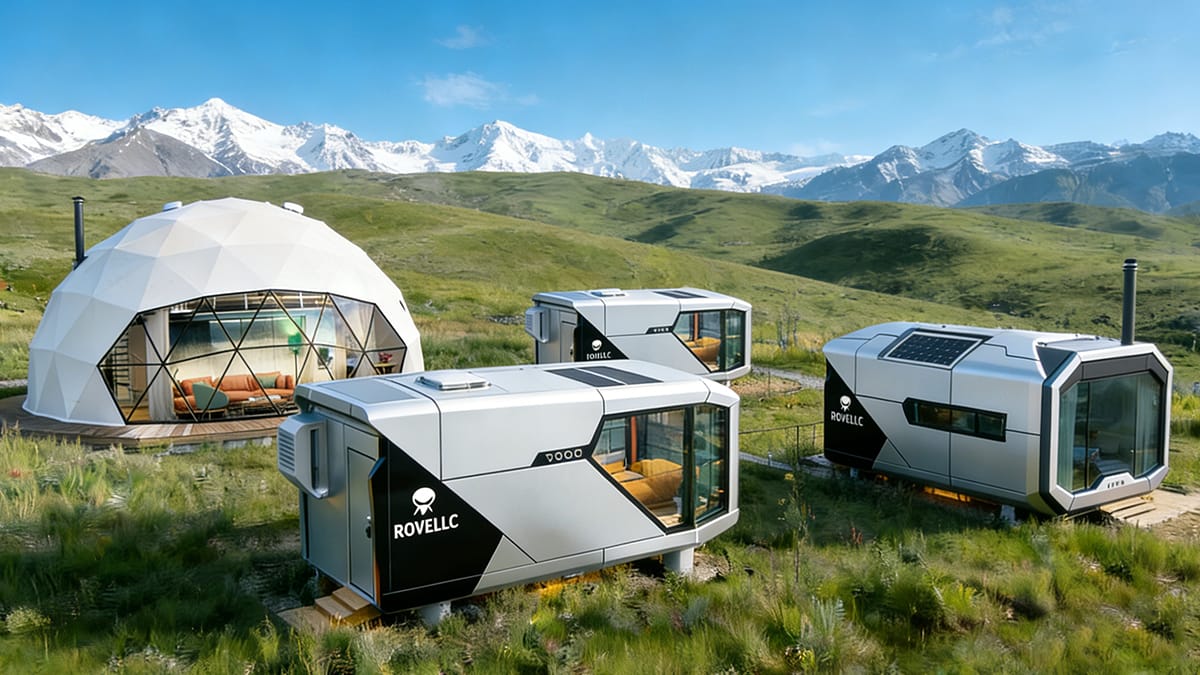
27 Apr Space Capsule House Explained for 2026: Features and Operation
A space capsule house gives you a small, modern place to live. It is inspired by how things are made for space. This kind of home uses new materials and smart designs. These help make the small space feel comfortable. More people want these houses now. This is because home prices keep going up. Building costs are also high. The market for capsule homes is growing quickly. It may be worth over $10 billion by 2032. These homes are good for the planet and easy to set up. This makes them great for people who want a cheap and flexible place to live.
Key Takeaways
Space capsule houses are a new way to live. They are cheap and good for the environment. These homes use strong but light materials. They have smart designs to save space and energy. Capsule homes are easy to move. You can set them up fast. This is good for people who want to move often. Smart technology makes these houses more comfortable. It also helps save energy. You can control energy use easily. Before you buy one, think about local rules. You should also think about your budget. Make sure you are okay with living in a small space.
What Is a Space Capsule House?
Origins and Design Inspiration
The idea for space capsule houses comes from space exploration. Designers wanted to use space in the best way possible. Space capsule homes are inspired by spacecraft. Every bit of space is important in a spaceship. These homes have smooth, rounded shapes. This helps spread stress and makes the house strong. The design is compact and modular. It fits many functions into a small area, like a spaceship.
The capsule house uses strong materials that last a long time.
Smart technology helps make life easy and saves energy.
The shape cuts wind drag and protects the house from bad weather.
Modular designs let you change and move your home easily.
You can change your living space to fit your needs.
Structure and Materials
Every capsule house uses tough materials. The main frame is made of steel or hot-dip galvanized steel. This gives strength and stops rust. Many capsule homes use aviation-grade aluminum for the outside. This makes the house light and strong. Insulated panels keep the inside warm or cool and save energy. Glass brings in sunlight and lets you see outside. Composite materials make floors and finishes strong.
Steel: Strong, lasts long, and can be recycled.
Aluminum: Light and does not rust.
Glass: Lets in sunlight and saves energy.
Composite materials: Used for floors and finishes.
Insulation: Keeps the temperature steady and saves energy.
Bamboo and wood veneer: Good for the planet and used inside.
Capsule homes also have appliances that use less energy and water-saving systems. These features help you live in a way that is good for the planet.
Capsule house design keeps inside and outside pressures balanced. The rounded shape spreads stress and helps the house last longer.
Capsule House vs. Traditional Homes
Capsule homes are very different from traditional houses. Capsule homes use space well and are modular. Traditional homes often waste space with big rooms. Capsule homes cost less to build and take care of. They use small designs and strong materials. You can move a capsule house to a new place. Traditional homes stay in one spot.
Feature | Capsule Homes | Traditional Homes |
|---|---|---|
Space Efficiency | Uses space well with modular designs. | Often wastes space with big rooms. |
Cost Effectiveness | Costs less to build and maintain. | Costs more to build and maintain. |
Portability | Easy to move to new places. | Hard to move and stays in one spot. |
Environmental Impact | Uses eco-friendly materials and less energy. | Uses more energy and has a bigger footprint. |
Customization | Easy to change to fit your needs. | Harder and more expensive to change. |
Capsule homes use fire-rated insulation and flame-retardant materials. They stand up to strong winds, earthquakes, and heavy rain. You get good air flow, waterproof protection, and safe bathroom floors. Capsule homes make much less waste than traditional homes. Many capsule homes use solar panels and wind turbines. You can live off the grid.
Space capsule houses give you a modern, efficient, and flexible way to live. You get strength, safety, and a green home in a small space.
Key Features of Capsule Homes
 Interior Space Optimization
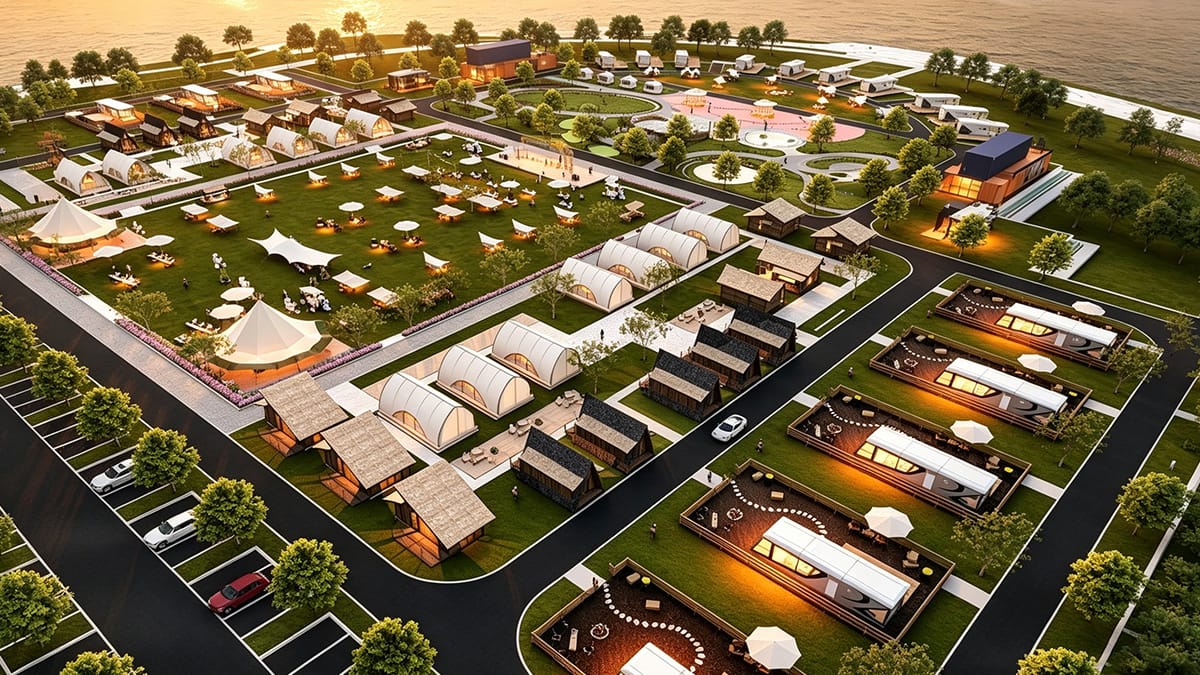 Interior Space Optimization
Capsule homes use space in a smart way. Designers look at how spacecraft use every bit of room. Nothing is wasted in these homes. The living area is small but feels open and bright. Big windows let in lots of sunlight. This makes rooms seem larger. Mirrors bounce light around and make the space look deeper. Light colors and shiny things help you see more space.
You get an open floor plan with fewer walls. This gives you more space to move. Furniture can do more than one job. Beds can fold into the wall. Tables can also be desks. Wall shelves and loft beds help save floor space. If you keep only what you need, it is easy to stay neat and tidy.
Capsule homes are different from other small homes. They have special ways to expand. You can see how these features work in the table below:
Feature | Description |
|---|---|
Mechanical Expansion | You can make your home bigger with special systems when you need more space. |
Structural Integrity | The house stays strong and safe, even when it gets bigger. |
Versatility in Design | You can pick different layouts and setups for your needs. |
Folding Mechanism | Walls and roofs can fold out fast, giving you extra rooms. |
Sliding Mechanism | Parts slide out on tracks to add more space on the sides. |
Telescoping Mechanism | Some parts can stretch up or out, which is good for small city lots. |
You can change your home as your needs change. Capsule homes are easy to move and use space well. They also look modern and cool.
Tip: Keep your stuff simple and neat. This helps you get the most out of your capsule house.
Smart Controls and Technology
Capsule homes use new technology to make life easier. You can control many things with a smart panel or your phone. Most capsule homes have smart thermostats, lights, and door locks. You can also get security cameras, smart appliances, and fun systems.
A main hub connects everything with Wi-Fi or Bluetooth. You can change the temperature, turn lights on or off, and lock doors from anywhere. Many capsule homes have sound systems, air conditioning, automatic curtains, and air purifiers. These smart controls help you save energy and stay comfy.
Technology in capsule homes helps you live in a green way. Smart systems help you use less energy and water. You can check how much you use and make changes to save money and resources.
Smart thermostats keep your home at the right temperature.
Automatic curtains let in sun or block it to save energy.
Air purifiers keep the air clean and fresh.
Security systems keep your home safe, even when you are not there.
You get a home that feels high-tech. Smart controls make life easier and add value.
Sustainability and Lifespan
Capsule homes are leaders in green building. Most use eco-friendly materials like recycled steel and aluminum. About 80% of the materials can be used again. This cuts down on waste and helps the planet. Capsule homes make less than 0.3 tons of waste for every 100㎡ built. Regular homes make much more waste.
You can live off the grid in a capsule home. Many have solar panels and small wind turbines. These let you make your own electricity. Good insulation and energy-saving appliances keep your energy use low. The smart design means you use fewer resources.
Here is how capsule homes compare to regular prefab homes:
Feature | Capsule Homes | Traditional Prefabricated Homes |
|---|---|---|
Energy Efficiency | Great insulation, solar panels, and energy-saving appliances | Often needs upgrades to save more energy |
Sustainability | Green materials and a small carbon footprint | Makes more waste during building |
Resource Use | Small design uses less stuff | Bigger size uses more resources |
A space capsule house usually lasts 20 to 30 years. With good care, it can last even longer. Good materials, smart design, and regular care help your home last. You get a home that is easy to move, strong, and ready for the future.
Note: Picking a capsule home means you help the planet and get value for many years.
How Capsule Houses Work
Portability and Installation
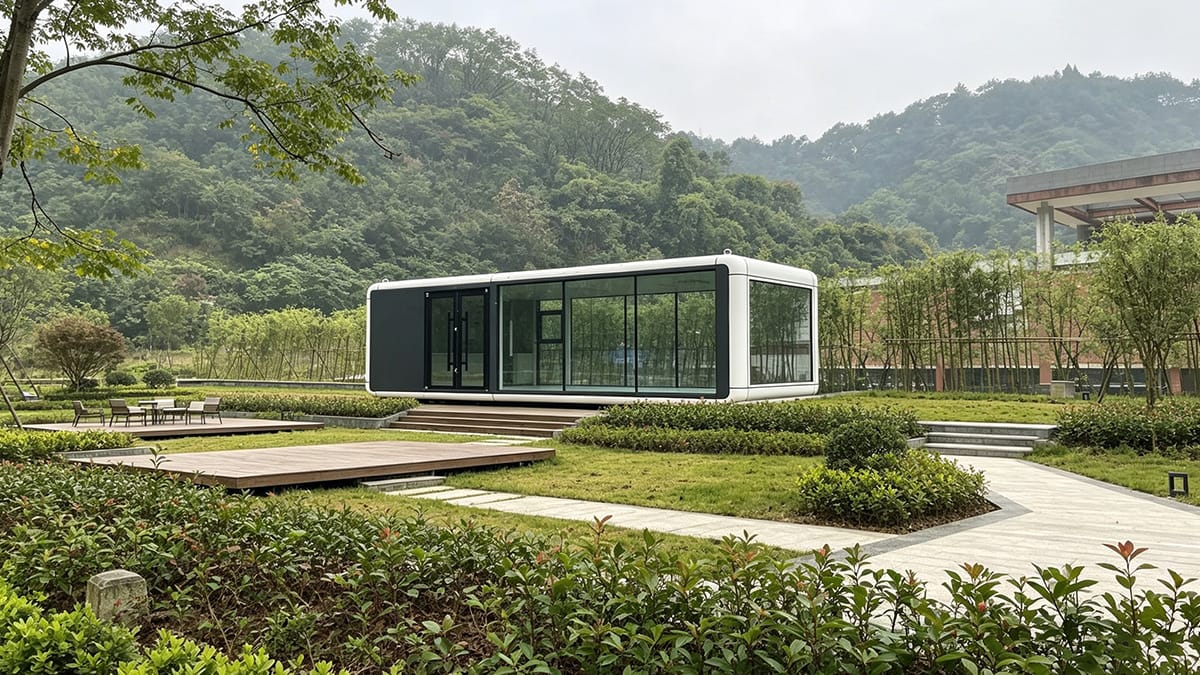 Portability and Installation
You can take a space capsule house to many places. The mobile design lets you live in new spots. Setting up is much faster than with regular homes. Here are the main steps you follow:
Foundation Set-up: Choose a foundation like a concrete slab or screw piles. Make sure the ground is flat and put in the foundation.
Delivery and Inspection: Move your home safely, plan the trip, and check for damage before and after it arrives.
Connecting Utilities: Work with local workers to hook up electricity, water, sewage, and gas. Make sure everything follows local rules.
Most capsule houses can be set up in just one day. You only need flat ground, utility hookups, and the right permits. Regular modular homes take more time and need more work at the site.
Tip: Plan where your house and utilities will go before it arrives. This saves time and helps you avoid problems.
Daily Living and Usability
Space capsule homes make daily life easy and modern. The small design fits sleeping, cooking, and working areas in one place. A 30㎡ capsule can fit two adults with no problem. You get smart systems to control lights, temperature, and security from your phone. These features help save energy and make your home feel high-tech.
Many people like the cozy feeling and smart use of space. You can change or add to your home as you need. Living in a capsule house helps you get used to smaller spaces. This is good in busy cities. Studies show you can use less than half the space of a regular house.
Some problems are less space, needing upgrades for bad weather, and rules about where you can put your home. It may be harder to sell because not many people know about them yet. Some think these homes are too small, but others like the flexible and modern look.
Maintenance and Durability
You need to take care of your capsule house to keep it strong and save energy. Clean the outside every few months to remove dirt and keep it looking nice. Look for cracks or scratches and fix them fast so water does not get in. Put on UV-resistant coatings every few years if your home gets a lot of sun.
Use dehumidifiers or air systems in wet places to stop mold. Clean the floors and do not drop heavy things. Check window and door seals each year to keep the inside warm or cool. Look at wiring and outlets every six to twelve months to stay safe. Check plumbing for leaks and clean filters if you use a greywater system.
Note: Taking care of your home helps it last longer and keeps it ready for the future.
Practical Considerations for Buyers
Legal and Zoning Issues
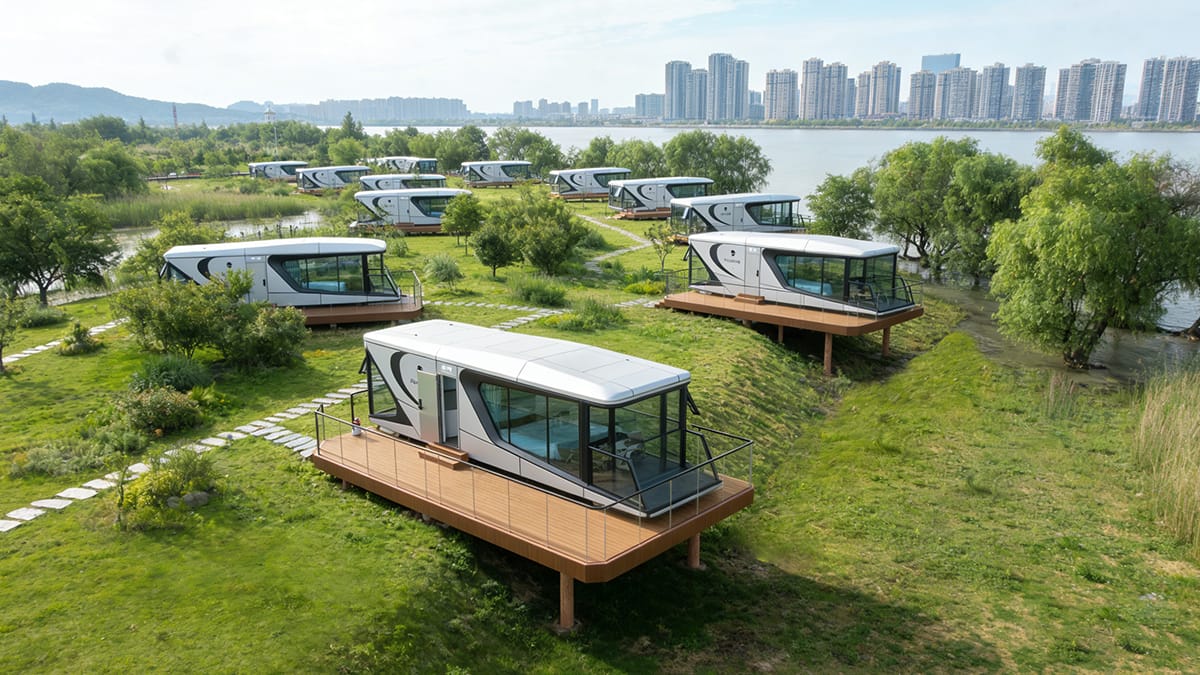 Legal and Zoning Issues
You need to check the rules in your area before you buy a capsule house. Every city and town has its own laws. Some places have strict zoning rules. These rules tell you where you can put your house. Building codes say how safe and big your house must be. Local rules can change your plans. You will need inspections to make sure your house is safe. People in your neighborhood may have opinions. Some will like your idea. Others may not want new homes near them.
Legal Aspect | Description |
|---|---|
Zoning laws | Tells you what permits you need for your area. |
Building codes | Sets safety and size rules for your house. |
Local ordinances | Community rules that affect your plans. |
Inspections | Checks to make sure you follow the rules. |
Community feedback | Neighbors may support or not like your house. |
You usually need a permit to put up a capsule house. State and local rules decide if you can do this. You should talk to city workers to get the right info. A licensed builder can help with permits and paperwork.
Budgeting for a Capsule House
You should plan your money before you start. The price of a capsule house is different in each place. In North America, it can cost $25,000 to $150,000. In Europe, it costs about €20,000 to €120,000. Other places like Asia, Australia, the Middle East, South America, and Africa have their own prices. For a 200 ft² prefab capsule, you might pay about $75,000. This price includes the house, shipping, site work, utilities, and permits.
Region | Typical Price Range |
|---|---|
North America | $25,000 – $150,000 |
Europe | €20,000 – €120,000 (≈ $22k–132k) |
Asia | ¥200,000 – ¥1M (≈ $14k–71k) |
Australia | AUD 35k – 180k (≈ $23k–117k) |
Middle East | AED 90k–550k (≈ $25k–150k) |
South America | $30k – $160k |
Africa | ZAR 300k–1.5M (≈ $17k–86k) |
You can find ways to pay that fit your needs. Some lenders let you pay nothing at first and offer easy terms. You may also find creative leases and fast approvals for business use.
Pros and Cons
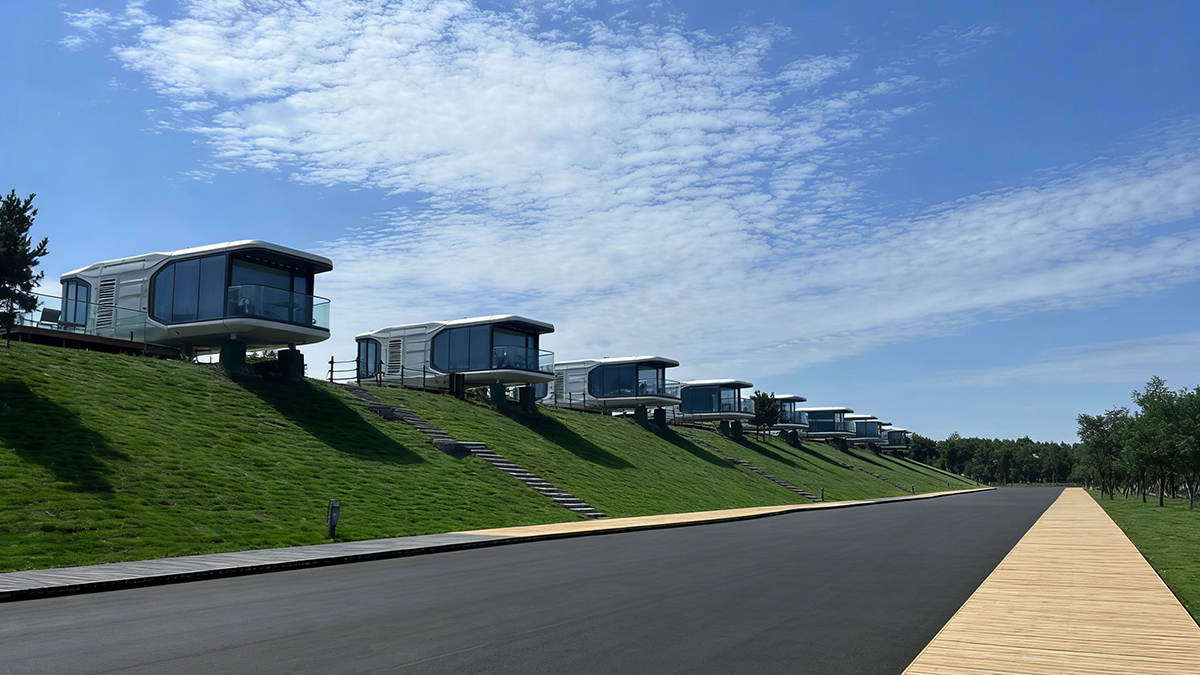 You should think about the good and bad sides before you buy a capsule house. These homes are flexible and quick to set up. They use less energy and let you change the inside. You can move your house if you want to.
Advantage | Description |
|---|---|
Easy to move and stack for more space. | |
Sustainability | Good for the planet, with strong waterproofing and insulation. |
Quick Setup | Fast to build and install, no need for a big foundation. |
Reduced Carbon Footprint | Uses less energy and can use green power. |
Customization | You can change the inside to fit your style. |
There are some problems too. Small spaces can feel crowded. Thin walls can let in noise. Storage is small, so you need smart furniture. Bad weather can make the house less comfy. It can take time to get used to living small.
Limited Space: The house can feel small.
Privacy Concerns: Noise can go through thin walls.
Limited Storage: You need furniture that does more than one thing.
Climate Sensitivity: You may need better insulation for comfort.
Psychological Adaptation: It takes time to get used to small spaces.
Tip: Make a list of what you need and check local rules before you plan your budget for a capsule house.
Space capsule houses are a new way to live. They are modern and you can move them easily. These homes are comfy and do not cost much. It is simple to take care of them. They are great for people who like to keep things simple. Young couples and people who care about the planet like them too. They are also good if you want to set up your home fast. Before you buy one, think about these things: your money and the rules in your area, how much work you want to do to keep your house nice, and if you enjoy living in a small, smart space.
Feature | Benefit |
|---|---|
Affordability | Saves you money |
Sustainability | |
Portability | Easy to move and adapt |
A capsule house is a good choice if you want life to be simple, green, and easy to change.
FAQ
What is the average size of a space capsule house?
You usually get a space capsule house between 200 and 500 square feet. This size fits one or two people. You can add modules if you need more space.
Can you live in a capsule house year-round?
You can live in a capsule house all year. Good insulation and smart climate controls keep you comfortable in hot or cold weather. You may need extra upgrades for extreme climates.
How do you move a capsule house?
You can move your capsule house with a truck or crane. The modular design makes transport easy. You must check local rules before moving your home.
Are capsule houses safe during storms?
Capsule houses use strong materials and rounded shapes. These features help them stand up to wind, rain, and earthquakes. You should check the safety rating for your model.
What utilities do you need for a capsule house?
You need hookups for water, electricity, and sewage. Many capsule houses use solar panels or wind turbines. You can live off the grid if you add these systems.