
17 Apr Your Essential Guide to Buying Capsule Houses for Glamping
Are you thinking about buying a capsule house for glamping? You should pick one that fits your style and your guests. First, plan your budget. Choose a location that matches what you want. Look for ways to make your capsule house special. Always check if the building materials are good. Make sure you know all the legal rules before you buy. Compare different manufacturers and do some market research. This will help you get the best advice for buying. Use this guide to help you find a capsule house that works for you.
Key Takeaways
Capsule houses use space well. You can fit more units in small places. They do not feel crowded.
Pick eco-friendly capsule houses. Look for things like solar panels and recycled materials. These features attract guests who care about the environment.
Make sure the capsule house is strong and can handle bad weather. This keeps people safe and makes the house last longer.
Think about all the costs. This includes setup, taking care of the house, and how much money you might make. This helps you make a smart choice.
Look up different makers. Find the best quality and help for your capsule house needs.
Capsule House for Glamping Benefits
Space Efficiency
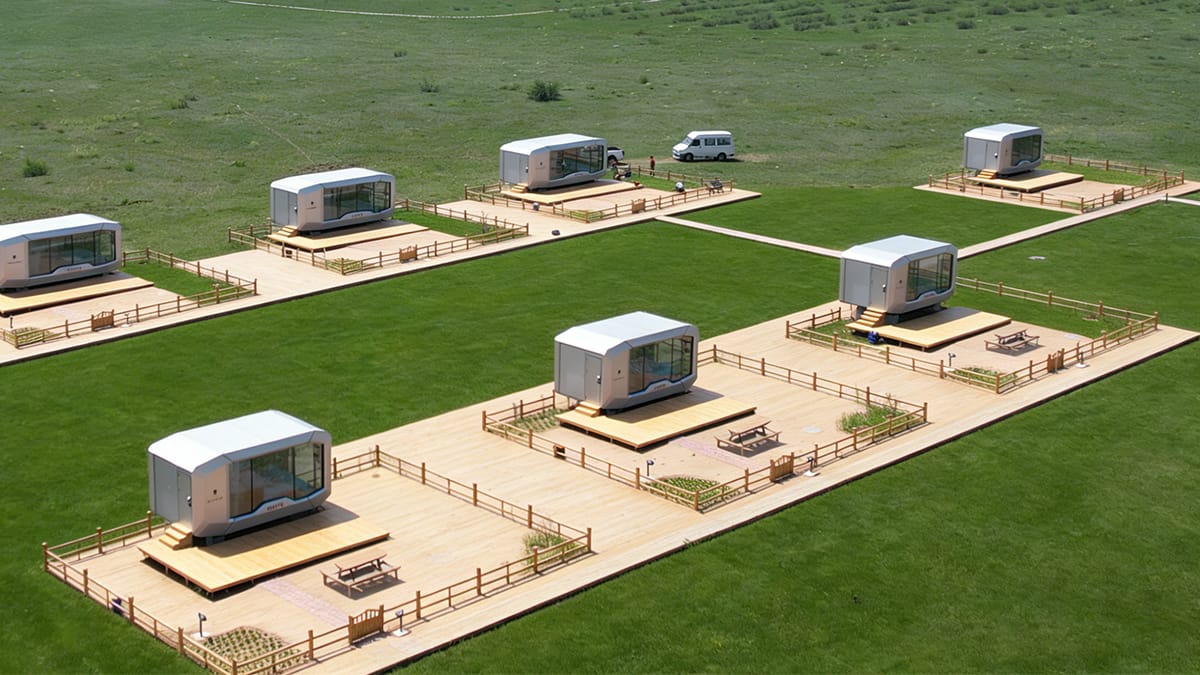
You want your glamping site to feel open and nice. Capsule houses have small designs that use space well. You can put them on tiny lots or places that are not used. This helps you fit more units without making things crowded. Many capsule houses work well in busy areas. You get more space for guests and fun things to do. Picking capsule houses lets you use your land better and make it cozy. Guests feel comfy and do not feel squished.
Capsule houses have smart layouts to use space better.
You can use small city spaces or tiny plots for your capsule house for glamping.
Modular designs let you add more units as your site gets bigger.
Mobility and Eco-Friendliness
Capsule houses are easy to move and change. You can move them if you want to change your site or make it bigger. Their modular design means less harm to nature. Most capsule houses use green materials like recycled steel and good insulation. You help the earth and make less pollution. Many models have solar panels and water-saving tools. You save money and use fewer resources while keeping guests happy.
Description | |
|---|---|
Recycled Materials | Capsule houses use recycled steel frames, so you need fewer new materials. |
Construction Waste Reduction | Factory building makes less waste, up to 60% less. |
Energy Efficiency | Solar panels and strong insulation help save energy. |
Water Conservation | Grey-water recycling systems help use less water. |
Eco-Certification | Upgrades can help your glamping site get eco-certifications. |
Guest Experience
You want guests to feel special at your site. Capsule houses have nice features and cool designs. Some models have balconies for great views. Big windows and private decks let guests see nature but stay comfy. Smart technology adds modern things. Guests get a fun stay that mixes luxury and nature. Capsule houses bring in travelers who care about the earth. You make guests happy and help your site stand out.
Capsule houses give comfort with smart layouts and good materials.
Guests get special outdoor stays with modern features.
You can put capsule houses in woods, on beaches, or in cities.
Eco-friendly features attract guests who care about the planet.
Tip: Capsule houses help you make a glamping site that is smart, green, and fun for every guest.
Capsule House Buying Considerations
 Durability and Weather Resistance
 Durability and Weather Resistance
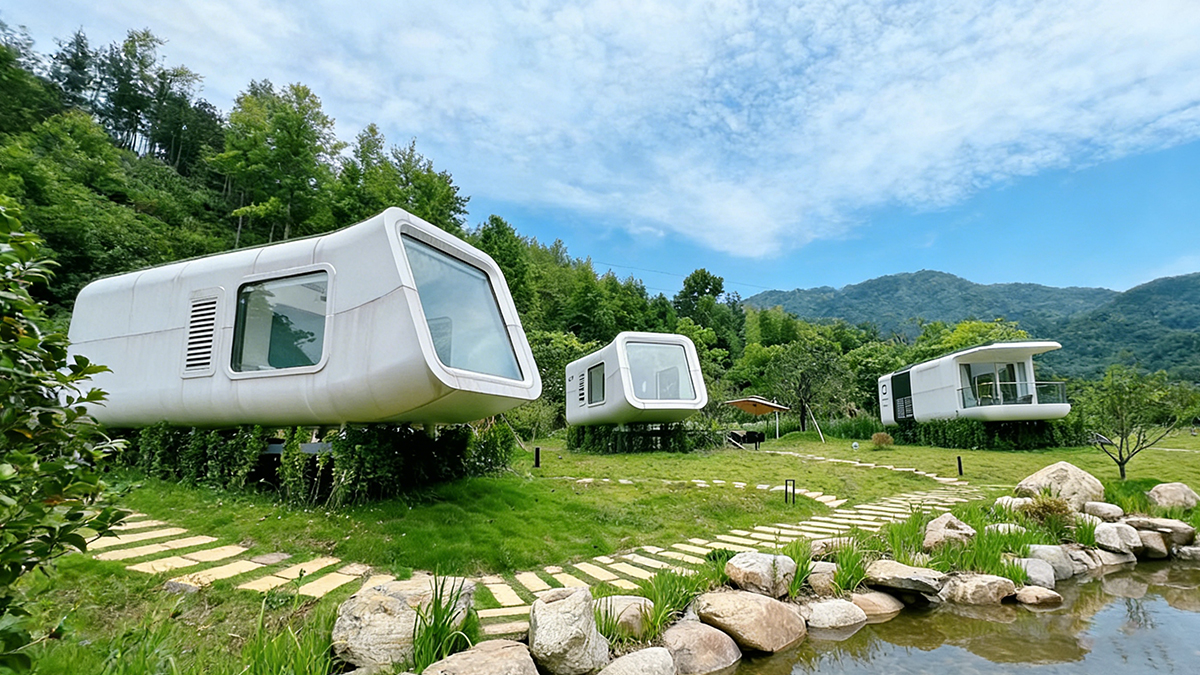
When you want to buy a capsule house, think about how strong it is. Safety is very important for you and your guests. You want everyone to feel safe in any weather. Capsule houses use tough materials like galvanized steel, high-grade concrete, and treated wood. These help the house last a long time, even over 50 years with good care. Some capsule houses can stand up to hurricane winds and big earthquakes. The shape and strong steel help them stay safe in storms and shaking. Impact-resistant glass keeps guests even safer.
Capsule houses stay safe in strong storms.
They do not fall apart in big earthquakes.
Their shape helps them handle bad weather.
You can trust your investment will last.
Capsule houses are made to last many years. In most places, a modular home lasts 25 to 30 years. If you take care of it, it can last over 50 years. When you look at different capsule house manufacturers, ask about the materials and safety features. This helps you pick a capsule house that is comfy and lasts a long time.
Energy Efficiency
Being eco-friendly and saving energy is important for glamping sites. Capsule houses often have good insulation and tight construction. This means you pay less for heating and cooling. Guests stay warm in winter and cool in summer.
Feature | Description |
|---|---|
Thermal Resistance | The insulation keeps heat in and saves money. It works six times better than old materials. |
Air Tightness | Very little air leaks out, so the inside stays cozy. This saves energy and keeps guests happy. |
Capsule house manufacturers make sure their houses meet strict energy rules. Some models have solar panels, smart thermostats, and water-saving systems. These things make guests comfortable and help you save money. When you buy a capsule house, check the energy ratings and eco-friendly choices from each manufacturer.
Setup and Transport
Setting up and moving a capsule house takes planning. You need to think about the route, permits, and how to keep the house safe. Capsule house manufacturers often help with these steps, but you should know what to do.
Plan the route for big modules.
Use strong straps and pads to keep the house safe.
Cover the house with weatherproof material for long trips.
Make the structure stronger to stop damage.
Protect the outside from scratches and chips.
Keep the load balanced so it does not tip.
Use tracking devices to watch the move.
Here is a simple checklist for setup and transport:
Check the route for size and weight limits.
Get permits and book escort vehicles if needed.
Watch the weather and plan for delays.
Make sure the site is ready for the house.
Check that the foundation matches the house.
Capsule house manufacturers can help you with these steps. Their help makes buying a capsule house easier and safer.
Cost and ROI
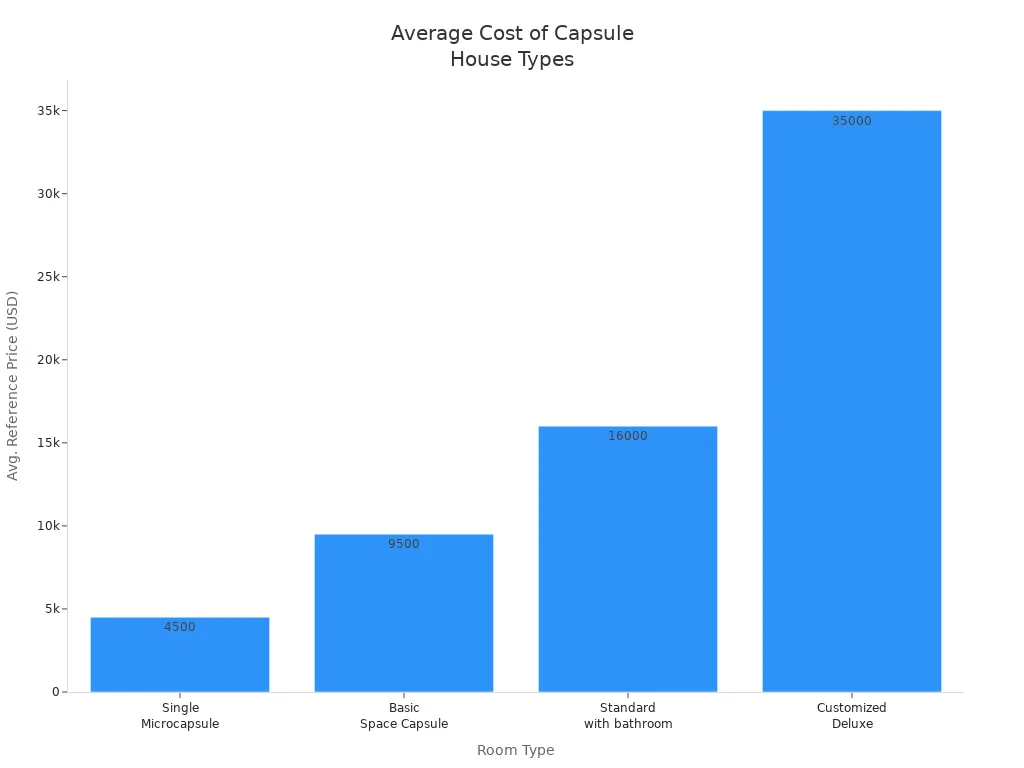
Buying a capsule house for glamping costs a lot, so you want to know what you get. Prices change based on size, features, and comfort. Here is a quick look at the usual costs:
Room Type | Area Range | Main Usage | Reference Price (USD) |
|---|---|---|---|
Single Microcapsule | 5 – 8 sq m | Youth Hostel / Overnight Stay | $3,000 – $6,000 |
Basic Space Capsule | 10 – 15 sq m | Campsite / Resort B&B | $7,000 – $12,000 |
Standard w/ Bathroom | 15 – 25 sq m | Family Camping / Long Stay | $12,000 – $20,000 |
Customized Deluxe | 25 sq m+ | Resort B&B / Commercial | $20,000 – $50,000+ |
Capsule houses save you money on heating and cooling. They cost about 20-30% less than regular homes. Maintenance is cheaper because they are smaller and strong. After 10 years, capsule houses keep about 70-80% of their value. This makes them a good choice for your business.
Feature | Capsule House | Traditional Home |
|---|---|---|
Energy Efficiency | 20-30% lower heating/cooling costs | Higher utility costs |
Maintenance Costs | Lower due to smaller size | Higher due to larger size |
You can use capsule houses for short stays, pop-up shops, or mobile offices. Travelers like fun and different places to stay, so your glamping site will get more guests. Good design, comfort, and safety help your site stand out.
Note: Travelers now want special places to stay, like cabins, dome tents, or capsule pods that mix nature and comfort. When you buy a capsule house, focus on comfort, safety, and what your guests need.
When you compare capsule house manufacturers, look at comfort, strength, and guest experience. Buying a capsule house is not just about price. It is about finding the best one for your site and guests.
Capsule House Types and Features
Modular vs. Fixed
Prefab capsule houses come in two main types. You can pick modular or fixed designs. Modular units are easy to move. They use a trailer base and can go almost anywhere. Fixed capsule houses stay in one place. They need cranes to set up and are best for permanent sites. Here is how they compare:
Feature | Apple Cabin (Modular) | Space Capsule (Fixed) |
|---|---|---|
Installation Flexibility | Easy to move, trailer base options | Permanent setup, crane installation |
Suitability for Environments | Urban, coastal, or remote settings | Built for harsh weather, very durable |
Design and Customization | Nature-inspired, adjustable decks | Simple, strong, high structural integrity |
Modular prefab capsule houses are good if you want to grow or move your glamping site. Fixed prefab capsule houses are stronger and more comfy for long stays.
Luxury and Eco-Friendly Options
There are many luxury and eco-friendly prefab capsule house choices. Some models use strong storage containers and big glass windows. You can see nature and stay safe in bad weather. Many prefab capsule houses use green materials and keep water out. They also stop rust. Smart home features let you control lights and heat easily. These prefab capsule houses come ready to use. You do not need to build for a long time. You can set them up fast and start hosting guests soon.
Feature | Description |
|---|---|
Custom-Fabrication | Built to your specs, high-grade containers |
Innovative Design | Big glass windows, connects you to nature |
Durability & Sustainability | Eco-friendly, waterproof, rust-proof, insulated |
Smart Home Integration | Automated controls for energy and comfort |
Ready-to-Use | Delivered finished, less site work |
Mobility | Easy to move and relocate |
Luxury prefab capsule houses are great for fancy camping and Airbnb. Eco-friendly and space capsule homes attract guests who care about the earth and want comfort.
Customization
You can change your prefab capsule house to fit your glamping site. You may need to connect plumbing, electric, and HVAC for comfort. Some sites need special stairs if the land is not flat. You can pick your own floors, kitchen parts, and other finishes. Each prefab capsule house can match your style and comfort needs. Many eco-friendly and space capsule homes let you add smart features or energy-saving systems. This helps you make a special guest experience and a cool design that stands out.
Tip: Think about your guests and your site. Pick prefab capsule house features that fit your lifestyle and make every stay comfy.
Capsule House Buying Guide: Budget and Financing
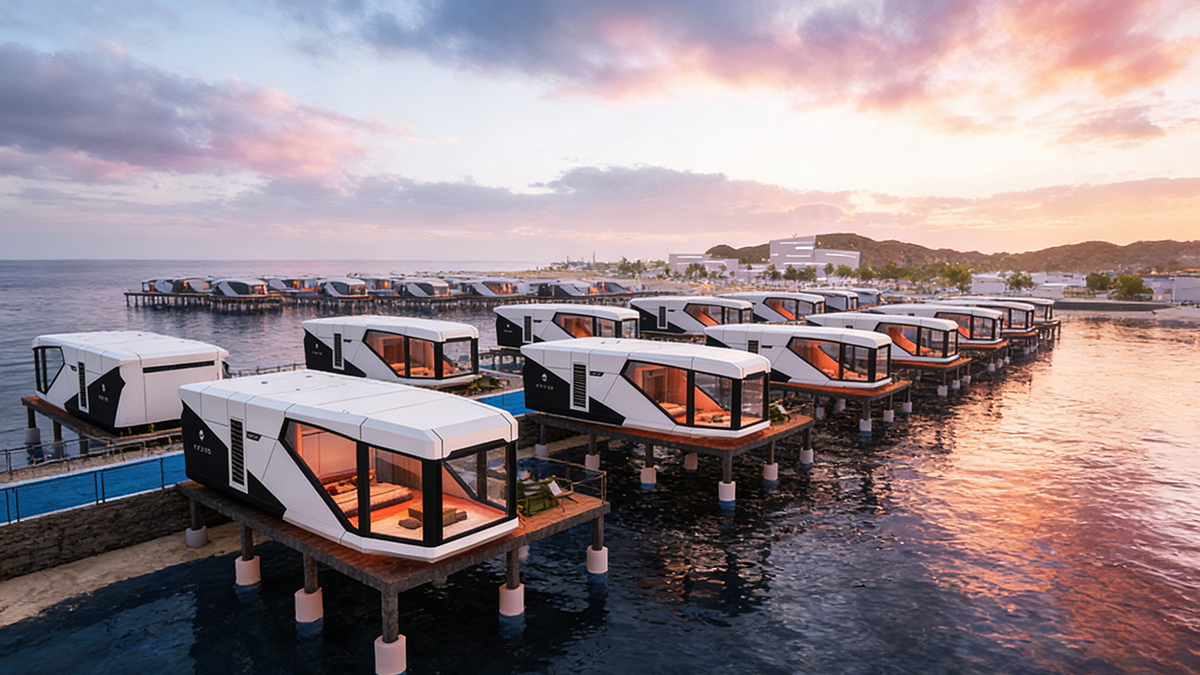 When you start thinking about buying a capsule house for glamping, you need to know the price. You should also know how to pay for it and if you can make money later. Let’s look at the costs and choices so you can make smart decisions and get the most from your money.
Price Ranges
Capsule houses come in many sizes and styles. You can pick a simple prefab home or a fancy one with lots of features. Most prefab glamping capsule pods cost between $10,000 and $25,000. The price depends on what you want and how big it is. If you want a bigger or fancier capsule house, the price will be higher.
Here is a quick look at what you might pay for different prefab capsule houses:
Compact space capsule (basic): $50,000 – $70,000
Standard space capsule (turnkey): $70,000 – $100,000
Premium space capsule (high-end): $100,000 – $140,000+
But the price of the capsule house is only part of your budget. You also need to pay for shipping, setup, and other things. Look at this table to see what you might spend when you buy a capsule house for your glamping site:
Cost Category | Typical Range (2026 Estimate) |
|---|---|
Capsule unit price | $35,000 |
Shipping & craning | $2,000 – $8,000 |
Foundation/supports | $3,000 – $10,000 |
Utility connections | $5,000 – $20,000 |
Permits, design, inspections | $1,500 – $7,000 |
Site prep (grading, access) | $2,000 – $10,000 |
Contingency (10–15%) | $4,900 – $13,500 |
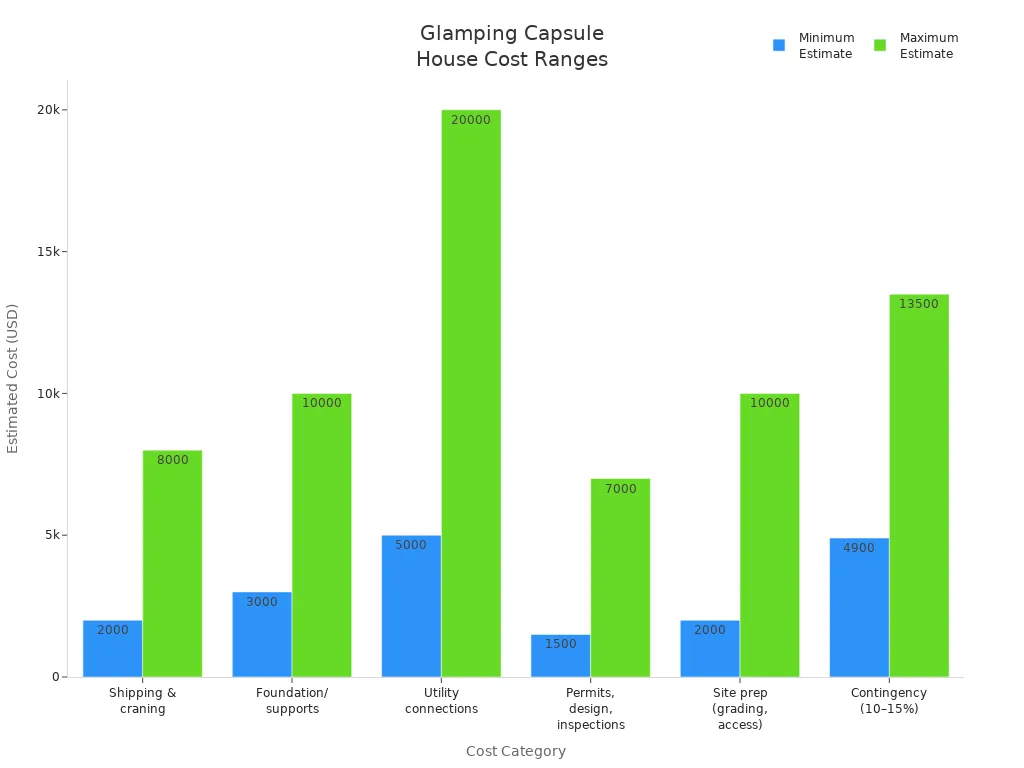
Tip: Always add extra money to your budget for surprises. A 10–15% contingency can help if something unexpected happens.
If you want to save money, compare different prefab capsule house manufacturers. Some have deals or packages that include setup and delivery. You can also look for budget prefab homes that give you the basics without extra costs.
Financing Options
You do not have to pay for your prefab capsule house all at once. Many people use financing to spread out the cost. Here are some ways you can pay for your new glamping pod:
Supplier financing: Some capsule house manufacturers let you pay each month. This helps you manage your money.
Bank loans: You can get a loan from your bank. This works if you have good credit and want to own the capsule house right away.
Leasing: Some companies let you lease a prefab capsule house. You pay each month and can decide later if you want to buy it.
Crowdfunding: You can ask friends, family, or investors to help pay for your glamping project. This works best if you have a cool idea or want to build a special site.
Note: Always ask your capsule house manufacturer about payment plans or special deals. Some work with lenders or give discounts if you pay early.
If you want your project to go well, talk to more than one prefab capsule house manufacturer. Compare their financing options and see which one is best for you.
ROI Assessment
You want to know if buying a capsule house will make you money. To figure out your cost and roi, look at how much you can earn and how much you need to spend. Here are some important things to check:
Description | Significance | Optimization Tips | |
|---|---|---|---|
Occupancy Rates | Percentage of booked units | Shows how often your capsule house is rented | Offer deals during slow times, improve guest experience |
Average Nightly Rates | Revenue per occupied unit per night | Tells you if your pricing is working | Change rates for busy or slow seasons |
Seasonality Impact | Demand changes during the year | Helps you plan for ups and downs | Host events, use special pricing, offer packages |
Customer Acquisition Costs | Money spent to get new guests | Affects your profit | Use referrals, boost your online presence |
Customer Lifetime Value | Total money a guest spends over time | Shows long-term profit from repeat guests | Give great service, start loyalty programs |
To get the best return, try to keep your prefab capsule house full. Set smart prices and make your site special. Work with a capsule house manufacturer who knows about glamping. They can help you pick features that bring more guests and keep costs low.
Callout: Do your market research before you buy. Check what other glamping sites charge and how busy they are. This helps you set the right price and pick the best prefab capsule house for your site.
If you want your investment to work, focus on guest experience, smart marketing, and working with a good prefab capsule house manufacturer. With the right plan, your capsule house can make steady money and grow in value over time.
Supplier Selection for Capsule House
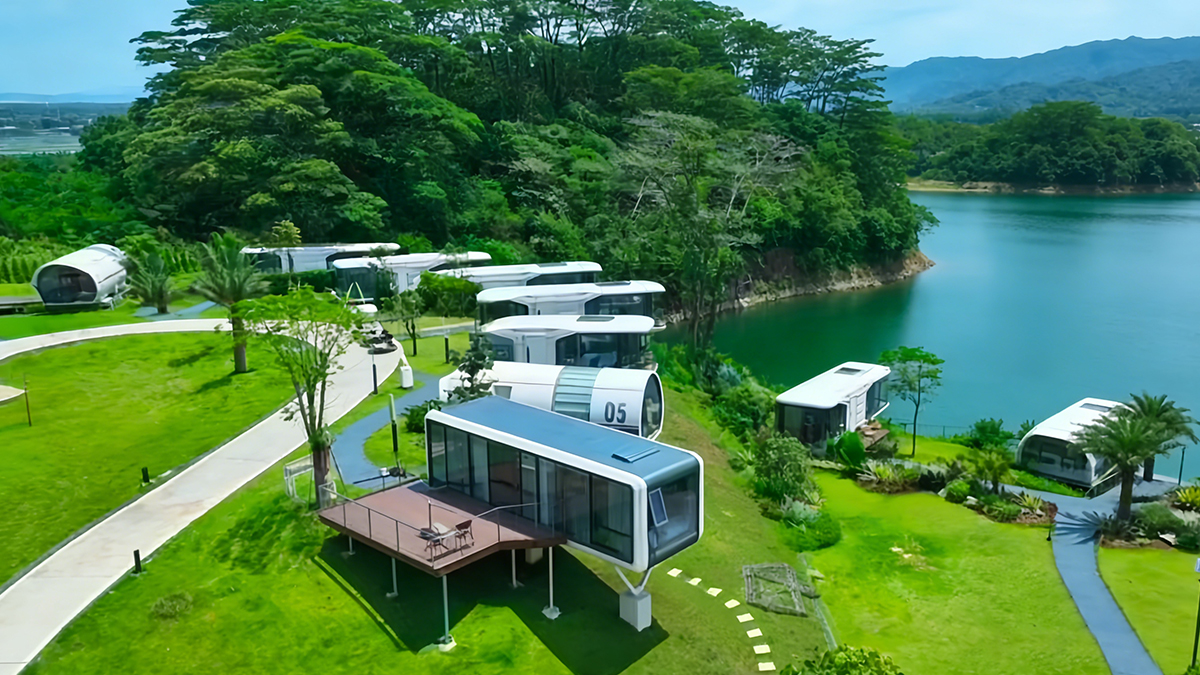 Picking the right capsule house manufacturer is very important. The right prefab partner helps your glamping project succeed. You want someone who delivers on time and helps you a lot. They should stand by their product and answer your questions. Let’s look at what to check when you pick from many capsule house manufacturers.
Manufacturer Evaluation
Prefab capsule house manufacturers are not all the same. Some are fast at putting things together. Others focus on good design or strong quality. You want a capsule house manufacturer who does all these things well. Here is a table to help you compare:
Criteria | Description |
|---|---|
Assembly Efficiency | Fast setup means you can start earning sooner. |
Shipping & Container Optimization | Smart shipping saves money and keeps your prefab safe. |
Lead Time | Reliable timelines help you plan for busy seasons. |
Material Durability | Strong materials mean less repair and longer life. |
Certification & Compliance | Legal paperwork makes your prefab capsule house easier to insure and approve. |
Long-Term Operating Cost | Lower running costs help your business stay profitable. |
Tip: Always ask capsule house manufacturers about how long it takes to deliver. Also, check if they have the right certifications before you buy.
Service and Warranty
A good prefab capsule house manufacturer gives you clear support. They should offer strong warranties and real help. Here is what you should get:
Warranty Type | Duration | Coverage Details |
|---|---|---|
Structure Warranty | 5-10 years | Covers frame, walls, and built-in equipment. |
Major Systems Warranty | 1 year | Protects main systems and structure. |
Aluminum Panels Warranty | Keeps panels and internal structures looking new. | |
Response Time for Support | Hours to days | Fast help for urgent issues. |
After-sales Service | Ongoing | A project manager or sales rep helps after you buy. |
Many prefab capsule house manufacturers help with repairs and upgrades. They offer global after-sales service and maintenance. You want a capsule house manufacturer who answers quickly and fixes problems fast.
Logistics and Support
Moving your prefab capsule house to your site needs good planning. The best capsule house manufacturers handle shipping and customs. They also help with insurance and setting up your house.
Service Type | Description |
|---|---|
Complete Logistics Management | Handles transport, customs, and insurance for your prefab. |
Installation Support | Guides your team during setup. |
Post-Construction Services | Offers repairs, upgrades, and maintenance after you move in. |
End-to-end shipping means they handle everything from packing to delivery.
You get clear prices with no hidden costs.
Many prefab capsule house manufacturers ship to many countries and give updates often.
Note: Pick a prefab capsule house manufacturer with a helpful support team. This makes your project easier and less stressful.
Legal and Site Preparation
Zoning and Permits
 Zoning and Permits
Before you set up your capsule house, you need to check the rules in your area. Zoning laws tell you where you can put your capsule house. Some places only allow them in certain zones, like residential or commercial areas. You may also see rules about how big your capsule house can be. Many towns want homes to be at least 500 square feet. Some places care about how your capsule house looks, so you might need to follow design codes.
If your land is close to wetlands or other special areas, you may need extra permits. You also need permits to connect your capsule house to water, power, and sewage. Each utility has its own rules. Here’s what you should look for:
Zoning laws for your land use
Minimum size and design rules
Environmental permits for special sites
Utility permits for water, power, and sewage
Tip: Call your local building office before you buy. They can tell you what you need.
Site Readiness
Getting your site ready is a big step. You want everything smooth before your capsule house arrives. Here’s a simple plan you can follow:
Check the soil and weather. Make sure your land is safe and dry.
Plan where each capsule house will go.
Get all your licenses from the city or county.
Clear rocks and level the ground for the foundation.
Work with utility teams to set up water, power, and sewage.
You can ask your supplier for help with these steps. They often know what works best for capsule houses.
Installation Steps
When your site is ready, you can start the installation. The process has many steps, but your supplier will guide you. Here’s a look at what happens:
Step | Description |
|---|---|
1 | Prepare materials by cutting, sizing, and labeling them. |
2 | Build the frame with special tools. |
3 | Weld the joints for strength. |
4 | Treat and coat the frame to stop rust. |
5 | Build the walls, roof, and floor. |
6 | Install windows and doors, making sure they fit well. |
7 | Add electrical and plumbing systems. |
8 | Waterproof the bathroom and wet areas. |
9 | Finish the inside with paint and fixtures. |
10 | Set up heating, cooling, and smart features. |
11 | Check everything with quality control tests. |
12 | Pack and protect the capsule house for shipping. |
13 | Ship, deliver, and help with on-site setup. |
Before you finish, make sure your water, sewer, and electric lines are ready to connect. This helps your capsule house work right away.
Note: Good planning makes your installation smooth and stress-free. Always double-check your permits and site before you start.
Maintenance and Long-Term Value
Routine Upkeep
Taking care of your prefab glamping units is not hard, but you need to stay on top of it. If you keep up with regular tasks, your capsule house will look great and last longer. Here’s a quick table to help you see what you need to do:
Maintenance Task | Operation Difficulty | Tools Needed | Tips |
|---|---|---|---|
Surface Cleaning and Exterior Inspection | Low | Water gun, soft cloth, gloves | Clean the prefab shell every month with gentle soap. Avoid rough scrubbers. |
Sealing Maintenance | Medium | Caulking gun, sealant | Check joints once a year. Reseal any cracks to keep water out. |
Hydropower System Check | Professional | N/A | Get a pro to test wiring and water systems every two years. |
Structural Safety Inspection | Professional | N/A | Ask for a safety check on prefab welds and stress points every few years. |
Smart System Monitoring | Easy | Mobile app | Use your phone to track energy use and adjust settings for comfort and savings. |
Tip: If you do these tasks on schedule, your prefab capsule house can look new for years and avoid big repairs.
Scalability
Prefab glamping units make it easy to grow your business. You can add more units as you get more guests. Each prefab capsule house works by itself or as part of a group. This means you can start small and add more when you need them. Here’s how prefab units help you scale up:
Scalability Feature | Benefit |
|---|---|
Add Units as Needed | Grow your site without big changes |
Independent Operation | Each prefab works alone or with others |
Lower Capital Costs | Expand in steps, not all at once |
You do not need to redesign your whole site. Just add another prefab capsule house when you want to grow. This keeps your costs low and your options open.
Resale Potential
Prefab capsule houses hold their value well. If you want to sell your unit later, you can often get a good price. Many buyers look for prefab homes because they are easy to move and set up. If you keep your prefab in good shape, you can attract new owners or even move it to a new site. This gives you more choices if your plans change.
Note: A well-kept prefab capsule house can stay valuable for many years. Good maintenance and smart upgrades help you get the best resale price.
Real-World Capsule House Experience
Case Studies
 Case Studies
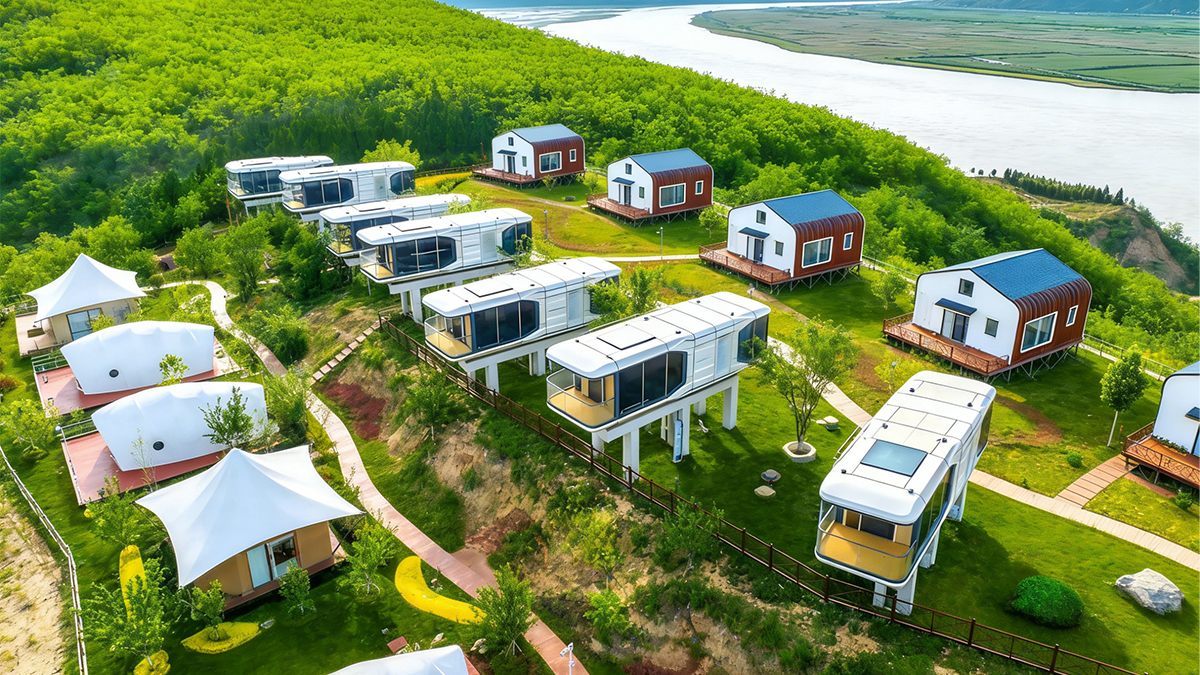
You can learn a lot from real-life projects. Many glamping sites use capsule house units to grow quickly and save money. Here are two examples that show how smart choices help:
Case Study | Description | Results |
|---|---|---|
Coastal Glamping Resort Expansion | A resort in California added 10 capsule house units to fix slow building and high costs. | Bookings went up by 40%. Guests were happier with their stay. |
Eco-Tourism Village Launch | A developer in Colorado used capsule house units to finish early and spend less. | The site opened sooner than planned. The return on investment was high. |
These stories show you can grow your business and make guests happy with the right plan. Capsule house units help you build faster and keep costs down.
Common Pitfalls
You want your capsule house experience to go well. Many buyers have problems you can avoid. Here are some mistakes people make:
Not checking local rules before buying. You may need special permits.
Skipping site prep. Uneven ground can cause problems later.
Picking the cheapest unit without checking quality. Bad materials mean more repairs.
Forgetting about guest comfort. Small spaces need smart layouts.
Ignoring maintenance. Regular checks keep your capsule house looking good.
Tip: Talk to other owners about their experience. You can learn from what they did right and wrong. Plan ahead and check every detail before you buy.
If you follow these tips, your capsule house experience will be better. You will save money, avoid stress, and make your guests happy.
You now have the tools to pick the right capsule house for your glamping site. Take time to compare options, check features, and plan your budget. Ask questions and look at real stories from other owners. Careful planning helps you avoid mistakes and get the best value. Use this guide to make smart choices and create a space your guests will love.
FAQ
How long does it take to set up a capsule house?
You can usually set up a capsule house in one to three days. The time depends on your site and the model you choose. Some suppliers offer quick-install options to help you get started fast.
Can you move a capsule house to a new location?
Yes, you can move most capsule houses. Modular designs make moving easy. You just need a truck and some planning. Fixed models are harder to move, but it’s possible with the right equipment.
What features can you customize in a capsule house?
You can pick your floor plan, finishes, and smart features. Many suppliers let you add solar panels, decks, or special windows. Ask your supplier for a list of options.
Do capsule houses work in cold or hot climates?
Capsule houses have strong insulation and weatherproofing. You stay warm in winter and cool in summer. Some models even include heated floors or air conditioning for extra comfort.