
05 Feb What Are Capsule Houses and Why Are They Gaining Popularity
Capsule houses give people a new way to live in cities. They are cheap and fancy at the same time. These small homes use space well and help cities stay green. Experts think the market for capsule apartments will be $64.9 billion by 2032. This means many people want them.
Capsule house factories can make lots of homes fast. This helps fix the problem of not enough homes in busy cities.
|
Housing Type |
Cost per Square Foot |
|---|---|
|
Capsule House |
$150 |
|
Traditional Home |
$175 |
Capsule homes usually cost $8,000 to $50,000 for each one. Regular homes often cost more than $200,000. Companies like Capsule Castle are leading. They give choices besides dome-shaped homes.
Key Takeaways
-
Capsule houses are a cheaper way to live. They cost between $8,000 and $50,000. Regular homes often cost more than $200,000.
-
These houses use smart design to save space. They have open rooms and furniture that does more than one job. This makes them great for city life.
-
Capsule houses help the planet by using less stuff. They also use energy-saving technology. This saves money and helps the environment.
-
You can pick features that match how you live. You can choose simple styles or earth-friendly materials.
-
It is important to know local rules before you buy. Zoning and building codes decide where and how you can build.
Capsule Houses: Definition and Origins
What Is a Capsule House
You might wonder how a capsule house is different from other small homes. Capsule houses are tiny homes made to use space well and feel comfortable. Architects say capsule architecture means small, short-term shelters that use technology and green design. These homes are special because they use all the space and often show local culture. A capsule house is a small home that has what you need and is seen as one unit. Many capsule houses can be moved or taken apart, so they fit many ways of living.
Capsule houses are built using prefab methods. Factories make the parts somewhere else and put them together fast at the site. This way saves time and makes less trash. You get a strong and smart home. Capsule houses often have galvanized steel frames to make them tough. Modular designs help use space well, and the layout makes moving around easy. Capsule house builders keep things simple. They do not use tricky systems, so you do not have to fix things often.
|
Design Principle |
Description |
|---|---|
|
Durability |
Capsule houses can handle bad weather, strong winds, and earthquakes. |
|
Efficient Space Usage |
Every spot is useful, and spaces can do more than one thing. |
|
Human-Centered Design |
The layout splits private and shared areas, so moving is simple. |
|
Simplicity in Technology |
Simple features make it easy to care for and last longer. |
Capsule houses use prefab building to make homes that last. You get a place that feels private and is easy to walk through. The design gives you what you need without extra stuff.
History and Evolution
Capsule houses have a long history that links to the Metabolist Movement in Japan. In the 1960s, architects wanted to fix problems in growing cities. They thought of big buildings with units you could add or take away. You can see this idea in capsule houses now. The goal was to make homes that change when people need them. New technology became part of city life, and capsule houses grew from these ideas.
The Metabolists’ big city plans, even if not built, gave important ideas from the 1960s. They tried to solve big problems for cities around the world.
The Metabolist Movement used prefab and modular building. Their projects became early models for new ways to build cities and neighborhoods. You can see the start of capsule house design in these first tries.
Kisho Kurokawa was a big part of making capsule houses. He thought buildings should grow and change like living things. His famous works, like the Nakagin Capsule Tower and Capsule House-K, show how capsules can be part of daily life. Capsule House-K, built in 1972, used box-shaped capsules to make flexible homes. Kurokawa saw the capsule as something that links people, machines, and buildings. He wanted capsule house building to show what homes could become.
-
Kisho Kurokawa led the Metabolist Movement and wanted buildings to change.
-
His projects, like Capsule House-K, used box capsules to show how homes can grow.
-
Kurokawa thought capsules could be part of your living space.
-
He tried new ways to build capsule houses to test design ideas.
-
Capsule houses today still use his idea of mixing technology, people, and buildings.
Capsule houses started as a brave idea. Now, you see prefab and modular building everywhere. These homes help cities today by giving you a smart and flexible way to live.
Features of Capsule Houses
 Size and Layout
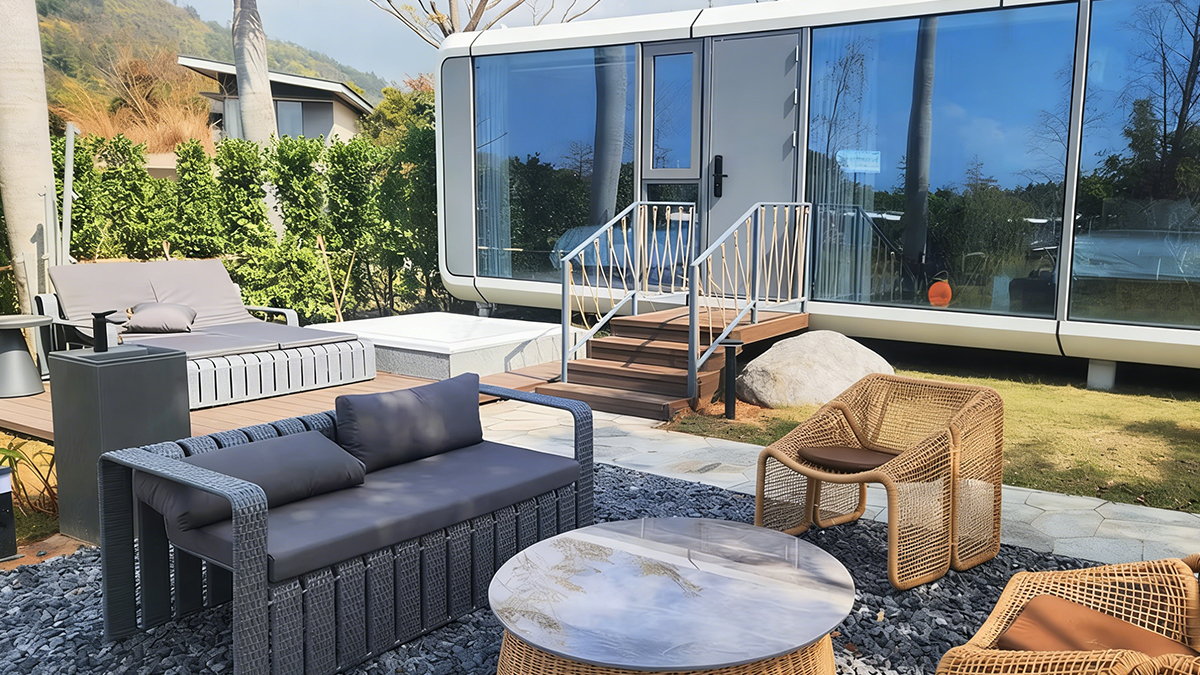
Capsule houses use space in smart ways. You get enough room to sleep, shower, and cook. This style helps you keep things simple and neat. Many capsule homes are made in factories and have layouts that fit what you need. Open floor plans mean fewer walls, so you can move around easily. Furniture like sofa beds and foldable tables lets you use one spot for many things. Shelves on walls and loft beds give you more storage without taking up floor space. Big windows and shiny surfaces let in light and make the home look larger.
-
Open floor plans help air move and make you feel comfy.
-
Furniture that does more than one job helps you switch tasks.
-
Shelves and beds that use wall space keep things tidy.
-
Large windows and shiny things make rooms look bigger.
Built-In Utilities
Capsule houses have built-in utilities to make life simple. You might see solar panels that save energy and money. Rainwater systems help you use water from nature. Most prefab homes have water, electricity, heat, and wifi, so you can live on your own. Some capsule homes have battery systems and solar monitors. Smart technology lets you control your home, even when you are away. Some capsule houses make their own power, so you do not need outside help.
Capsule houses give you smart ways to live today. You get comfort, freedom, and earth-friendly features in one home.
Customization
You can pick the capsule house that fits your life. Prefab homes let you choose what matters most to you. Some capsule houses look simple but work well and look nice. Capsule flats have private kitchens and bathrooms for one person or a small family. Green capsule houses use earth-friendly materials and tech to help the planet. Portable capsule homes can be moved and set up again if you need to change places.
|
Features |
|
|---|---|
|
Minimalist Capsule House |
Looks nice and works well, saves space and looks good. |
|
Capsule Flats |
Small homes with private kitchens and bathrooms, good for one or a few people. |
|
Sustainable Capsule House |
Uses green tech and materials, helps the environment. |
|
Portable Capsule Homes |
Easy to move and set up again for short stays. |
When you pick a capsule house, think about size, layout, utilities, and how you want it to look. Capsule houses give you choices to fit your needs and help you live well.
Benefits and Challenges
 Affordable Living
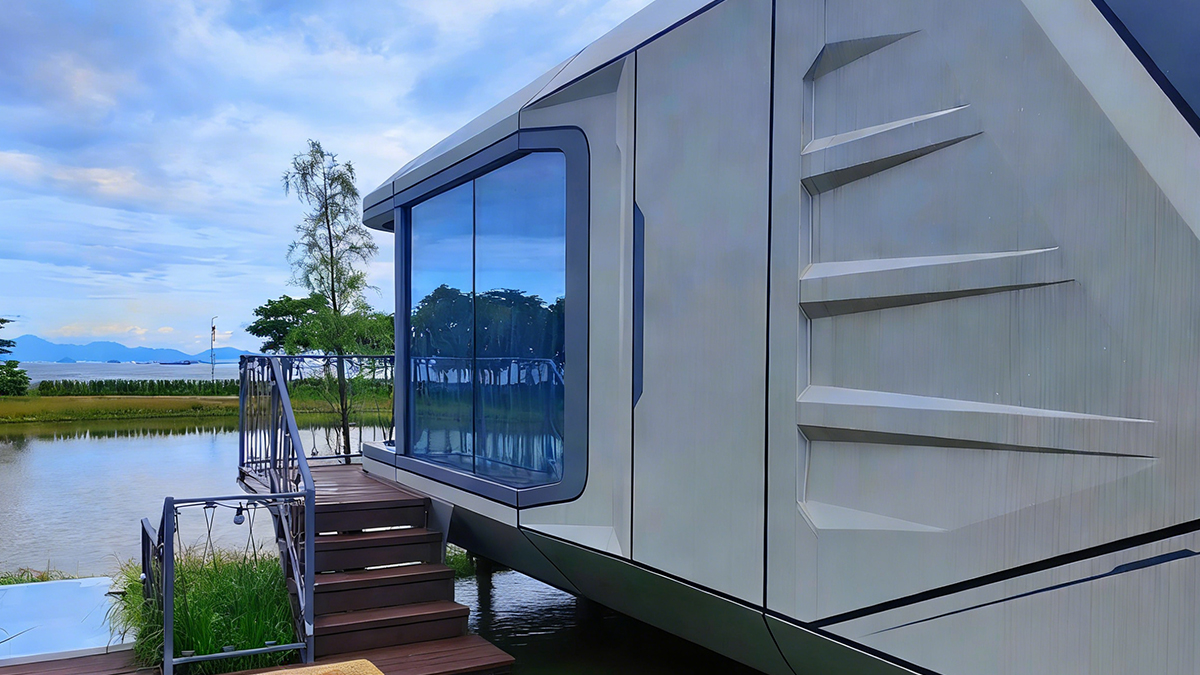
Capsule houses let you live in a nice way for less money. You save on building and daily costs. Factories make parts, so building is cheaper and easier to plan. These homes use less energy, so your bills are lower. Small size means you pay less for heat, air, and repairs. You can pick off-grid options to save even more and control your spending.
|
Financial Advantage |
Description |
|---|---|
|
Capsule houses may have reduced energy expenses due to their energy-efficient design. |
|
|
Opportunity for off-grid living |
Living in a capsule house can allow for independence from traditional utility services. |
|
Reduced maintenance and utility costs |
The compact nature of capsule houses typically leads to lower overall maintenance and utility expenses. |
You get a fancy home without paying a lot. Factory-made homes help you skip extra costs. You can spend money on things you care about, like comfort and style. Capsule homes make it possible for more people to live well for less.
Sustainability and Minimalism
Capsule houses help you live green and simple. You use less power and make less trash. Factories use fewer materials, which is good for the earth. You can add solar panels or rainwater systems to make your home even greener. These homes save energy, so you help the planet and your wallet.
-
Capsule houses help you feel less stress and enjoy life more.
-
They make you focus on doing things, not buying things.
-
Living small gives you more control over your space.
-
This way of life helps you notice and enjoy simple things.
You learn to live with less stuff and enjoy what you have. A simple home is easy to keep clean and neat. You can focus on comfort and saving energy, so your home feels calm. Capsule homes show you that you can have both luxury and care for the earth.
Space and Privacy
Capsule houses use smart ideas to make small spaces work well. You get a cozy home that fits your needs. Factory layouts use furniture that does more than one job and open spaces to help you do more. You can sleep, cook, and relax in one place. Special walls and materials help keep things quiet, even in busy places. You get spots for sleeping, eating, and working, so your home stays neat.
Capsule houses can be hard if you want lots of space or privacy. You might not be alone all the time, but you still get some privacy. Good materials make your home strong and comfy. You get a space that feels private and works well.
-
Capsule houses use small designs to give you more room.
-
Quiet walls help you have more privacy.
-
Sharing space with others can be hard, so smart design helps.
You can have a nice home in a small area. Factory building helps you use space and money wisely. You might have problems like noise or not enough privacy, but smart ideas can fix these.
Regulations
People who own capsule houses have to follow many rules in cities. You need to know about zoning, building codes, and land rules. These rules tell you where you can put your home and how to build it. Factory-made homes must be safe and follow local laws.
|
Regulatory Hurdles |
Description |
|---|---|
|
Regulations that dictate where capsule homes can be located in urban areas. |
|
|
Building Codes |
Standards that must be met for the construction and safety of the homes. |
|
Land Use Restrictions |
Limitations on how land can be used, affecting the installation of capsule homes. |
You need to plan your money and building to follow the rules. Rules can slow down your project or make it cost more. Always check local laws before you start building. Capsule houses have many good things, but you need to know the rules in your area.
Tip: Always check local rules before you buy or build a capsule house. This helps you avoid problems and keeps your budget safe.
Capsule houses give you a cheap, green, and simple way to live. You get comfort and style without spending too much. Think about space, privacy, and rules before you choose this kind of home. Factory building and saving energy help you keep more money and live better.
Capsule Houses vs Dome Homes
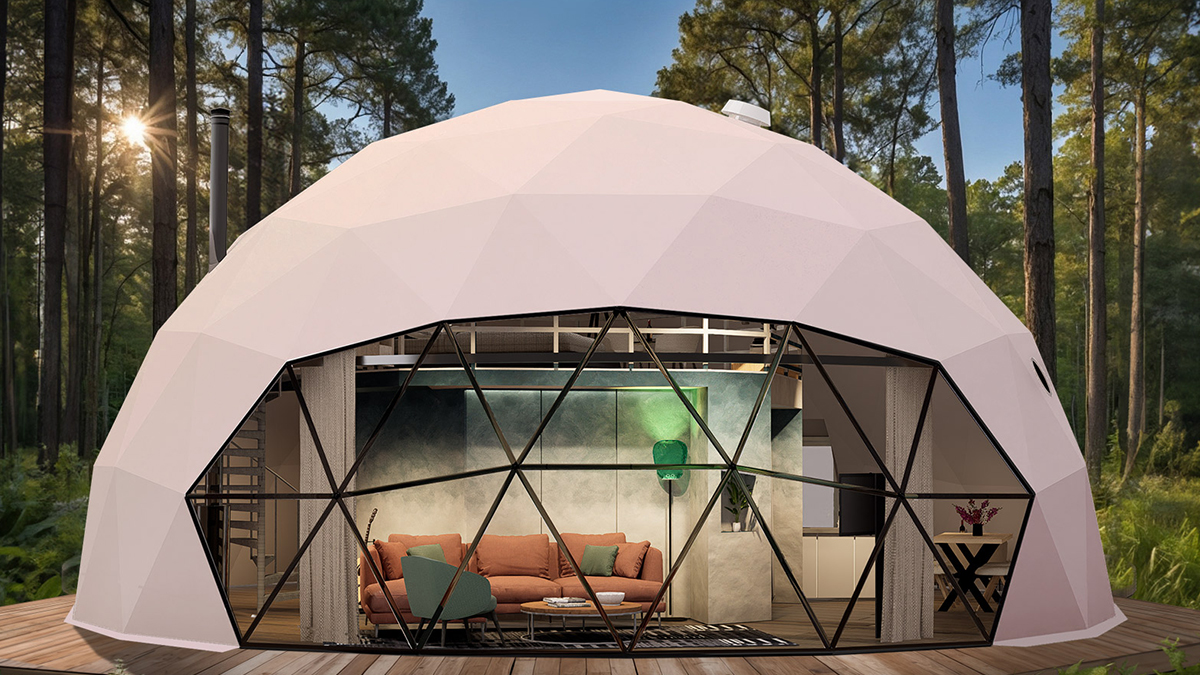 Design Differences
You can spot the difference between capsule and dome homes right away. Capsule homes look like small, rectangular or rounded boxes. They often stack or line up in rows. Each capsule gives you a private space with everything you need. You might see a bed, a bathroom, and a kitchen inside one unit. Dome homes have a curved, round shape. The walls and roof form a single arch. This design makes dome homes strong and helps them stand up to wind and snow. Capsule homes use flat walls and straight lines, which makes them easy to build in factories. Dome homes use curves, so builders need special tools and skills.
|
Feature |
Capsule Home |
Dome Home |
|---|---|---|
|
Shape |
Box-like or rounded capsule |
Curved, round dome |
|
Construction |
Prefab, modular |
Custom, often on-site |
|
Space Use |
Compact, efficient |
Open, airy |
Sustainability Comparison
You might wonder which home is better for the planet. Dome homes stand out for energy savings. Their round shape keeps heat inside during winter and cool air in during summer. This means you use less energy for heating and cooling. The smooth surface lets air flow around the house, which lowers your bills. Builders can use green materials for dome homes, which helps the earth even more. Capsule houses also help the environment. Factories make each capsule with less waste. You can add solar panels or rainwater systems to your capsule. Still, dome homes usually save more energy because of their shape and insulation.
Note: Dome homes often cost less to run because they use less energy. Capsule homes help the planet by using fewer materials and making less waste.
Living Experience
Living in a capsule feels different from living in a dome home. You get a private, cozy space in your capsule. The layout gives you a spot for sleeping, cooking, and relaxing. You can move your capsule or add more units if you need extra room. Dome homes give you a big, open space with high ceilings. The round walls make the inside feel larger and brighter. You might hear less noise in a dome home because the shape spreads out sound. Capsule homes work well in cities where space is tight. Dome homes fit best in open areas where you can enjoy the view.
-
Capsule homes give you privacy and flexibility.
-
Dome homes offer open space and quiet living.
-
You can choose the style that fits your life best.
Pricing and Providers
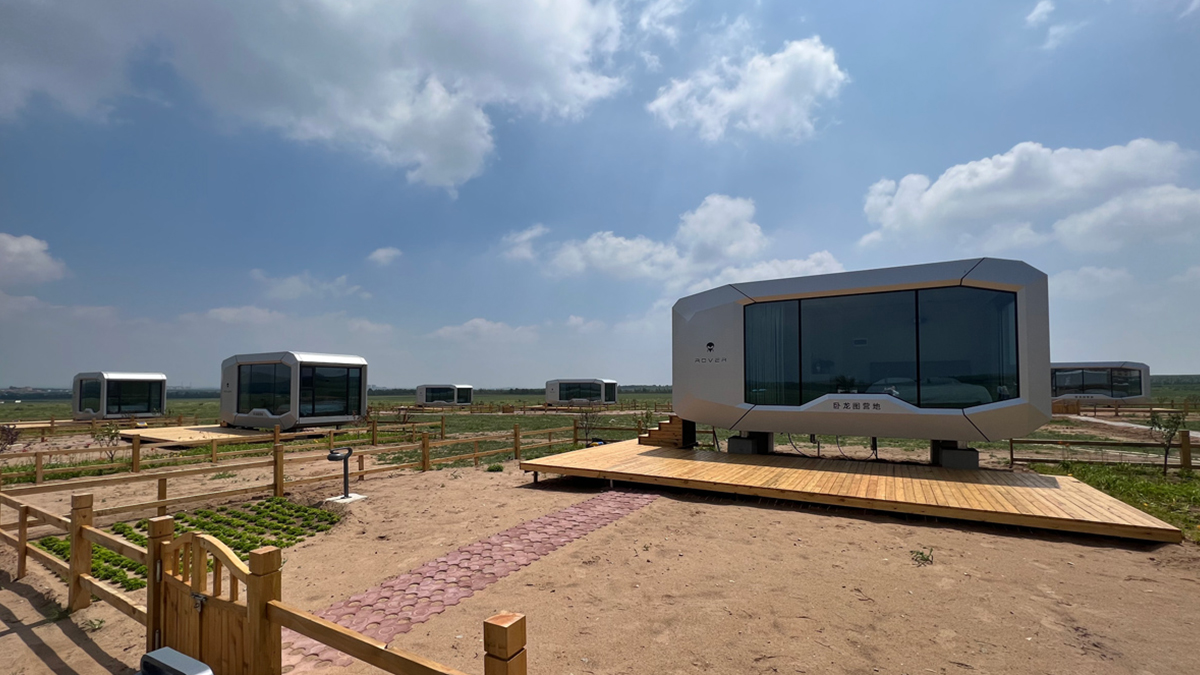 Capsule House Price Range
Capsule houses come in many prices. The price changes with size, features, and where you put it. Some start at $12,000, but fancy ones can cost $140,000 or more. If you want a mobile capsule, you might pay as little as $700. In the Philippines, luxury capsule houses cost between $3,300 and $3,500. Fancy prefab capsule houses cost from $25,000 to $45,000. Capsule houses usually cost less than regular homes because factories make most parts.
|
Model Description |
Price Range (USD) |
|---|---|
|
Basic Capsule House |
$12,000 and up |
|
Premium Capsule House |
$140,000 or more |
|
Luxury 20Ft 40Ft Mobile Capsule House |
$700-899 |
|
Prefabricated Space Capsule House |
$720-780 |
|
Luxury Capsule House in Philippines |
$3,300-3,500 |
|
Mini High-End Prefabricated Capsule House |
$25,000-45,000 |
Tip: Pick prefab models if you want to save money on building your capsule house.
Market Trends
More people want capsule houses now. They like the low price and smart use of space. The market grows because new tech makes capsule homes better. Solo travelers and young people like easy booking and moving in. In 2023, solo travelers made up over 85% of buyers. Generation Y had more than 45% of the market. Asia-Pacific countries are growing fast, and many still book in person.
-
Capsule apartments are growing quickly in big cities.
-
Almost half of large cities need cheaper homes, so capsule houses get noticed.
-
About 35% of companies add smart tech to make living easier.
-
40% of new capsule homes use green materials and save energy.
-
Companies that fix noise and wetness problems do well.
-
You will see more smart features and green materials in new capsule houses.
Capsule Castle Offerings
Capsule Castle has many capsule house models. You get your house fast and can put it together easily. Their modular systems do not need heavy bases, so you save time and money. Capsule Castle uses safe, strong materials that last a long time. You can choose custom designs, solid wood, and green materials. The price per square foot is $180 to $220. This is more than some other brands, but you get better quality and no waste. Delivery takes 45 to 60 days, which is faster than most others.
|
Feature |
Capsule Castle |
Competitors |
|---|---|---|
|
Service & Export |
Fast, standardized FOB |
Slow, agent-based |
|
Assembly Efficiency |
Modular, quick setup |
Long, engineer-dependent |
|
Shipping |
High container use |
Higher damage risk |
|
Delivery Speed |
45–60 days |
80–100+ days |
|
Product Configuration |
True modular systems |
Limited customization |
|
Structural Quality |
Certified, long lifespan |
Material downgrades |
|
Design Experience |
Landmark architecture |
Generic forms |
Capsule Castle is known for good quality, fast service, and happy customers. You get a capsule house that fits you and lasts a long time. Their focus on modular building and green choices makes them a top pick.
Capsule houses are a smart way to live in the city. They use good materials and save energy with new technology. These homes are built strong so they last a long time. Space-saving designs and smart tech make each capsule comfy and easy to use. You get privacy, safety, and can change things for your life today. Capsule Castle has models with kitchens, bathrooms, and special features you can pick.
|
Next Steps |
What You Should Do |
|---|---|
|
Research providers |
Look at different models and what they have |
|
Review costs |
Check prices, delivery, and how to set up |
|
Plan your purchase |
Ask for prices and get your place ready |
Look at capsule house choices to find what works best for you.
FAQ
What is the average size of a capsule house?
Most capsule houses range from 100 to 400 square feet. You get enough space for sleeping, cooking, and relaxing. The design uses every inch well, so you do not feel cramped.
Can you customize your capsule house?
Yes, you can choose layouts, colors, and features. Many companies let you pick kitchen styles, bathroom setups, and storage options. You can make your capsule house fit your needs.
Are capsule houses safe in bad weather?
Capsule houses use strong materials like steel and insulated panels. You stay safe during storms, heavy rain, or wind. Many models meet strict safety codes for earthquakes and fire.
How long does it take to build a capsule house?
You can get your capsule house in 45 to 60 days. Factories make most parts before delivery. On-site assembly takes only a few days, so you move in quickly.
Do capsule houses need special land or permits?
Always check local rules before you buy land. Some cities have zoning laws or building codes for small homes. You may need a permit to place your capsule house.