

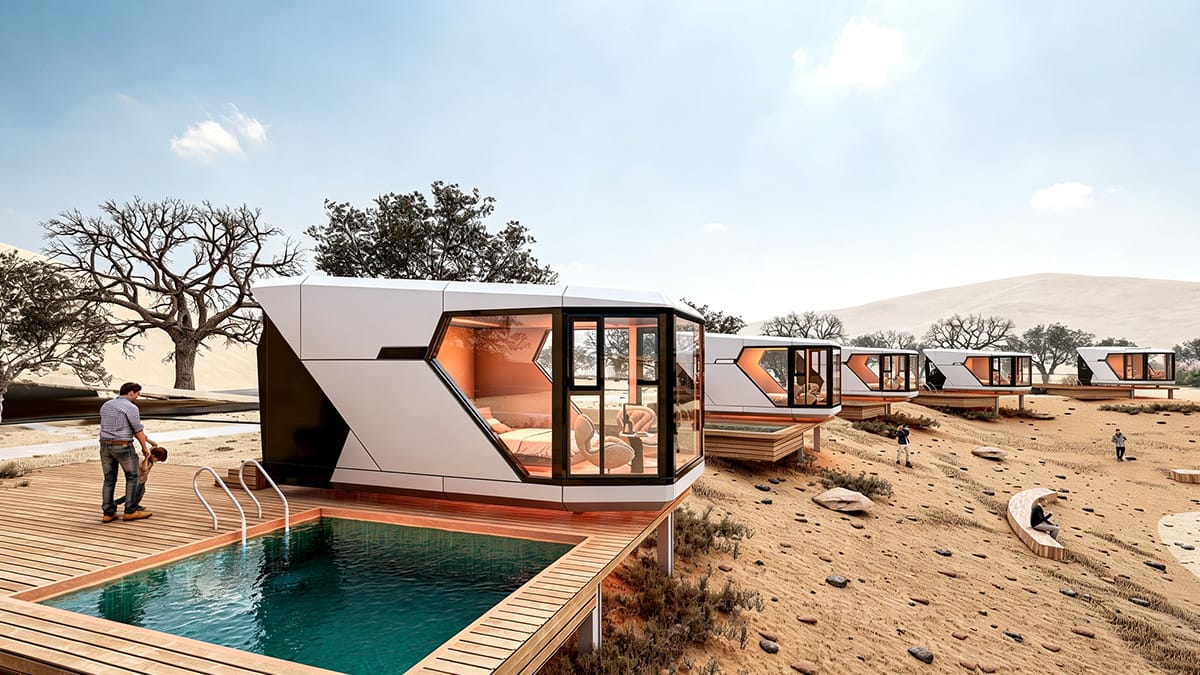
07 Feb Complete Capsule House Guide to Legal Requirements in the USA
Capsule and dome homes can be legal in the USA, but you must follow local building codes and zoning laws. Your city or county may have rules about permits, house size, and where you can build. You need to check these rules before starting your project. This capsule house guide helps you understand what you need for a smooth and legal building process.
Key Takeaways
Look at local building codes before you start your capsule or dome home. These codes help keep people safe and make sure you follow rules.
Learn about zoning laws in your area. These laws tell you where you can build and what you can build. They also set limits on size and design.
Get all the permits you need before you build. This means building permits and any other permits for things like water and power.
Keep up with local rules. Laws can change, so check with local leaders often for new updates.
Talk to local officials and experts. They can give you advice and help you build your home the right way.
Capsule House Guide: Are They Legal in the USA?
Key Legal Factors
You might ask if you can build capsule or dome homes near you. The answer depends on a few important legal things. This capsule house guide will show you what to check before you build.
Building Codes: You have to follow building codes in your city or county. These codes are rules for safety, structure, and design. They include things like wiring, plumbing, and fire safety. If you do not follow these codes, you cannot get your project approved.
Zoning Laws: Zoning laws tell you where you can build capsule or dome homes. Zoning rules can limit the size, height, and use of your home. Some places only allow single-family homes. Other places may let you build tiny homes or different designs.
Permits: You need permits before you start building. Permits show your plans meet local codes and zoning rules. You might need extra permits for electrical, plumbing, and other work.
Inspections: Inspectors will check your building at different times. They make sure you follow all codes and zoning laws. You must pass these inspections to finish your home.
Tip: Always talk to your local building department before you buy land or start building. They can explain the codes and zoning rules for capsule and dome homes.
Local Variations and Restrictions
Rules for capsule and dome homes can change in different places. This capsule house guide explains why you must check local laws before you build.
Zoning Differences: Every city or county has its own zoning map. Some places like unique homes, but others do not. For example, rural areas may have fewer zoning rules. Cities often have strict zoning for homes.
Size and Use Limits: Zoning laws can set the smallest or biggest size for homes. Some places do not allow small capsule homes. Others may let you build a dome home if you follow special rules.
Neighborhood Rules: Homeowners associations (HOAs) can make extra rules for homes. They may not allow dome shapes or different designs. Always check HOA rules before you plan your building.
Off-Grid Living: Some people want to build capsule or dome homes off the grid. Zoning laws may say you must connect to water, sewer, or power. You must ask about these rules before you start.
Legal Factor | What to Check For | Who to Contact |
|---|---|---|
Building Codes | Safety, structure, design | Local building department |
Zoning Laws | Location, size, use | City or county office |
Permits | Approval for construction and utilities | Permit office |
HOA Rules | Design and use restrictions | HOA board |
Note: This capsule house guide cannot list every local rule. Always look up your area’s codes and zoning before you start building.
If you follow this capsule house guide, you can avoid legal trouble and build your dream dome or capsule home. You must check all codes, zoning laws, and permit rules before you start building. This will help you save time and money.
What Is a Capsule or Dome Home?
Capsule House vs. Dome Home
You might wonder what makes a capsule house different from a dome home. A capsule house looks like a small pod or tube. You often see capsule houses used for tiny living or as extra guest spaces. They have a simple shape and usually fit one or two people. You can move a capsule house more easily than a dome home.
A dome home has a round, curved shape. Builders use strong materials to create the dome. You see dome homes in many places because they stand up well to wind and snow. The most famous type is the geodesic dome. This design uses triangles to make the dome strong and light. You can build a dome home in many sizes, from small shelters to large family houses.
Both capsule houses and dome homes offer unique styles. You choose a capsule house for quick setup and small space. You pick a dome home for strength and energy savings. The dome shape helps keep the inside cool in summer and warm in winter.
Note: You need to know the difference between a capsule house and a dome home. Local rules may treat each type differently when you apply for permits.
Common Features and Uses
Capsule houses and dome homes share some features. You often see them built with eco-friendly materials. Many people use them for off-grid living. You can set up a dome home in rural areas or use a capsule house as a backyard office.
Here is a table showing features that affect legal status:
Feature | Impact on Legal Status |
|---|---|
Zoning Laws | Zoning rules change from place to place. They decide if you can build a dome home or capsule house. |
Permitting | You must get permits before you build. This adds time and cost to your dome home project. |
You need to check legal definitions before you start building. Cities and counties use these definitions to decide if you can build a dome home or capsule house. If you use a geodesic dome design, you may need special approval. Some places have rules for the size and use of your dome home. You must follow these rules to avoid problems.
You see dome homes used for family living, vacation rentals, and emergency shelters. Capsule houses work well for tiny homes, guest rooms, or studios. You choose the type that fits your needs and local laws.
Zoning Laws and Land Use
 Residential Zoning Basics
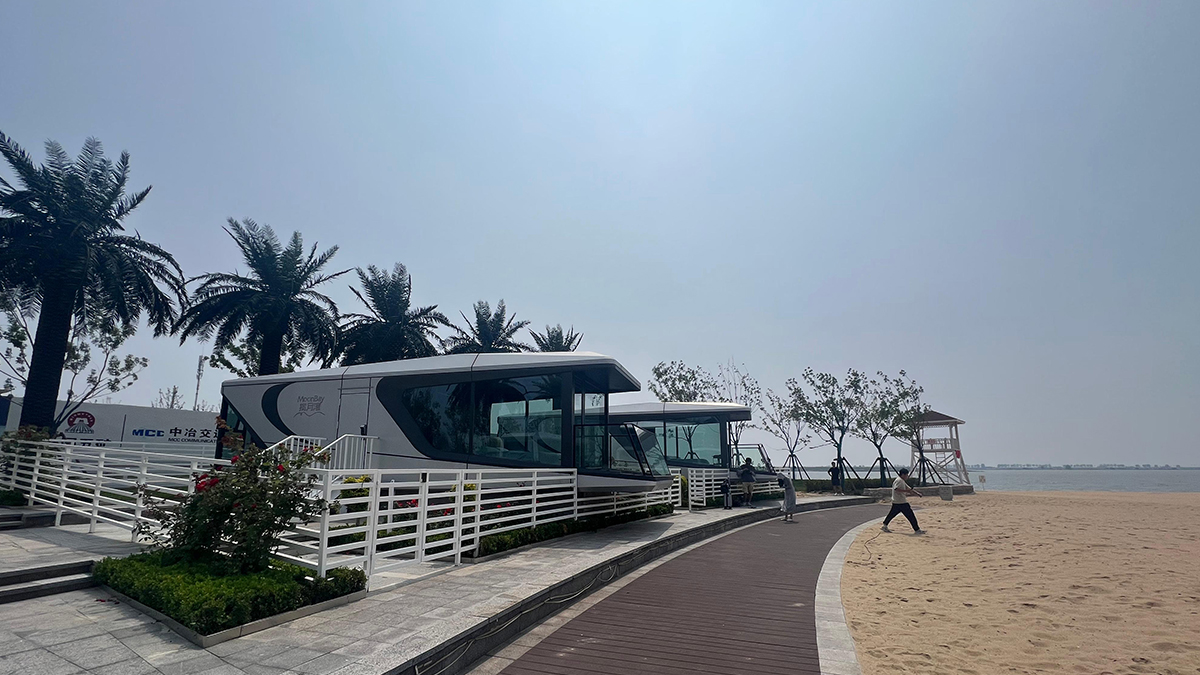 Residential Zoning Basics
You should learn how zoning rules affect your home project. Zoning decides where you can build a dome or geodesic dome. Each city and county uses zoning to split land for homes, stores, and other things. Zoning laws help keep neighborhoods neat and safe. You need to look at your area’s zoning map before building. Some places let you build single-family homes. Others allow dome or capsule houses. Zoning codes tell you what type of home you can build and where it can go.
Tip: Go to your local zoning office and ask about rules for dome homes and geodesic dome buildings.
Zoning rules also say how close your dome can be to streets or other buildings. There are setback rules. These rules say the least distance from your property line. Zoning codes may limit how many homes you can put on one lot. You must follow these rules to get your building approved.
Size and Structure Limits
Zoning rules set limits for the size and shape of your dome or capsule house. You need to know the smallest and biggest square footage allowed. Some zoning codes do not let you build tiny homes or small domes. Other places allow geodesic domes if you follow the size rules.
You must check the height rules for your dome. Zoning often sets the tallest height for homes. If your dome is too tall, you cannot build it. You also need to look at footprint rules. These rules say how much space your dome or capsule house can cover on your land.
Many people want to build dome homes off the grid. Zoning rules may make you connect to water, sewer, or power. Some places do not let you build off-grid homes. You must ask about these rules before you start building your geodesic dome or capsule house.
Here is a table to help you learn about zoning rules for dome and capsule homes:
Zoning Rule | What to Check | Who to Contact |
|---|---|---|
Lot Size | Minimum and maximum allowed | Zoning office |
Height Limit | Maximum dome height | Zoning department |
Footprint | Area covered by construction | Local planning board |
Off-Grid Rules | Utility connection required | Zoning regulations team |
You must follow all zoning rules and codes for your dome or capsule house. This helps you avoid trouble when building and keeps your project legal.
Building Codes for Dome and Capsule Homes
National and Local Codes
You have to follow building codes when you build. These codes help keep homes safe and strong. National codes give basic rules for building. Local codes add more rules for your city or county. You need to check both before you start building.
Local codes can be different from national ones. Some cities and states make special rules for small homes. Texas and California sometimes have easier codes for tiny houses. New York and Massachusetts use stricter rules. Local governments make their own codes. You should always ask your local office about the rules.
Here is a table that shows how rules change in different places:
Location | Key Rules and Requirements |
|---|---|
Spur, Texas | Must be on foundation, connect to utilities, no wheels, max size < 900 sq ft, permits needed |
Fresno, California | Allowed as accessory units, lot size limits, must be immobile, safety standards apply |
Walsenburg, Colorado | Variances for homes < 500 sq ft, must be permanent in residential zones |
Gold Beach, Oregon | Size 200-600 sq ft, must connect to sewer, allowed on same lot as main house |
You can see that codes change from place to place. Always ask your local building department for the newest rules.
Some places want you to connect to water and power.
Other places let you build smaller homes if you follow their codes.
Permit and Inspection Process
You need permits before you start building. Permits show your plans meet all codes and safety rules. You must give drawings of your dome or capsule house. Inspectors use these plans to check your work.
Inspectors visit your site while you build. They look at your foundation, wiring, and plumbing. You must pass each inspection to keep building. If you do not follow the codes, you may need to fix your work or stop building.
Keep all your paperwork and follow your local office’s rules. This helps you avoid delays and extra costs. Good planning makes your dome or capsule house safe and legal.
Tip: Always talk to your local building department before you start. They can tell you which codes and rules you must follow for your project.
Dome Home Building: Permits and Approvals
Types of Permits Needed
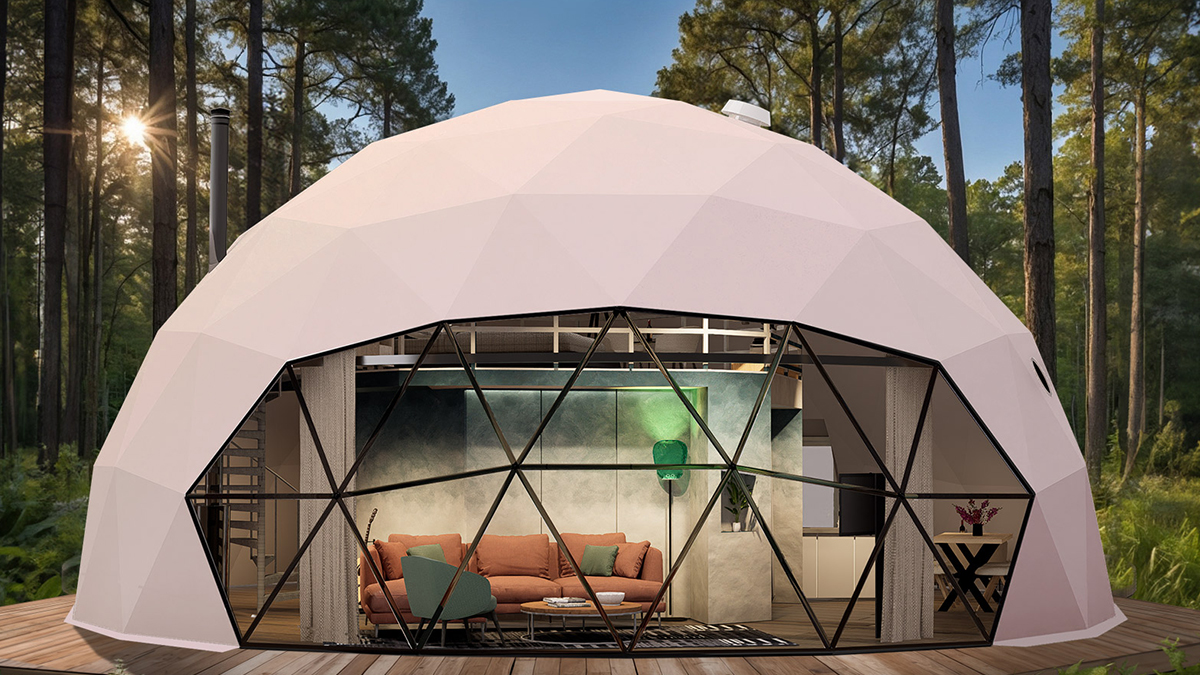 Types of Permits Needed
When you start dome home building, you need to understand the different permits required. Every city and state has its own rules for dome home building. You must check with your local office before you begin. Most places require a building permit for dome home building. This permit shows that your dome home building project meets safety and design standards. You may also need a planning permit if your dome home building site is in a special zone.
The type of permit you need depends on several factors. The table below shows what you should check before you apply for a building permit for dome home building:
Factor | Description |
|---|---|
Local Building Codes | Rules change by state and city. Always check before dome home building. |
Design | Deck or permanent foundation affects the building permit for dome home building. |
Location | Distance from property lines can change the building permit needs. |
Size | Bigger dome home building projects need a building permit. |
Property Restrictions | Some places limit how many dome home building projects you can have. |
You need a building permit for residential, rental, and public dome home building. Local rules can change, so always research dome home building requirements. Some cities ask for extra engineering studies for dome home building. These studies help show that your dome home building will be safe.
Working with Local Authorities
You must work closely with local authorities during dome home building. They help you understand the building permit process. Local officials want your dome home building to follow all codes. They check if your dome home building can handle wind, snow, and earthquakes. They also look at past dome home building projects to see what works.
When you apply for a building permit for dome home building, you need to give certain documents. The table below lists the most common documents for dome home building:
Document Type | Purpose |
|---|---|
Engineer-Stamped Ratings | Shows your dome home building meets safety rules. |
Fire Testing Data | Proves your dome home building is safe from fire. |
Detailed Build Plans | Gives exact details for your dome home building project. |
You may need more documents for dome home building if your city asks for them. Local authorities want to help you succeed with dome home building. They answer questions about the building permit and planning permit process. They make sure your dome home building is safe and legal.
Tip: Always keep copies of your dome home building documents. This helps you if you need to show proof during inspections.
Local authorities want dome home building projects to last a long time. They use building codes to protect you and your community. If you follow the rules for dome home building, you can finish your project without problems.
State-by-State Legal Overview
States with Favorable Laws
Some states make it easier to build capsule or dome homes. These states have more flexible state regulations. Texas, Oregon, and Colorado are good examples. In Texas, you can build small homes in rural places if you follow local rules. Oregon lets you build tiny homes and dome homes in some counties. Colorado has towns that like alternative housing. Always check state regulations before you start your project.
Here is a table to help you see which states support unique homes:
State | Why It’s Favorable |
|---|---|
Texas | Rural areas have fewer regulations |
Oregon | Some counties allow tiny homes |
Colorado | Towns support dome homes |
Tip: You should call your local office to ask about state regulations and local rules. This helps you avoid problems.
Finding Local Regulations
You need to look up the rules in your area. State regulations are a good place to start, but local rules are most important. Each city or county has its own building rules. You should visit your city’s website or call the planning office. Ask for a list of rules for capsule or dome homes. You can also find zoning maps and building codes online.
Follow these steps to find the right rules:
Search for your city or county’s official website.
Look for a section about building or zoning rules.
Call or email the planning department for help.
Ask about state regulations and how they affect your project.
Note: Rules can change often. You should check for updates before you build.
You must follow all rules to keep your project legal. If you skip this step, you might get fined or have to stop building. Careful research helps you build your capsule or dome home with confidence.
Common Challenges and Solutions
HOA and Community Rules
 HOA and Community Rules
Your homeowners association, called the HOA, or your community can have rules. These rules are often very strict. Many HOAs do not let people build dome homes or capsule houses. They want all the houses to look alike. You need to read your HOA rules before you start building. Some HOAs have rules about the color, shape, and size of your house. They may also say where you can put your home on your land.
To get a permit for a capsule house, you must give detailed plans to the local office. You also pay fees and have inspections. Everything must follow local rules so your house is legal.
You should talk to your HOA board before you buy land. Ask if you can build a dome home or capsule house. If you break the rules, the HOA can stop your project. You might have to pay money or even take down your home. You can ask neighbors if they built special homes. They might give you tips for working with the HOA.
It is smart to talk to local officials or legal experts. They can help you understand the rules. This makes building your home easier and helps you follow the law.
Off-Grid and Utility Issues
Many people want to live off the grid in a dome home or capsule house. You might want to use solar power or collect rainwater. Some cities and counties do not let people live off the grid. They may make you connect to water, sewer, and power. You must check the zoning rules in your area. Zoning laws can stop you from building off-grid homes. You need to know if your land is in a zone that allows off-grid living.
Building codes and zoning laws are big challenges for dome and capsule home builders. You must follow the International Residential Code or International Building Code. Local offices have their own rules too. You also need drawings from a licensed engineer to get a permit.
You can fix some utility problems by using modular systems. These systems help you set up your home fast. You do not need heavy foundations. You can use eco-friendly systems for water and power. Some capsule house makers have ISO, CE, or SGS certifications. These help you get insurance and follow local rules.
Evidence Type | Description |
|---|---|
Certifications | Capsule makers should have ISO, CE, or SGS certifications. These help with insurance and legal use. |
Installation Process | Modular building-block systems let you install homes quickly. You need less work and no heavy base. |
You should always check the zoning rules before you build. Zoning laws are different in every place. You must follow all zoning rules to stay out of trouble. If you have questions, talk to your local zoning office. They can tell you what you need to do.
Local zoning laws can limit where you build capsule houses. You must know these rules to avoid legal trouble when building.
Installation Method | Description |
|---|---|
Standardized Systems | Needs professional teams and concrete foundations. |
Modular Systems | Lets you build fast with less work and no heavy base. |
You can make your project easier if you plan ahead. Keep all your papers and talk to local experts. This will help you finish your home and follow all zoning rules.
Tips for a Successful Capsule House Project
Preparing Your Application
You can make your capsule house project easier by preparing your application carefully. Start by choosing the right spot for your home. Pick a location with a flat, stable surface. Make sure it is close to water, power, and other utilities. Stay away from flood zones or risky areas.
Next, gather all the tools and materials you need. You should have foundation supports, construction tools, and the parts from your capsule house manufacturer. Wear protective gear to stay safe during work.
You must get all the permits before you build. Visit your local building office to ask about building permits and zoning approvals. Bring your plans and any documents they need. This step helps you avoid delays and problems later.
Create a checklist before you start building. Write down each task, such as preparing the site and connecting utilities. Check off each item as you finish it. This keeps your project on track.
Learn about your local laws and rules. Read the zoning laws, building codes, and safety rules for your area. If you know the rules, you can avoid mistakes and keep your project legal.
Tip: Keep all your papers and permits in one folder. This makes it easy to show them during inspections.
Staying Informed
You should stay updated on rules and building codes. Local laws can change, so check for updates often. Visit your city or county website for news about building rules. You can also sign up for email alerts from your local building department.
Talk to local officials if you have questions. They can explain new rules or help you with your application. Join online groups or forums for capsule house owners. You can learn from others and share your own tips.
If you keep learning and stay organized, you will have a better chance of building your capsule house without trouble. Careful planning and good records help you finish your project safely and legally.
You need to think about safety all the time when building a capsule or dome home. First, look up your local safety rules. Go talk to your local building office about safety standards. Make sure your building plans follow all safety codes. Ask for engineering reports that show your home is safe. Pick designs that work well with utility hookups for safety. Always obey zoning laws to keep things safe. Keep your papers ready for safety checks. Work with experts who know the safety rules. Stay up to date on any new safety changes in your area. Pick building materials that make your home safer. Do not skip any steps that help keep you safe.
Local rules can change, so check safety needs often.
Talk to local officials to learn about safety codes.
Get engineering reports to prove your home is safe.
Make sure your home connects to utilities for safety.
Building codes and zoning laws help keep you and your neighbors safe. Take time to learn the rules and ask experts if you need help. Start your permit process early so your project stays safe and legal.
FAQ
Can you live full-time in a capsule or dome home?
Yes, you can live full-time in a capsule or dome home if you follow all local building codes and zoning laws. Always check with your city or county before you move in.
Do capsule and dome homes need foundations?
Most cities require a permanent foundation for capsule and dome homes. You should ask your local building office about foundation rules before you start building.
How do you get utilities for a capsule house?
You connect to water, sewer, and power like a regular house. Some areas let you use solar panels or composting toilets. Always ask your local office about utility rules.
Are capsule and dome homes safe in storms?
Dome homes often stand up well to wind and snow because of their shape. Capsule homes can be safe if you build them to code. Always use strong materials and follow safety rules.