

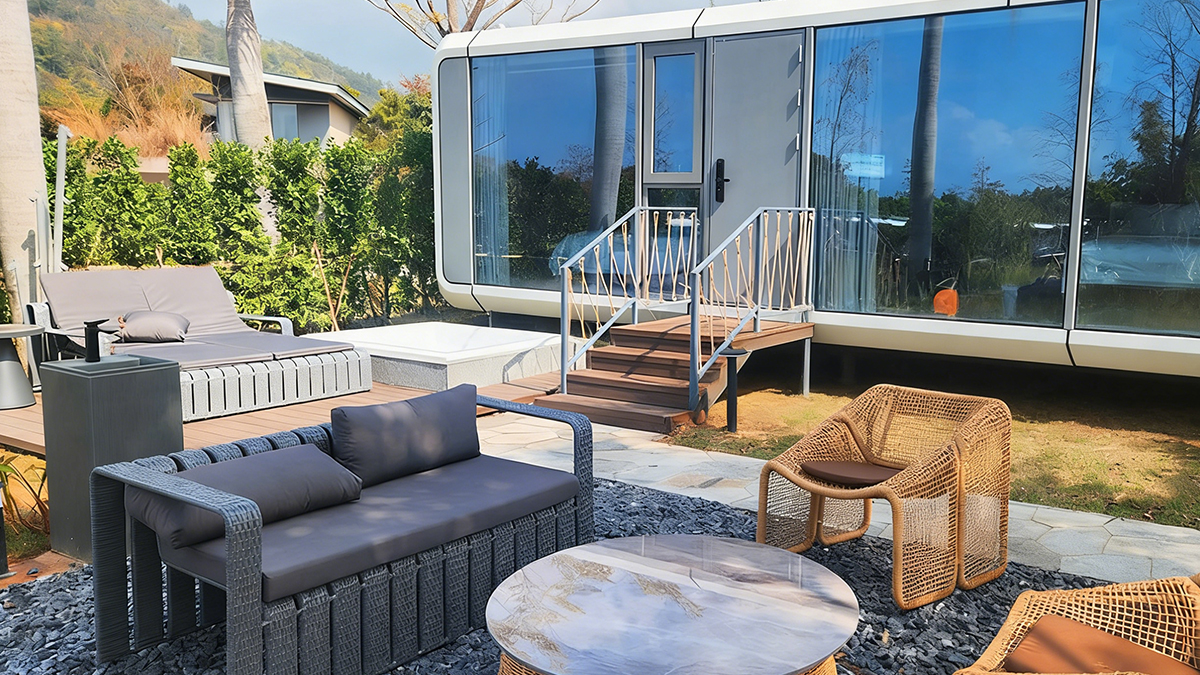
09 Feb What to Know About Soundproofing in Capsule Homes
Are capsule houses soundproof? You may ask if these small homes are quiet. Some capsule houses have sound insulation. This can lower noise by at least 55dB. It helps make life calmer in busy places.
Capsule houses also have smart home technology. They have sound insulation that lowers noise by at least 55dB. They have outside hydropower connections. These things make living there more modern and easy.
But, thin walls and open layouts can let noise in. This can change how comfortable and private you feel.
Because they are small, the walls are often very thin. They do not block noise well. The inside of a micro home is open. This may not give you the quiet you want. You might lose some privacy and alone time in a capsule home.
Key Takeaways
-
Capsule homes have sound insulation. This helps lower noise by at least 55dB. They are quieter than most apartments.
-
To make soundproofing better, seal gaps near doors and windows. You can use solid-core doors and triple-glazed windows too.
-
Soft things like rugs, curtains, and acoustic panels soak up sound. These things help keep your capsule home private.
-
Pick high-density foam or rock wool for stronger sound insulation. Make sure you install them the right way for best results.
-
Plan your capsule home’s layout carefully to keep noise low. Put soft furniture in smart places to help absorb sound.
Are Capsule Houses Soundproof?
What Soundproofing Means
You might wonder, are capsule houses soundproof? This question comes up a lot, especially if you want a quiet place to live. In most cases, space capsule houses use special walls that give you strong sound insulation. These walls can cut down noise by at least 55dB. That means you hear much less of the city sounds outside. If you live in a busy area, this makes a big difference.
But, you need to know the difference between sound insulation and soundproofing. Sound insulation means the walls and materials block a lot of noise, but not all of it. You still might hear some sounds from outside or from other rooms. Soundproofing, on the other hand, means stopping almost all sound from getting in or out. Most space capsule houses focus on sound insulation, not full soundproofing.
Here’s a quick way to see the difference:
-
Sound insulation in space capsule houses lowers noise by at least 55dB. This helps you feel calm inside, even if the outside is loud.
-
Soundproofing means you block almost every sound. Most capsule homes do not reach this level unless you add extra features.
So, are capsule houses soundproof? They do a great job with sound insulation, but you may need more steps for true soundproofing.
Typical Noise Issues
Even with good sound insulation, you might still notice some noise in space capsule houses. Thin walls and small spaces can let sounds travel easily. You may hear footsteps, voices, or even traffic if there are gaps or weak spots.
Let’s look at what can help you get closer to real soundproofing in your capsule home:
|
Method |
Description |
|---|---|
|
Seal gaps |
Use foam pads or putty to close gaps around outlets and small openings. |
|
Replace doors |
Swap hollow-core doors for solid ones to stop vibrations. |
|
Add curtains |
Hang thick curtains to absorb sound and reduce echo. |
|
Use rugs and furniture |
Place rugs and soft furniture to cut down on sound reflection and echo. |
|
Eco-friendly materials |
Try recycled polyester panels, cellulose insulation, or cork tiles. |
If you leave gaps or cracks, air leaks can cut your sound isolation by over 50%. That means even the best sound insulation will not work well if you do not seal everything. When you use complete acoustic enclosures, you can reduce distractions by more than 60%. This makes your space capsule house much quieter.
You may still ask, are capsule houses soundproof? The answer is, they offer strong sound insulation, but you need to add more features for full soundproofing. If you want a peaceful place, try sealing gaps, using thick curtains, and adding soft materials. These steps help you enjoy more privacy and comfort in your space capsule house.
If you live in a city, you will notice how much quieter your space capsule house feels compared to the outside. The sound insulation works well for most people. But if you want total silence, you need to think about extra soundproofing steps.
Sound Insulation Factors
 Wall Materials and Thickness
The walls in a capsule home are very important. The materials and how thick the walls are can change how much noise you hear. Many capsule homes use things like polyurethane foam or rock wool. Polyurethane foam can lower sound by up to 40dB. Rock wool, which is 80kg/m³, can stop 60-70% of sound waves. These materials help keep your home quiet.
Wall thickness is also important. Thicker walls block more noise from outside. Look at this table to see how it works:
|
Stud Type |
Stud Thickness (mm) |
Sound Insulation Performance (above 165 Hz) |
|---|---|---|
|
C-type |
0.53 |
Lower performance due to higher flexibility |
|
C-type |
1.22 |
Improved performance with reduced flexibility |
When walls are thicker, they block more noise. You will hear less from outside. If you want even better sound blocking, use double or triple-pane insulated glass or triple glazing for windows.
Doors, Windows, and Seals
Doors and windows can let noise in. Even if you use good materials, sound can get through small gaps. Here is a table that shows where sound can leak:
|
Common Leakage Points |
Description |
|---|---|
|
Doors and Windows |
Sound may leak through the gap between the window or door and the rough opening. |
You can fix this by sealing gaps with foam pads or weatherstripping. This helps keep your home quieter. Triple glazing on windows also blocks more noise.
Construction Quality
How your capsule home is built matters a lot. Good building means better sound insulation. Builders check the sound insulation at different times. They test it when designing, in mock-ups, and after building. If you want the best results, ask for careful work at every step.
You can add more sound-insulating materials, like foam, panels, or blankets. These soak up echoes and make your home calm. Some builders use green glue or damping compounds between walls for extra help. When you use these steps together, your capsule home will be much quieter.
Location and Layout Impact
 External Noise Sources
Where you put your capsule home changes how much noise you hear. If you live near a busy road or playground, you will hear more noise. Tall buildings can also make things louder inside. Cars, people, and weather all bring in noise from outside. How much noise you hear depends on what is happening outside and how your home is built.
Here’s a table that shows what affects indoor noise:
|
Key Findings |
Description |
|---|---|
|
Variability of Indoor Noise Levels |
Indoor noise levels change a lot based on outdoor noise and your home’s features. |
|
Influence of Family Dynamics |
More kids and more noise sources inside mean higher noise levels. |
|
Socio-Economic Status Impact |
Outdoor noise can be louder depending on where you live and your neighborhood. |
You can make your home quieter by using smart ideas. Try these steps:
-
Seal windows and doors with weatherstripping or soundproofing caulk. You can also use double-pane glass.
-
Hang heavy curtains or soundproof blinds to soak up noise.
-
Add carpets, wall hangings, or acoustic panels to stop noise from bouncing.
-
Put up tall fences, hedges, or shrubs outside to block noise before it gets in.
-
Use white noise machines or fans inside to cover up outside sounds.
If you pay attention to your area, you can make your capsule home quieter. Picking the right spot and making smart changes helps you control noise and enjoy more peace.
Internal Layout
How you set up your capsule home also changes noise. Good insulation in the walls keeps outside noise out and helps you keep your privacy. Some capsule homes use polyurethane insulation. This absorbs noise, keeps water out, and stands up to tough weather.
Check out this table to see how insulation and layout help with noise:
|
Feature |
Description |
|---|---|
|
Insulation Material |
Walls filled with insulation block outside noise and protect privacy. |
|
Polyurethane Insulation |
Absorbs noise, reduces sound, and keeps your home dry and safe. |
The way you arrange things inside matters too. If you put soft furniture like sofas and bookshelves in the right spots, they soak up noise and stop echoes. Rugs and acoustic dividers can block noise from busy walkways and make quiet spots. Here are some tips for setting up your space:
|
Recommendation |
Description |
|---|---|
|
Strategic Material Selection |
Use soft, different materials to stop noise from bouncing. |
|
Furniture Arrangement |
Place plush sofas and open bookshelves to absorb and spread out noise. |
|
Room Layout Planning |
Make quiet areas away from busy paths and use rugs or dividers to block noise. |
If you plan your room well, you can control noise and make your capsule home feel calm. Every choice, from where you put your home to how you set up your furniture, helps you fight noise and enjoy your space.
Improving Soundproofing
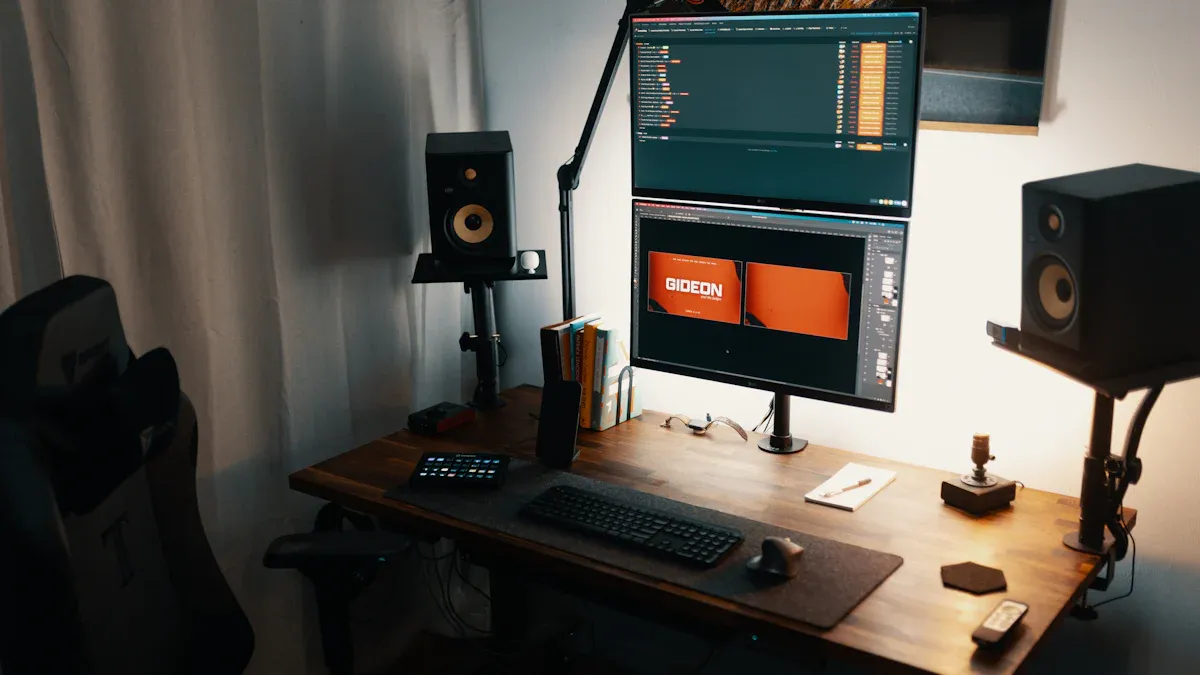
Upgrading Materials
You can make your capsule home quieter by using better insulation. Adding more layers of insulation helps a lot. In one test, a panel’s sound absorption went up from 0.15 to 0.58 with extra insulation. This means your home will be much quieter. Try using high-density foam or rock wool for better results. You can also get noise-proof doors and windows. These upgrades block outside sounds and make your home work better. Remember to seal every gap around doors and windows. This keeps noise out and helps insulation do its job. If you want the best results, focus on both insulation and sealing.
-
Put more insulation in walls and ceilings.
-
Get noise-proof doors and triple-glazed windows.
-
Seal all gaps around doors and windows.
Adding Sound-Absorbing Features
You can use sound-absorbing materials to make your home quieter. Soft things like foam, carpets, and fabric work well. They soak up echoes and help you hear people better. When you use both insulation and sound-absorbing materials, you get the best results. Curtains and soft furniture help too. Thick curtains, soft chairs, and rugs absorb sound waves. They stop sound from bouncing and lower noise. Put these items near windows and doors for better results. You will notice your home feels calmer and more private.
Tip: Use both insulation and sound-absorbing materials for the best results in your capsule home.
Everyday Noise Reduction Tips
You can lower noise every day with some easy habits. Put washing machines and dryers on mats that stop shaking. This makes them quieter. Keep your HVAC system working well so it does not get loud. Use headphones or turn down TVs and music, especially at night. When you buy new appliances, choose quiet ones for better results. These small changes help control noise and make your insulation work better.
|
Quick Tips for Less Noise |
|---|
|
Use rugs and carpets |
|
Hang thick curtains |
|
Arrange soft furniture |
|
Seal gaps and cracks |
|
Maintain appliances |
You can have a peaceful capsule home by using insulation, sound-absorbing materials, and smart daily habits. Every step you take makes your home quieter.
You want your capsule home to feel peaceful, even in a noisy city. Capsule houses use smart sound insulation that can cut noise by 55dB, making your space much quieter. The type of sound insulation, how you install it, and your home’s layout all change how much sound you hear.
-
Choose materials like mineral wool or acoustic foam for better sound control.
-
Add soundproof curtains, double-glazed windows, and solid-core doors to block sound.
-
Use landscaping and fences to stop outside sound from getting in.
Tip: Plan your build with sound in mind. Seal doors and windows, and pick quiet appliances.
You can control sound in your capsule home. Try these steps and enjoy a calm, private space.
FAQ
How quiet are capsule homes compared to regular apartments?
Capsule homes block more noise than most apartments. The insulation helps you have a calmer space. Even in a busy city, you will notice less noise.
Can you make capsule homes completely soundproof?
You can add more insulation and seal gaps to help. Capsule homes have strong sound insulation. You may still hear some sounds. Full soundproofing needs extra work.
What materials work best for soundproofing capsule homes?
Look for high-density foam, rock wool, or acoustic panels. These help block and absorb noise. Soft furniture and thick curtains also help make things quieter.
Do capsule homes need special windows or doors for noise control?
Yes, triple-glazed windows and solid-core doors help a lot. These upgrades keep outside sounds out. Sealing gaps around windows and doors makes a big difference.
Are capsule homes good for people who work from home?
Capsule homes give you a private space with less noise. If you work from home, you can focus better. Add sound-absorbing features to make it even quieter.
Tip: Put rugs and curtains in capsule homes to lower noise and make your workspace peaceful.