
09 Apr Why Glamping is Transforming the Hospitality Industry in 2026
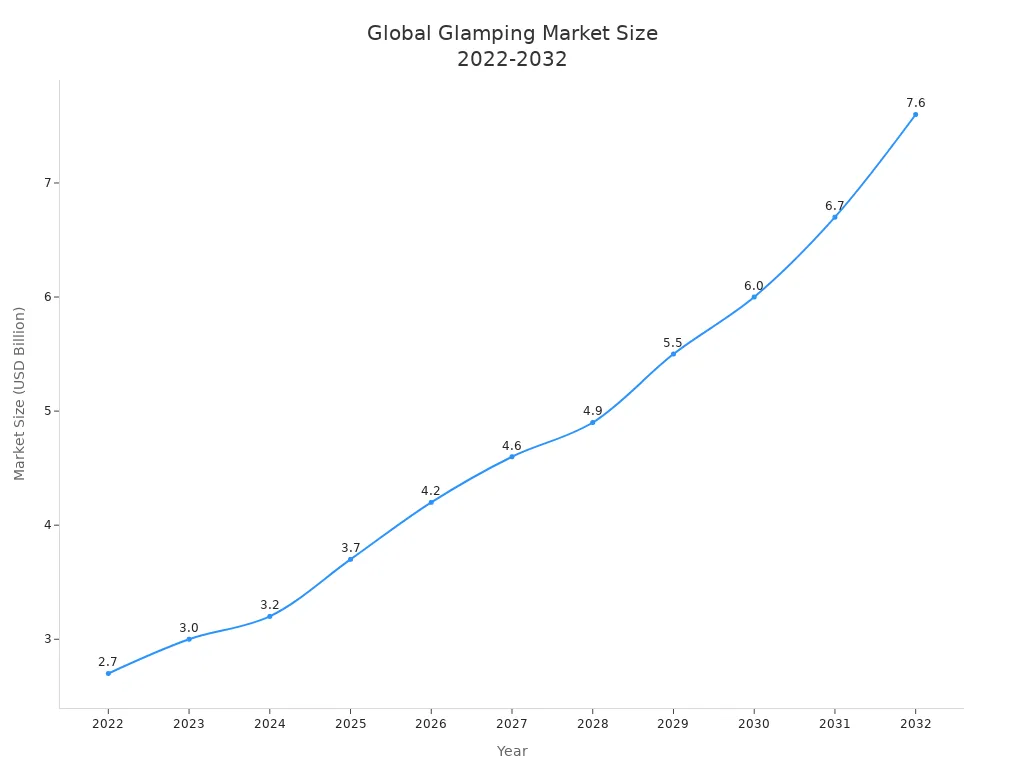
Glamping is growing very fast, combining fancy comfort with adventure, which attracts travelers and businesses alike. The global glamping market was valued at $4.2 billion in 2026 and continues to expand rapidly.
Guests are seeking a special trip that offers privacy and a sense of solitude while still feeling connected to nature. This is where the hospitality glamping solution shines, providing guests with unique experiences that bring joy and encourage repeat visits. Businesses are not only earning more money but also discovering innovative ways to increase profits through sustainable models. Glamping is redefining what a great outdoor stay should be, making it increasingly popular for everyone.
Key Takeaways
Glamping mixes comfort and nature. It draws travelers who want special trips and care about the environment. The glamping market is growing fast. It may reach $11.1 billion by 2030. More people now like staying outdoors instead of in hotels. Businesses make more money from glamping. They get higher nightly rates and earn back their money faster than hotels. Guests get special treatment, which makes them happy. This makes them come back and tell others about glamping. Glamping uses green ideas, like solar power and saving water. This attracts people who want to help the planet.
The Rise of Glamping Experiences
Shifting Traveler Preferences
Travelers want more than a bed for the night. They hope to connect with nature and local places. People now like trips that feel real and special, not just buying things. Many pick farm stays and help with picking fruits or vegetables. These activities make vacations feel important. The U.S. glamping market could be worth $1.3 billion by 2029. This shows many people want eco-friendly travel. Outdoor hospitality is now more popular than city trips. Nature vacations are booked more often than crowded city visits. The hashtag #touchgrass is in over 87,000 TikTok posts. This shows how much people want to spend time outside.
60% of millennials like unique trips more than buying things. This helps glamping grow.
Over 210,000 glamping units use less energy, which attracts guests who care about the planet.
The digital nomad group is now 35 million people. They want comfy places to work in nature.
The EU’s Green Deal spent over €1 billion on green tourism. This helps outdoor places stay eco-friendly.
From Niche to Mainstream
Glamping used to be for a small group. Now it is a big part of the hospitality industry. Big hotel brands like Marriott, Hyatt, and Hilton now have glamping stays. This means they believe glamping will keep growing. The global glamping market may reach $11.1 billion by 2030. More people want real and green travel. Glamping is now a normal choice instead of hotels or resorts. It is very popular in fancy vacation spots.
Regenerative Luxury Trends
Luxury glamping now cares about being green and helping nature. Companies like Under Canvas use solar panels and recycle waste. This helps the earth and matches what guests want. People want eco-friendly trips. The trend mixes fancy stays with helping nature. This makes glamping great for people who care about the planet. Smart technology makes guests more comfortable and helps the environment too.
Trend Description | Implication |
|---|---|
Eco-luxury and regenerative tourism come together | Makes glamping better for people who care about the planet. |
More people want green travel | More guests pick eco-friendly glamping. |
Smart technology is used | Guests are happier and it helps the earth. |
Glamping is changing outdoor hospitality by mixing comfort, nature, and caring for the planet.
Transforming Outdoor Hospitality Operations
 Hospitality Glamping Solution Models
 Hospitality Glamping Solution Models
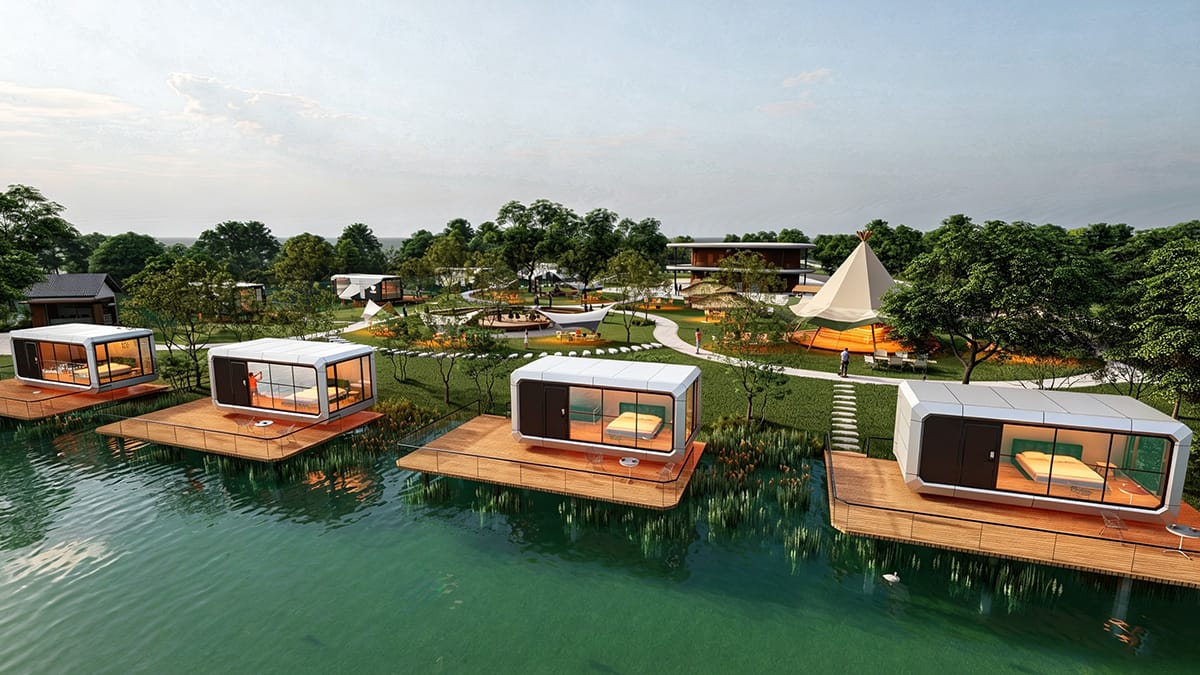
Now, glamping is a main part of many businesses. They use the hospitality glamping solution to run these places like city hotels. Operators pick spots that are easy to get to and follow the rules. They use technology to keep bookings updated and send messages to guests. This helps them deal with weather and busy times. Providers use special ways to sell their outdoor stays, so they stay ahead.
Many companies use glamping to test land before building big resorts. The hospitality glamping solution lets them start with simple domes or tents. These can move or change size if needed. This lowers risk and helps owners learn what guests want. Glamping has fewer units but makes more money per stay. This is not like big hotels. Owners can change their plans if they need to, which keeps their money safe and helps them grow.
Operators use strong supply chains to keep things running well. They manage gear and supplies carefully. Good supplier ties help them get what they need on time. Plans for moving things make sure guests have what they want for a nice stay. Many use software to track supplies and make service better. These steps make the hospitality glamping solution work well and be trusted.
Revenue and Sustainability Benefits
Glamping gives businesses new ways to earn money. The hospitality glamping solution helps owners charge more per night than hotels. For example, a glamping unit can make $180 each night. A treehouse can make over $350. These prices are higher than most hotel rooms.
Accommodation Type | Average Daily Rate (ADR) |
|---|---|
Glamping Unit | $180 |
Treehouse Glamping Unit | Over $350 |
Glamping also costs less to build. Owners spend 30-50% less than on fancy hotels. They often make a profit in two or three years. Hotels may take five to seven years. This fast return makes glamping a good choice for investors.
Being green is another big plus. Many outdoor sites use solar panels, wind power, and energy-saving lights. These steps use less energy and help the earth. Sites also use smart water tools, like low-flow toilets and rainwater tanks. These save water and cut costs. Glamping sites that use these ideas help local people and nature. They let guests enjoy the outdoors and care for the planet.
Some top glamping places lead in green ways. For example, &Beyond’s Grumeti Serengeti River Lodge works to be carbon neutral. The Brando in French Polynesia uses seawater air cooling and helps sea life. Many luxury tent camps recycle water and waste. These show how the hospitality glamping solution can make money and help the earth.
Tip: Using green energy and water-saving tools can make glamping sites better for the planet and lower bills.
Personalization and Guest Value
Personal touches make glamping special. The hospitality glamping solution uses guest feedback to make visits better. Online surveys help owners know what guests like to eat and how they want to sleep. Social media shows what people enjoy and where service can improve. Owners use this to make special packages with fun things to do.
Evidence | Description |
|---|---|
Online surveys | Show what guests want for food and rooms, so stays can be made better. |
Social media monitoring | Finds out what guests think and where to make camping better. |
Tailored packages | Shows what activities and extras are liked, so owners can make special deals. |
Guests want privacy, comfort, and to be close to nature. The hospitality glamping solution helps providers give these things. Each stay feels special and fun. This focus on happy guests means more people come back. Glamping operators can change things fast when they get feedback, so outdoor stays stay new and exciting.
Changing outdoor hospitality is more than new buildings. It means using smart plans, making more money, and helping the planet. The hospitality glamping solution helps providers give guests the best trips, making glamping a top choice for the future.
Glamping Accommodation Types
Tents, Yurts, and Treehouses
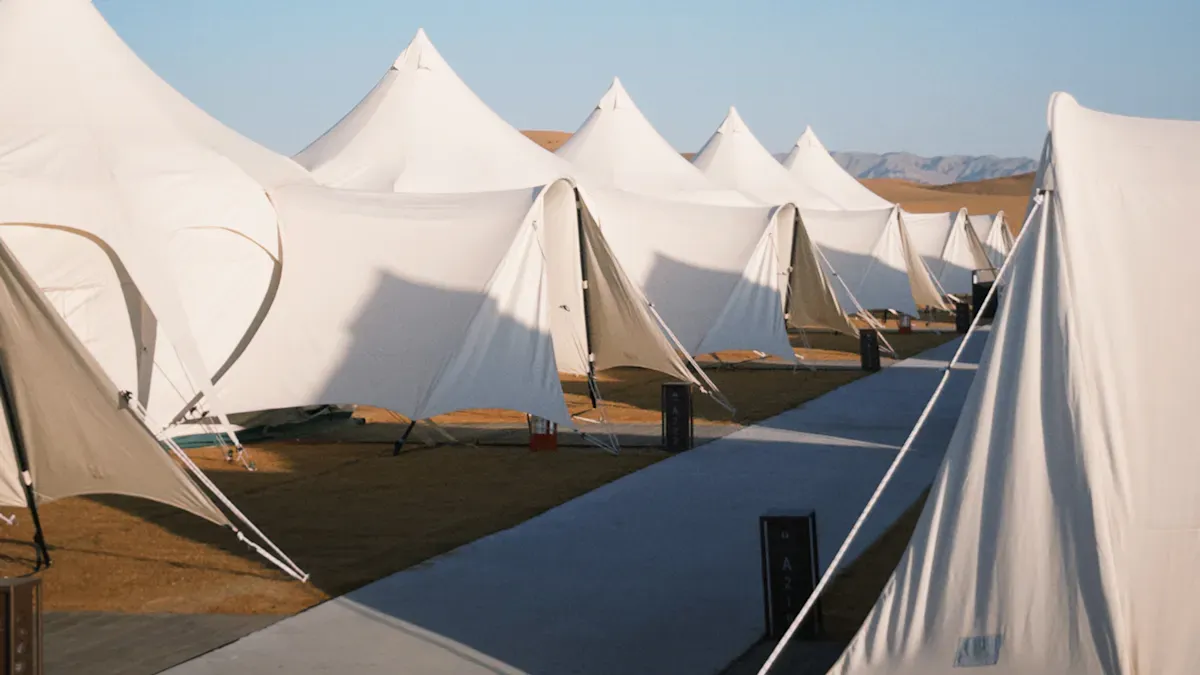
Lots of travelers pick luxury glamping structures for their trips. These include different types:
Luxury tents mix nature with comfort and have modern things.
Yurts are round and feel rustic but still have nice features.
Safari tents are big inside and have fancy furniture. They are inspired by Africa.
Treehouses let guests sleep high up with great views and a cool place to stay.
Glamping pods are small, dome-shaped, and cozy.
These places help guests enjoy nature and stay comfortable. Each one gives a special feeling for fun trips. Many families and couples like luxury tented resorts for privacy and style.
Boutique and Experiential Stays
Boutique glamping sites focus on making stays special. They design each place to fit the area and culture. Guests can sleep under the stars or see mountains when they wake up. Some sites have guided hikes, cooking classes, or wildlife tours. These things make each trip fun and different.
Now, outdoor places offer more than just beds. They have spa treatments, private chefs, and outdoor fun. People want more than a normal hotel room. They want to be in nature and try new things.
Note: Experiential stays often use eco-friendly ideas. This brings in guests who care about the earth.
Flexibility for Providers
Glamping lets providers grow in many ways. They can put luxury glamping structures in many places. This helps them meet busy times and find new guests. Providers can change prices when more people want to stay. They also use feedback to make trips better and charge more.
Good money plans help providers get ready for busy seasons.
Glamping tents can change fast if more guests come.
Technology helps manage bookings and find more guests.
More people want eco-tourism and special trips. This helps glamping grow. Providers can offer more and meet the need for outdoor fun.
The Future of Hospitality Glamping Solution
Technology and Guest Expectations
Technology is changing glamping. Many businesses use smart tools to help guests feel comfortable. These tools also help save water and energy. Some places use smart irrigation to water plants only when needed. Automated lights turn off to save power. Guests can use fast Wi-Fi and watch shows on new systems. Some smart tents have climate control and security. These upgrades make glamping feel fancy. People want comfort and eco-friendly features when they go glamping.
Expansion and Industry Challenges
Glamping is getting bigger, but there are problems. Operators need more money and easier rules. They also need better ways to tell people about their sites. The table below shows the main problems and what they mean:
Challenge | Description |
|---|---|
Financing Access | Operators need more funding options, such as grants, loans, and partnerships. |
Regulatory Streamlining | Simpler zoning laws and land-use approvals are important for faster growth. |
Marketing and Business Development | Better education and promotional tools help operators attract more guests and increase revenue. |
Leaders use good planning to fix these issues. They use green ideas to follow the rules. Many work with others to handle tough laws. Government programs help make things easier. In North America, clear permits help sites open faster. Partnerships, like Hyatt and Under Canvas, bring more guests. State rules, like Utah’s glamping law, help new sites start by setting safety rules.
Predictions for 2026 and Beyond
The U.S. glamping market may grow from $561 million to $1.3 billion by 2029. This is because people want special outdoor trips and care about their health. More people want wellness activities and trips that do not cost too much. They also want vacations that are good for the earth. Technology will help make stays even better. Social media will bring in new guests. Glamping must match what people care about, like being eco-friendly. Providers who know these trends will lead the industry in the future.
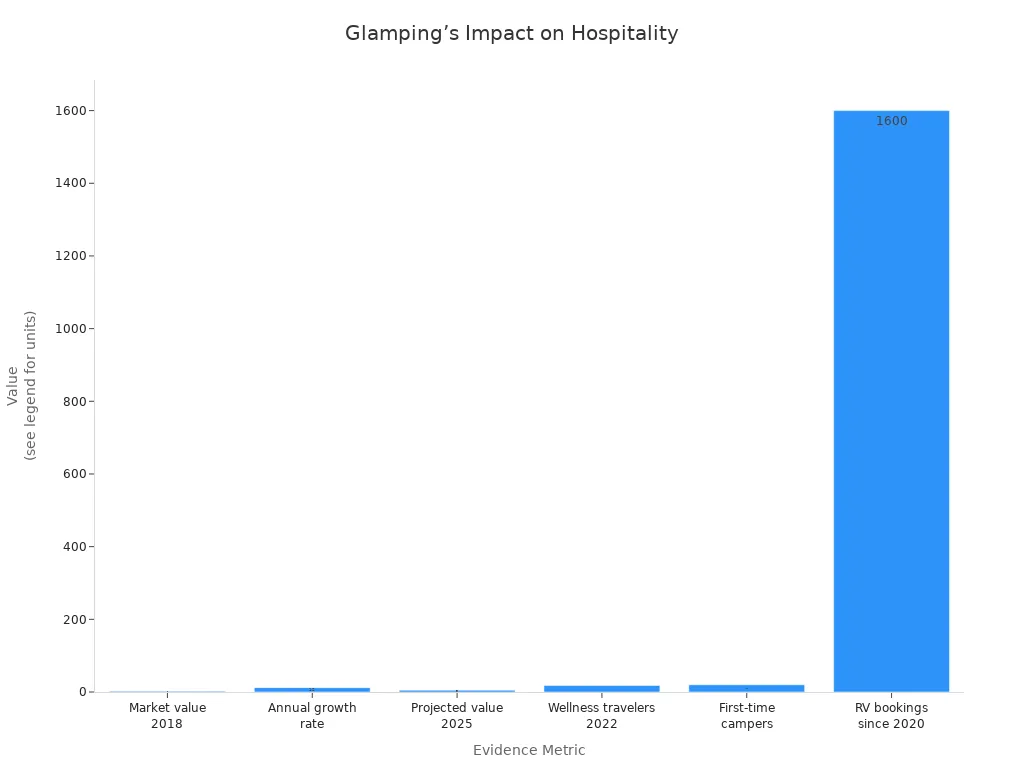
Glamping has made big changes in the hospitality industry. It gives guests special, high-value, and earth-friendly trips. The market was worth over $2 billion in 2018. By 2025, it almost reached $5 billion. More people want to stay outside and remember their trips.
Evidence Description | Value |
|---|---|
Glamping market value in 2018 | Over $2 billion USD |
Projected market value by 2025 | Almost $5 billion |
Increase in wellness travelers by 2022 | 18% of global tourism |
Many providers get good results:
Guests have better trips and remember them.
Luxury stays help owners make more money.
Special designs make places easy to notice.
A small RV park in Tennessee put in safari tents. The average daily rate doubled after adding these tents. They sold out months before guests arrived. This shows glamping makes trips special and helps businesses do well. Providers who choose glamping can keep their business strong and lead others in the industry.
FAQ
What makes glamping different from regular camping?
Glamping is much fancier than camping. Guests sleep in real beds, not sleeping bags. They have their own bathrooms and electricity. Some places even have air conditioning. People stay close to nature but still feel comfortable.
Is glamping eco-friendly?
Many glamping sites use solar power and recycled things. They also use tools that save water. These choices help the earth. Owners often teach guests about nature and how to live green.
Who usually goes glamping?
Families, couples, and people traveling alone like glamping. Digital nomads pick it for working away from home. People who want both adventure and comfort choose glamping instead of hotels.
How much does a glamping stay cost?
Type | Average Price per Night |
|---|---|
Luxury Tent | $150–$250 |
Treehouse | $300+ |
Yurt | $120–$200 |
Prices can be different depending on where you go, the time of year, and what is offered.