
18 Apr Essential Tips for Setting Up a Capsule House Glamping Site
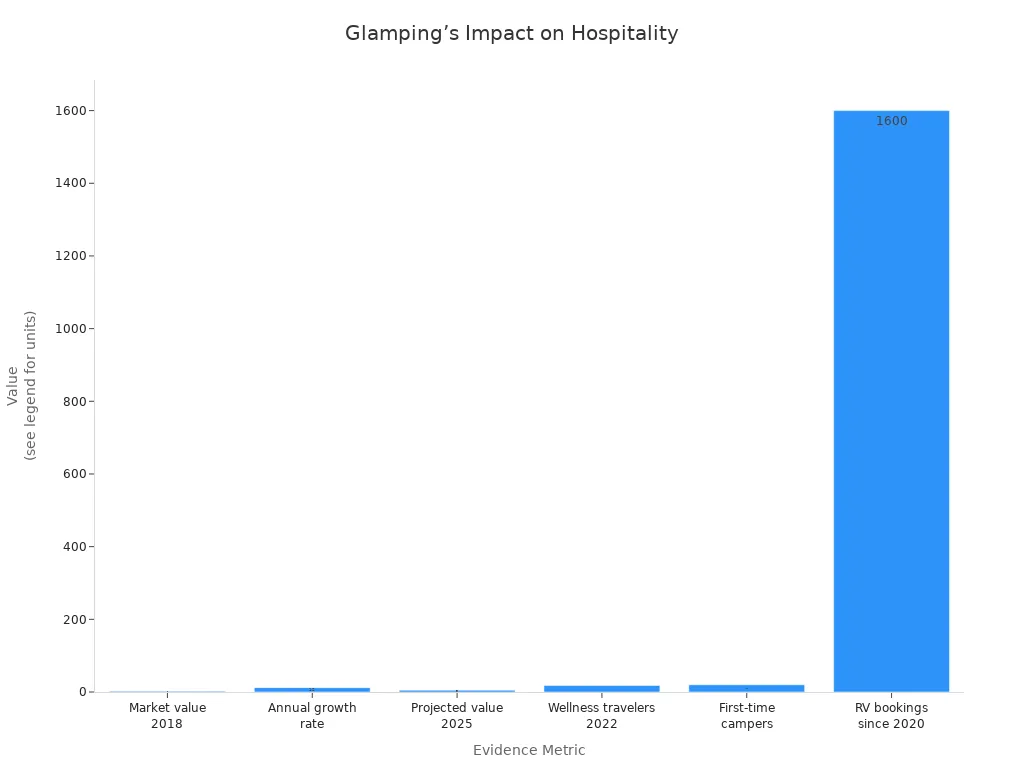
Are you thinking about setting up a glamping business but not sure where to start? You’re not alone. Many people see the huge growth in this industry and want a piece of the action. The glamping market reached $2.35 trillion in 2021, with cabins and pods like a capsule house for glamping making up almost half of the market. Young adults between 18 and 32 love this experience and made up nearly 45% of all guests last year. You can create something amazing by choosing the right approach and focusing on what matters most.
Key Takeaways
Pick a spot close to fun places and nature. This will help bring in more guests. Make sure the ground is strong and drains water well. This keeps everyone safe. Get all the right permits before you build anything. This helps you stay out of trouble with the law. Plan how to get water, power, and sewage set up. This makes guests feel more comfortable. Make the place feel friendly with good design and special things for guests to do.
Site Selection for a Capsule House Glamping Business
Choosing the Right Location
You want your glamping site to be special and get guests. The first thing you need to do is pick a good spot. If your site is close to famous places, more tourists will come. People like things to be easy, so being near hiking trails, lakes, or national parks helps you get more bookings. Privacy is important too. Guests want a quiet place to relax, so you need to find a spot that is peaceful but still easy to reach.
Tip: Try to find places with things like restaurants and toilets nearby. These extras make guests happier and your site more popular.
Before you start, check if the land is good for glamping. This is called a feasibility study. You need to see if the land is safe, easy to get to, and big enough for your plans.
Close to fun places
Quiet and pretty nature
Helpful extras nearby
Check if the land works
Evaluating Land and Soil Conditions
The ground under your capsule houses is very important. You need strong soil and good drainage to keep your site safe. If your land is on a hill, look at the ground and see if it is steady. Sometimes, you need to ask an engineer or builder for help to make sure your site is ready.
Here is a simple chart about soil types:
Soil Type | Characteristics | Foundation Requirements |
|---|---|---|
Clayey Soils | Gets bigger and smaller with water | Needs a foundation that can move a little |
Sandy Soils | Drains water well but may need deeper support | Needs deep anchors to stay strong |
Rocky Soils | Very steady but hard to dig | May need special tools to dig |
You also need to watch for erosion and water problems. If water stays around your capsules, it can cause trouble. Make sure your site drains water well and the ground is steady.
Strong ground
Watch for erosion
Good water drainage
Note: Good ground is very important for safety. Use concrete pillars or cement bases on hills to keep your capsule houses safe.
Ensuring Access and Permits
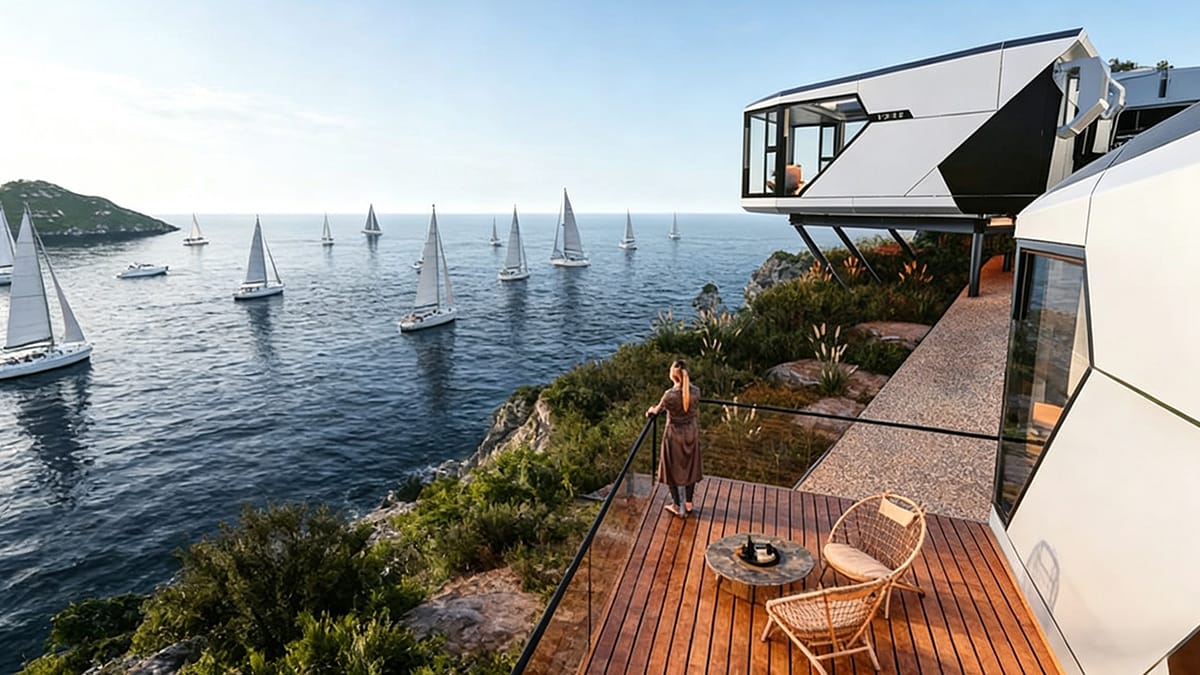 You cannot build until you know the rules. Every place has its own laws about building. Some places let you build glamping sites, but some do not. You need to check if your land is allowed for capsule houses. Call your local zoning office before you buy or build anything.
Here is a checklist for permits:
Call your local zoning office.
Explain your capsule house plan.
Learn what permits you need.
Get ready for a site check.
Keep all your papers safe.
Different areas have different rules:
Residential: May let you build one house but not many.
Commercial: Lets you build for business, like glamping.
Industrial: Not for homes or glamping.
Agricultural: May let you build for a short time but has rules.
Mixed-use: Lets you build many types, including glamping.
Description | |
|---|---|
Zoning Laws | You need to check city rules to see if your land is okay for capsule houses. |
Building Codes | You must follow building codes to keep your house safe and legal. |
Permit Process | You need to know the steps and send in your papers. |
Getting permission helps you avoid big legal problems. It shows you follow the rules and care about your guests’ safety.
Planning Utility Connections and Infrastructure
Guests want to feel safe and comfortable. You need to plan for water, power, and sewage. Permanent pipes and wires make your site better and help guests enjoy their stay. Always follow the rules and keep things safe.
Best Practice | Description |
|---|---|
Install Permanent Infrastructure | Getting permission lets you put in permanent pipes and wires, which makes guests happy. |
Ensure Compliance with Local Regulations | Following the law keeps everyone safe and shows you are responsible. |
Reduce the Risk of Costly Legal Issues | Getting permission helps you avoid problems that cost a lot to fix. |
You also need to get your land ready before you build. Cut down trees and clear plants, make the ground flat, and dig where you need to. Use concrete pillars or cement bases to keep your houses steady, especially on hills. Put in a septic tank or connect to the sewer for waste.
Here is what you need for guests:
Plan roads for cars with gravel or pavement.
Make walking paths with lights.
Build shared spaces like fire pits and kitchens.
Tip: Getting your site ready the right way keeps your capsule houses safe and strong. Gravel can move over time, so use concrete or cement on bumpy land.
Glamping guests want everything to go smoothly. If you plan your site well, guests will have a great and easy stay.
Planning and Designing Your Glamping Business
 Site Layout and Space Optimization
 Site Layout and Space Optimization
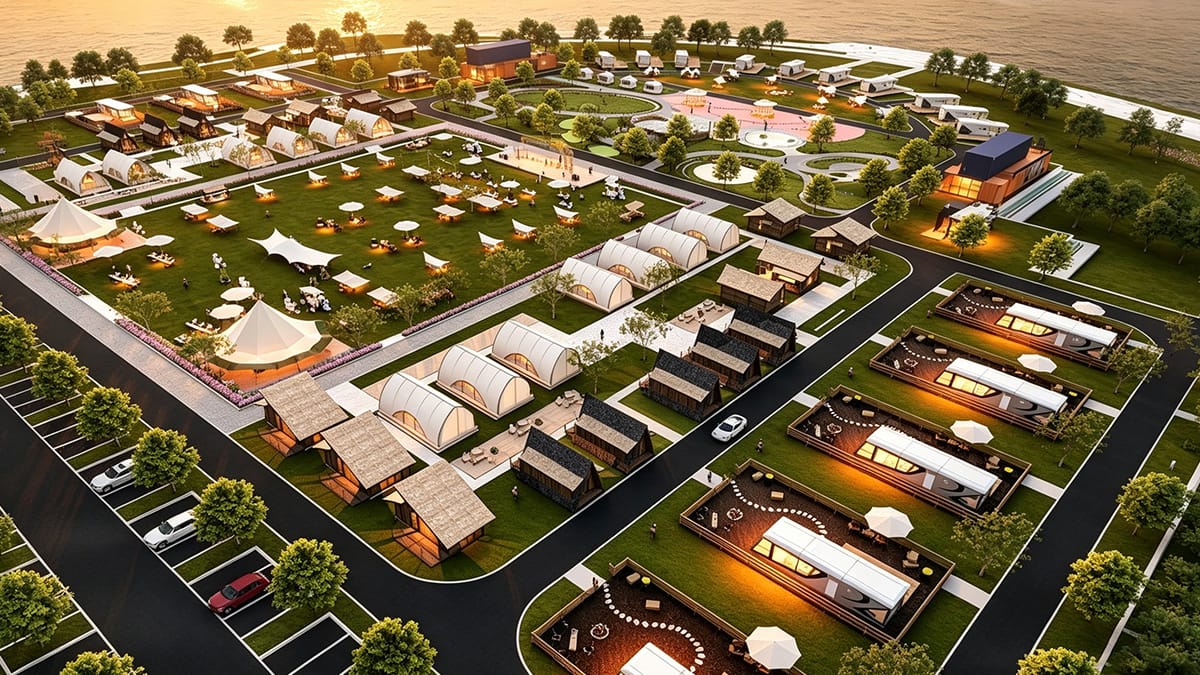
You want your glamping site to feel open and friendly. A good layout helps guests relax and makes your work easier. Put glamping units far apart for privacy. Keep them close enough so guests can reach shared spaces easily. Use trees and plants to block noise and make cozy areas. A smart layout helps guests want to come back. It also helps you earn money faster.
Metric | Value |
|---|---|
Noise Transfer Performance | 25 dB |
Guest Retention Improvement | 22% higher |
Breakeven Time | 31% faster |
Space Efficiency | 40% less than regular cabins |
Tip: Pick a layout that gives guests nice views and keeps things quiet.
Selecting Capsule House Models for Glamping
Choosing the right capsule house model is important. Look for models that save space and are easy to move. Pick ones that are good for the environment and fit your budget. Many capsule houses have strong steel frames and special insulation. This keeps guests comfortable in any weather. There are models for every price range.
Capsule House Type | Average Cost Range |
|---|---|
Standard Capsule House | |
Typical Turnkey Model | $26,000 – $50,000 (2026) |
Mid-range Space Capsule | $70,000 – $100,000 (2026) |
Premium Units | Exceeds $120,000 |
Incorporating Sustainable and Eco-Friendly Features
Eco-friendly features help your glamping site stand out. Use recycled steel and insulation that saves energy. Add solar panels to make power from the sun. Use water fixtures that save water and smart lights. Modular designs help you build with less waste and protect nature.
Feature | Description |
|---|---|
Built with eco-friendly materials like recycled steel and energy-efficient insulation. | |
Energy efficiency | Equipped with solar panels, LED lighting, and smart systems to minimize energy consumption. |
Minimal environmental impact | Modular design allows for easy assembly and disassembly, reducing disruption to local ecosystems. |
Water conservation | Features low-flow fixtures and advanced wastewater treatment systems to reduce water usage. |
Creating a Comfortable Guest Experience Inside Capsules
Guests like comfort and special touches. Add a mini-bar for drinks and soft pillows. Give fresh towels to every guest. Each capsule should have a thermostat and voice-activated lights. Add charging cables and USB hubs for devices. These details make guests happier than regular camping.
Mini-bar for drinks
High-quality pillows and towels
Thermostat for temperature control
Voice-activated lights
Charging cables and USB hubs
Note: Happy guests will return and tell their friends about your glamping site.
Installing Capsule Houses for Glamping
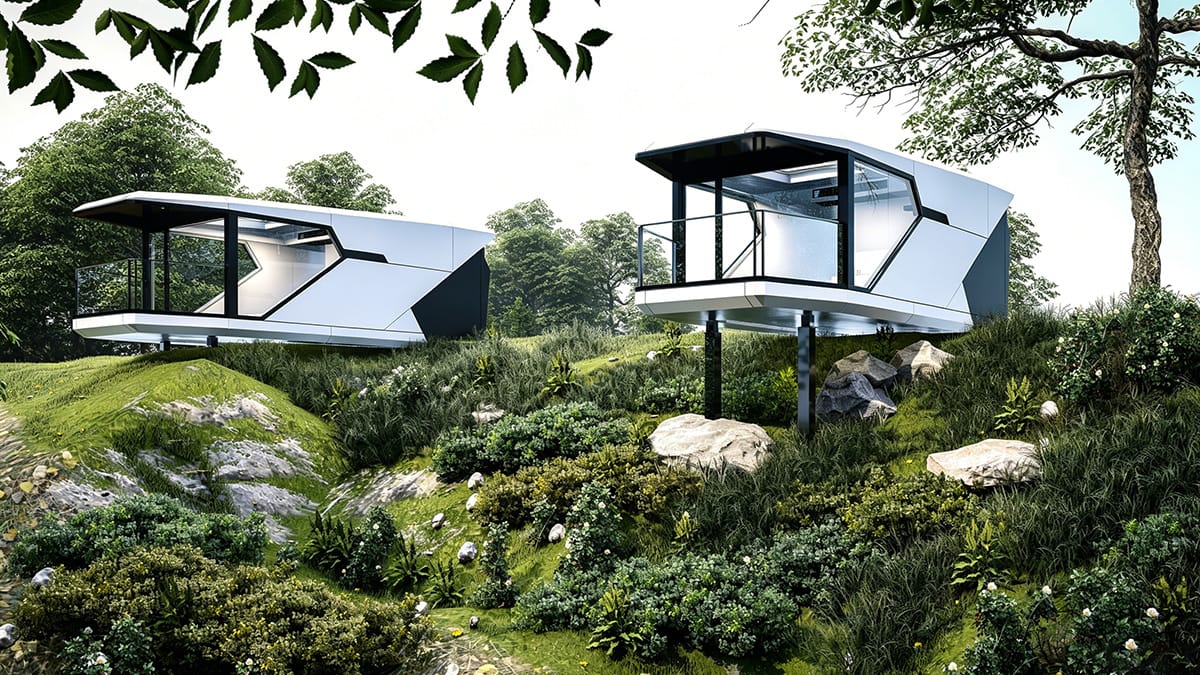 Setting up a capsule house for glamping is a big job. You want everything to work well, so you must plan each step. This part will show you what tools you need and how to follow directions. You will learn how to deal with weather and soil. You will also find out how to connect water, power, and sewage safely. If you do these things right, your money will be safe and guests will enjoy their stay.
Gathering Tools and Materials
You need the right tools and supplies before you start. If you forget something, your project can slow down or cost more money. Here is a table to help you get ready:
Tools/Materials | Description |
|---|---|
Trucking Service | Work with a trucking company for big loads and special needs. |
Site Preparation | Get the ground ready and set up water, power, and sewage. |
Crane Service | Hire a crane to move and place the capsule house (at least 25 tons). |
Utilities | Make sure water, sewer, and power are ready to use. |
Solid Ground | Put the capsule on flat, strong ground like gravel or concrete. |
Qualified Contractor | Get a contractor to help with building and setting up utilities. |
You also need to think about how much things cost and how long they take. Here is what you should know:
Foundation costs can be $1,000 to $25,000, depending on what you use.
Getting permits can take 2 days to 2 weeks and cost $500 to $3,000.
Each check by an inspector costs $100 to $500, and the last check costs $200 to $1,000.
Renting a crane costs $1,000 to $3,000 for a 25-ton crane.
Trucking costs are $2,000 to $5,000 for local delivery.
Hooking up utilities can be done in hours, but prices change by location.
Foundation work is different: helical piles cost $1,000 to $10,000 and take 1 to 2 days; concrete footings cost $5,000 to $20,000 and take 3 to 5 days.
The whole process from making the house to moving in takes about 10 to 12 weeks.
If you plan ahead, you can stop delays and keep your money safe.
Following Installation Instructions
You want your capsule house for glamping to be strong and comfy. Follow these steps to make sure everything fits right:
Frame Assembly: Put together the arched frames. Connect the wall pieces. Use bolts to hold each part tight.
Installing Panels & Glass: Attach insulation panels to the frame. Add sealing strips. Put in glass panels with glue to keep water out.
System Integration: Add curtains, floors, and things like lights and outlets.
Safety is very important when you build. Wear hard hats, goggles, gloves, boots, and ear protection. Keep a first aid kit close and follow safety rules. Have a backup plan for bad weather or broken tools. Make a list of emergency numbers and have insurance.
Tip: Always check your work two times. If you hurry, you might miss steps and lose money.
Considering Weather and Soil Conditions
Weather and soil can change your plans. You need flat, steady ground for your capsule house for glamping. The type of soil tells you what foundation to use. If the ground is strong, use concrete slabs. For bumpy land, use pier and beam. If the soil is weak, screw piles work best.
Bad weather can slow you down or cause damage. Try to build when the weather is dry and not too hot or cold. Make a backup plan in case it rains or storms.
Use building plans that think about weight and weather.
Watch the ground after you build, using special tools.
Clean drains and check walls often.
Note: If you keep your site steady, your capsule house for glamping will last longer and your money will be safe.
Arranging Utility Connections (Water, Electricity, Sewage)
Guests want to be comfy and have what they need. You must connect water, power, and sewage before you open your glamping site. Work with local builders to set up these things. Make sure everything follows the rules and passes checks.
Water: Put in pipes and look for leaks.
Electricity: Set up wires and test the lights and outlets.
Sewage: Hook up to a septic tank or city sewer. Check that water drains right.
If you do this well, your capsule house for glamping will be a nice place for guests. Utility hookups can be done fast, but you must plan. If you skip steps, you might have to pay for repairs and guests will not be happy.
Callout: Utility connections are very important for your business. If you keep them safe and working, your glamping site will do well.
You can make your capsule house for glamping a great business if you follow these steps. Good planning, safe building, and smart utility setup will protect your money and make guests happy.
Marketing and Growing Your Glamping Business
 Defining Your Target Market
 Defining Your Target Market
You want your glamping business to stand out. Start by figuring out who will love your site the most. Many glamping guests are young adults who want comfort and adventure. Some families also look for unique places to stay. Use market research to learn what your guests like. Check their age, hobbies, and travel habits. This helps you plan better and get more bookings.
Look at what other glamping sites do well.
Ask guests what they want.
Use surveys to learn about your market.
Building a Strong Online Presence
People find most glamping sites online. You need a website that looks good and works on phones. Show clear photos of your capsule houses. Write simple details about what guests get. Make it easy for people to book a stay. Use reviews from happy guests to build trust. A strong online presence helps you reach more people and keeps your bookings steady.
Online Must-Haves | Why It Matters |
|---|---|
Mobile-friendly site | Most guests use phones |
Good photos | Pictures sell your site |
Easy booking system | More bookings, less hassle |
Guest reviews | Builds trust with new guests |
Using Social Media and Influencers
Social media can help your glamping business grow fast. Post photos and videos of your site on Instagram, Facebook, and TikTok. Show guests having fun and relaxing. Work with travel influencers who can share your site with their followers. This can bring in new guests and help you reach a high occupancy rate.
Tip: Share stories from guests and answer questions online. This makes people feel welcome and excited to visit.
Adding Value with Guest Experiences
Give guests more than just a place to sleep. Offer fun things like guided hikes, outdoor movie nights, or cooking classes. These extras make your glamping site special. Happy guests will tell friends and leave good reviews. This leads to more bookings and helps your business grow.
Plan activities for all ages.
Give guests local tips and maps.
Offer welcome gifts or snacks.
You can also join a network of other glamping business owners. Share ideas and learn what works best. This support helps you keep your site busy all year.
Managing Operations and Scaling
Navigating Permits and Compliance
 Navigating Permits and Compliance
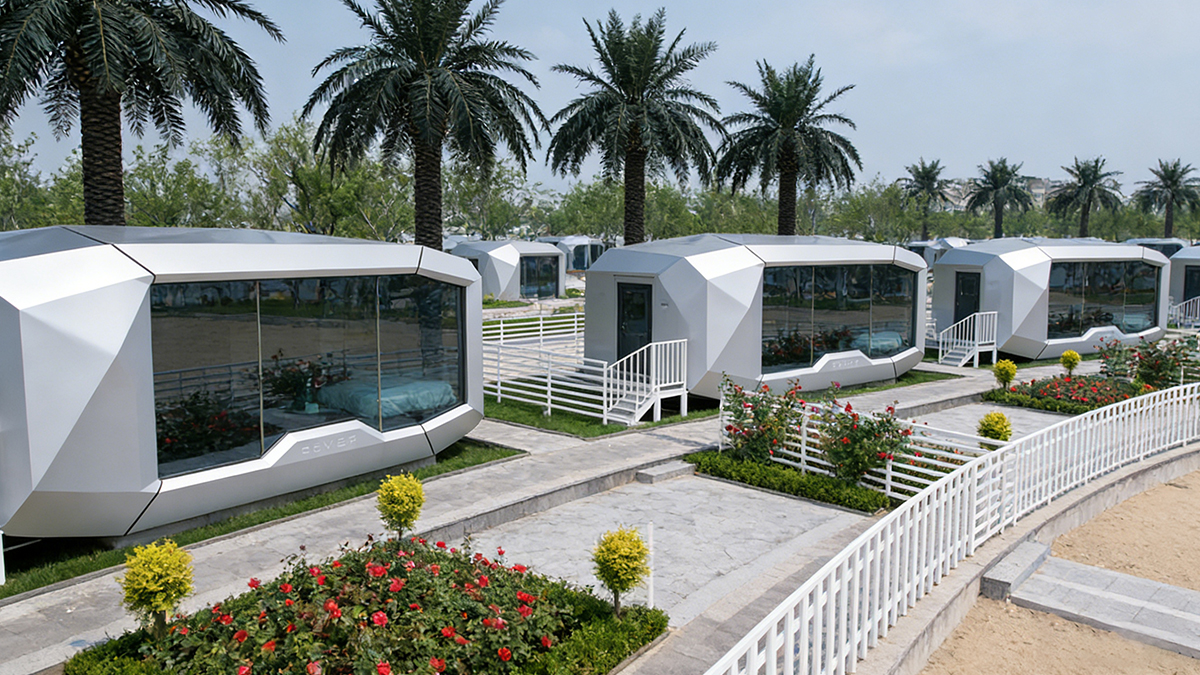
You need to stay on top of permits and rules. Every glamping site must follow local laws. If you skip this step, you risk fines or shutdowns. Start by making a checklist of all permits you need. Keep copies of every document in a folder. Update your permits every year. Ask your local office about new rules. If you hire staff, check their certifications.
Tip: Set reminders for permit renewals. This keeps your business safe and legal.
Streamlining Daily Operations
Running your glamping site gets easier with good routines. Make a daily task list for cleaning, check-ins, and repairs. Use a calendar to track bookings. Train your team to greet guests and solve problems fast. Keep supplies stocked so you never run out. Try using software to manage reservations and payments.
Task | Frequency | Who Handles It |
|---|---|---|
Cleaning | Daily | Staff |
Guest Check-In | As needed | Front Desk |
Repairs | Weekly | Maintenance |
Inventory | Monthly | Manager |
Note: A smooth routine helps guests feel welcome and keeps your site running strong.
Planning for Growth and Expansion
You want your business to grow. Look for ways to add more capsule houses or new guest activities. Study your bookings to see busy times. Ask guests what they want next. Save money for upgrades. Try new marketing ideas to reach more people. Build partnerships with local shops or guides.
Add more units when demand rises
Offer new experiences like yoga or stargazing
Upgrade facilities for comfort
Overcoming Common Challenges
Every glamping site faces problems. You might deal with bad weather, slow bookings, or broken equipment. Stay calm and fix issues fast. Keep a backup plan for emergencies. Ask guests for feedback to spot trouble early. Join online groups for glamping owners to share advice.
Callout: Solving problems quickly shows guests you care and builds trust in your business.
You can launch your capsule house glamping site by taking smart steps. Start with land research and permit applications. Plan your site layout and pick the right capsule units. Add showers, comfy beds, and luxury extras to wow your guests. Build a user-friendly website with direct booking. Learn from successful glamping owners and connect with industry leaders. Every small step brings you closer to a thriving business. Ready to create your own glamping adventure? 🚀
FAQ
How much space do you need for a capsule house glamping site?
You need at least 500 square feet for each capsule house. This gives guests privacy and room for paths or shared spaces. If you want more units, plan for extra space.
Do you need special permits to build capsule houses?
Yes, you need permits. Check with your local zoning office. They will tell you what papers you need. Keep all documents safe. Permits help you avoid legal trouble.
What utilities should you connect for guests?
You should connect water, electricity, and sewage. Guests want showers, lights, and toilets. Work with local builders to set up these utilities. Test everything before opening.
How can you make your glamping site eco-friendly?
Tip: Use solar panels, recycled materials, and water-saving fixtures. Plant trees and use smart lights. Eco-friendly features attract more guests and help the planet.
What makes guests return to your glamping site?
Guest Favorite | Why It Matters |
|---|---|
Comfy beds | Better sleep |
Clean bathrooms | Feels safe and fresh |
Fun activities | Memorable experience |
Happy guests leave good reviews and come back.