
30 Jan Everything You Need to Know to Set Up a Glamping Capsule Pod Site
You want to know how to start a glamping business with capsule pods. Starting a glamping business takes planning and smart choices. The market keeps growing. Check out these numbers:
Year | Market Size (USD billion) | CAGR (%) |
|---|---|---|
2024 | – | |
2030 | 6.18 | 10.3 |
Planning your site, getting permissions, and tracking costs matter. For example, a Hypedome M can cost £9,950 to set up and earn £16,200 a year. This glamping business guide gives you actionable steps, helps you avoid common mistakes, and shows you the path to a successful glamping business. If you want to start a glamping business, you need a solid planning process. A glamping capsule Pod site is a real glamping business opportunity.
Key Takeaways
Study your target market. Focus on Gen Z and Millennials who want special and comfy experiences in nature.
Make a strong business plan. Add site layout, planning permissions, and special features to bring in guests.
Pick a good location. Find pretty views and easy ways to get there to bring more people to your glamping site.
Spend money on good amenities. Give comfy beds, private bathrooms, and Wi-Fi to make guests happy.
Advertise well. Build a strong online presence and use many booking sites to reach more people.
Glamping Capsule Pod Concept
What Is a Glamping Capsule Pod
You might ask how a glamping capsule pod is different. These pods have cool shapes and smart features. Some look like birdcages or sailboats. You get more than a bed. Look at this table to compare:
Feature | Glamping Pods | Other Accommodations |
|---|---|---|
Design Variety | Fun shapes like birdcage or sailboat | Mostly regular styles |
Technological Integration | Smart tech like solar power and Wi-Fi | Little or no tech |
Comfort | Big inside with fancy extras | Simple camping stuff |
Materials | Light and strong materials | Old canvas or tents |
A glamping capsule pod gives you a modern and comfy space. You get a special stay that matches the glamping trend.
Pros and Cons
Running a glamping capsule pod site has good and bad sides. Here are some things to think about:
Some places need extra permits or strong bases.
Moving pods to far places is hard.
Many people in glamping say the good parts are better than the tough ones. You get to offer something new and fun. This helps you stand out from other glamping tent rentals.
Unique Guest Experience
A glamping capsule pod gives guests a fancy stay. Regular camping cannot do this. You can put pods in faraway places. They use energy-saving and off-grid systems. Many pods have solar panels and save water. This helps the earth and keeps guests happy.
Guests like having comfort and nature together. They get eco-friendly living and a special stay. The glamping industry has places like Swiss Alps Capsule Resort and Under Canvas Campsites in the USA. These sites give great views and cozy pods. If you want to attract travelers who care about nature, a glamping capsule pod is a good idea. You can also offer glamping tent rental for guests who want something else.
Starting a Glamping Business: Planning
 Target Market
 Target Market
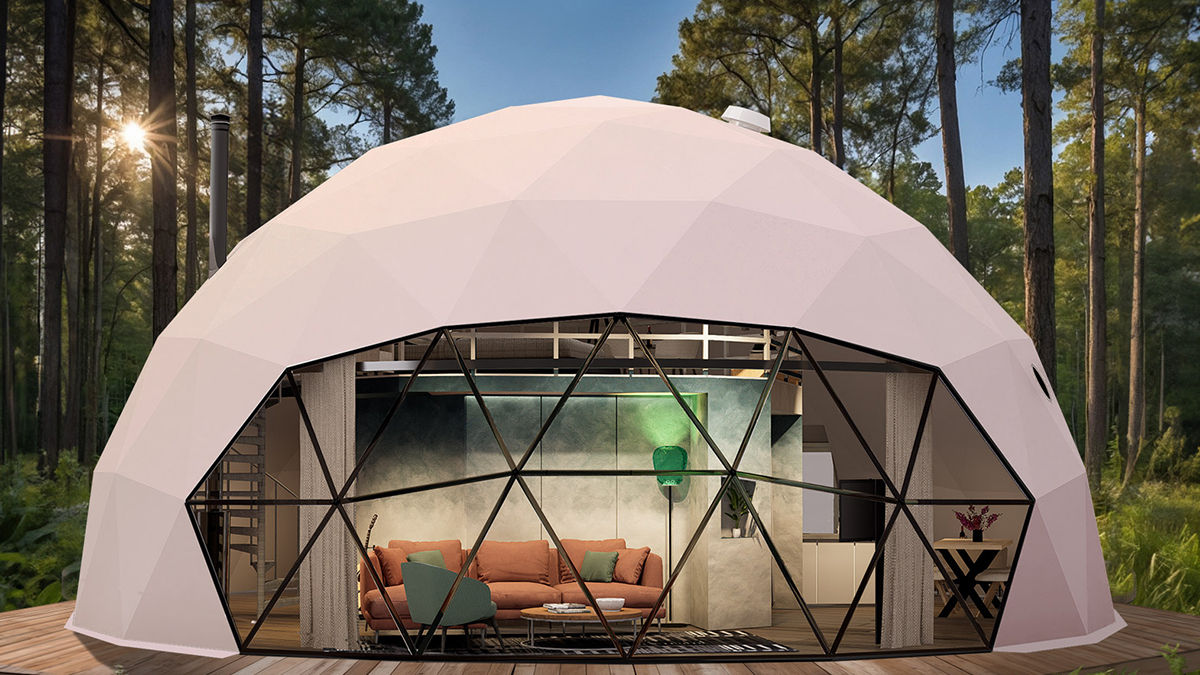
You want your glamping capsule pod site to bring in the right guests. Who are these people? Most guests are younger. Gen Z and Millennials are the biggest group of new campers in 2024. They like special trips and care about comfort and nature. Look at this table:
Demographic Group | Percentage of New Campers in 2024 |
|---|---|
Gen Z | |
Millennials | 61% |
Focus on these groups when you plan your site. They want adventure and style together. They also enjoy posting their trips online. If your site looks cool on Instagram, you will get more bookings. Families and couples also like glamping, but Gen Z and Millennials are the main trendsetters.
Tip: Ask yourself, “Why would a young traveler pick my site instead of a hotel or tent?” Think about adding fast Wi-Fi, eco-friendly features, and fun outdoor areas.
Competition Analysis
You need to know who else does glamping near you. Start by looking online for other glamping sites and capsule pod providers. Check their prices, reviews, and what makes them different. Here is a table with top suppliers and what they offer:
Supplier | Market Segment | Pricing Strategy | Key Features |
|---|---|---|---|
Shandong Endless Landscape | Premium | Higher price points, strong reputation | 5.0 review scores, large buyer base |
Foshan Yinneng | Premium | Higher price points, strong reputation | 5.0 review scores, large buyer base |
Guangzhou Yuntu Tent | Value | Substantial volume discounts | Tent-style solutions |
Prettify Guangzhou | Value | Substantial volume discounts | Tent-style solutions |
Comma Innovation (TW) | High-end | Unique high-end, safety-focused | Safety features |
Shandong Mars Cabin | Tech-focused | Advanced options with solar capabilities | Solar capabilities, large buyer engagement |
Shandong iron little craftsman | Tech-focused | Advanced options with solar capabilities | Solar capabilities, large buyer engagement |
Visit their websites and social media pages. Read what guests say in reviews. Find out what people like and dislike. This helps you see what is missing in the market. Maybe you can offer better views, more privacy, or themed pods. If you know your competition, you can set your prices and features to stand out.
Note: You do not need to copy others. Use what you learn to make your site special.
Business Plan Essentials
You need a strong glamping business plan before spending money. This plan helps you with every step of starting your business. Here are the main things to include:
Site Layout: Decide how many pods you want. Pick where to put them. Plan for shared spaces like bathrooms, kitchens, or picnic spots.
Planning Permission: Check local rules. You may need permits or zoning approval. This can take time, so start early.
Unique Selling Points: Choose a theme or special feature for your pods. Maybe you want an adventure style, a safari look, or eco-friendly touches. This helps you attract your target market.
You also need to plan for all costs. Here is a table with typical costs for a glamping capsule pod site:
Cost Category | Typical Range (2026 Estimate) |
|---|---|
Capsule unit price | $35,000 |
Shipping & craning | $2,000 – $8,000 |
Foundation/supports | $3,000 – $10,000 |
Utility connections | $5,000 – $20,000 |
Permits, design, inspections | $1,500 – $7,000 |
Site prep (grading, access) | $2,000 – $10,000 |
Contingency (10–15%) | $4,900 – $13,500 |
Add up these costs to see how much you need to start. Always add a little extra for surprises. If you plan your budget well, you will avoid big problems later.
Tip: Write down your goals, your target market, and your budget. This makes your glamping business plan easy to follow.
A good plan helps you get loans or investors. It also keeps you on track as you grow. If you skip this step, you might spend too much or miss important details.
When you focus on your target market, study your competition, and make a strong glamping business plan, you set yourself up for success. Planning is the first big step in starting a glamping business that lasts.
Site Selection & Permissions
Location Factors
 Location Factors
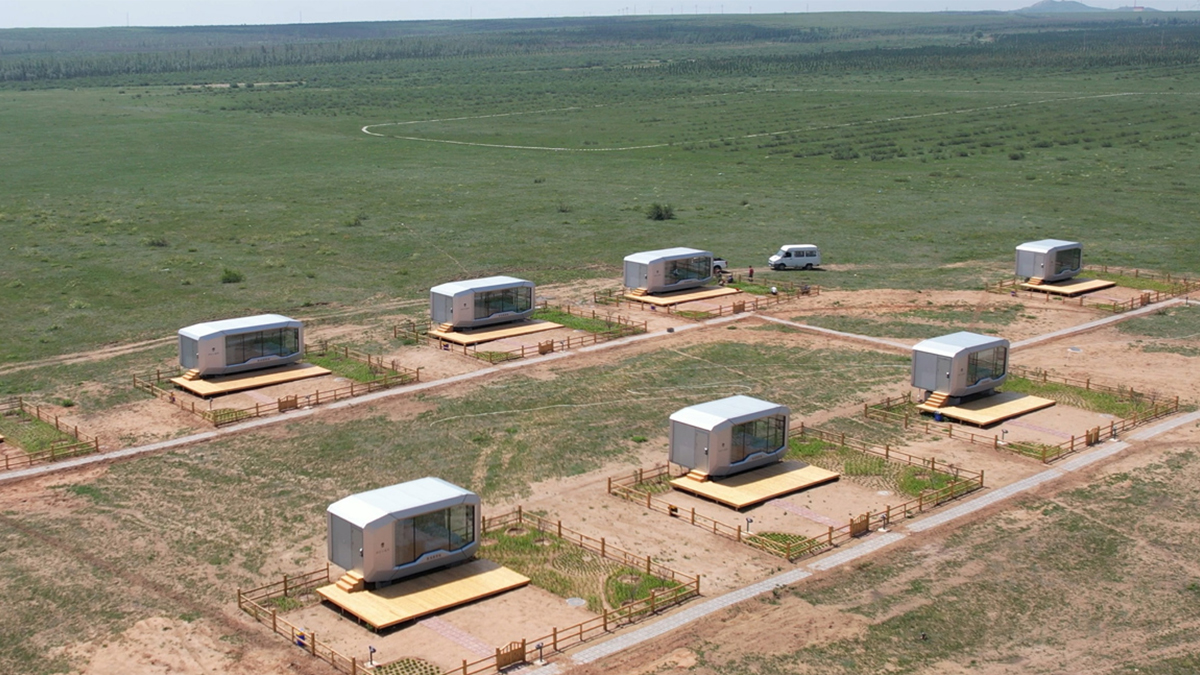
You want your glamping capsule pod site to stand out. Start by thinking about what makes a location special. Look for places with beautiful views, easy access, and a peaceful setting. Guests love waking up to mountains, lakes, or forests. Make sure your site is not too far from main roads or towns. People want to escape, but they also want to reach you without trouble.
Think about the weather in your area. Some pods work better in mild climates. Check if the land floods or gets too windy. You want your guests to feel safe and comfortable. Also, look for places with things to do nearby, like hiking trails, fishing spots, or local attractions. These extras help you attract more bookings.
Land Acquisition
Buying land for your glamping site can feel tricky. Many people find that getting planning permission is the hardest part. You should look for land that already has a history of farming or camping. This gives you a better chance of getting the green light from local authorities.
Here are some common challenges and ways to solve them:
Financing can be tough. Try crowdfunding or find private investors.
Rules and regulations can get confusing. Work with a planning expert before you buy.
Sometimes, you need help running things. Team up with partners or consultants.
Tip: Always talk to a planning expert before you sign anything. This step can save you time and money.
Planning Permissions & Zoning
You cannot skip planning permissions. Local rules decide if you can build glamping pods on your land. Most places want you to follow building codes and zoning laws. These rules tell you where you can put your pods and how you can use them.
Check if your land is zoned for tourism or holiday use.
Make sure your pods meet all building codes.
Some areas have extra rules if you want guests to stay long-term.
If you follow these steps, you will avoid big problems later. Planning ahead helps you open your glamping site faster and keeps your business safe from legal trouble.
Legal & Financial Setup
Permits and Licenses
You must get the right permits and licenses before opening your glamping capsule pod site. The rules are different in each place. In the United States, every state has its own campsite laws. You should ask your local government what you need. In the UK, camping license rules are not the same for temporary structures. For example, in England or Wales, you can run glamping for less than 42 days in a row or under 60 days a year without a local license. If you want to run it longer, you need a camping license and planning permission.
Some pods are called temporary accommodation, so you might not need planning permission. But if you leave movable structures for a long time, you probably do. Extra things like bathrooms or electric hookups also need approval from your local council.
Tip: Always talk to your local planning office before you buy land or build. This step can save you lots of trouble later.
Insurance
Insurance keeps your business safe from surprises. You should get public liability insurance for your glamping site. This helps if a guest gets hurt or makes a claim. Property insurance protects your pods and everything inside them. If there is a fire, theft, or storm, property insurance helps you recover your losses.
Public liability insurance helps with guest claims.
Property insurance protects your pods and what is inside.
Insurance helps you avoid losing a lot of money.
You want to feel safe, so make sure you have the right insurance before guests arrive.
Financing Options
You need money to start a glamping site. There are many ways to get glamping site financing. You can use your savings, get a bank loan, or find private investors. Some people try crowdfunding to raise money from friends or future guests. You can also look for grants or government help for tourism businesses.
Financing Option | Pros | Cons |
|---|---|---|
Bank Loan | Reliable, structured | Needs good credit |
Private Investors | Flexible | Share profits |
Crowdfunding | Builds community | May not raise enough |
Grants | No repayment | Hard to qualify |
Glamping site financing helps you pay for startup costs and grow your business. Choose the option that works best for your goals and budget.
Site Design & Setup
Layout Planning
 Layout Planning
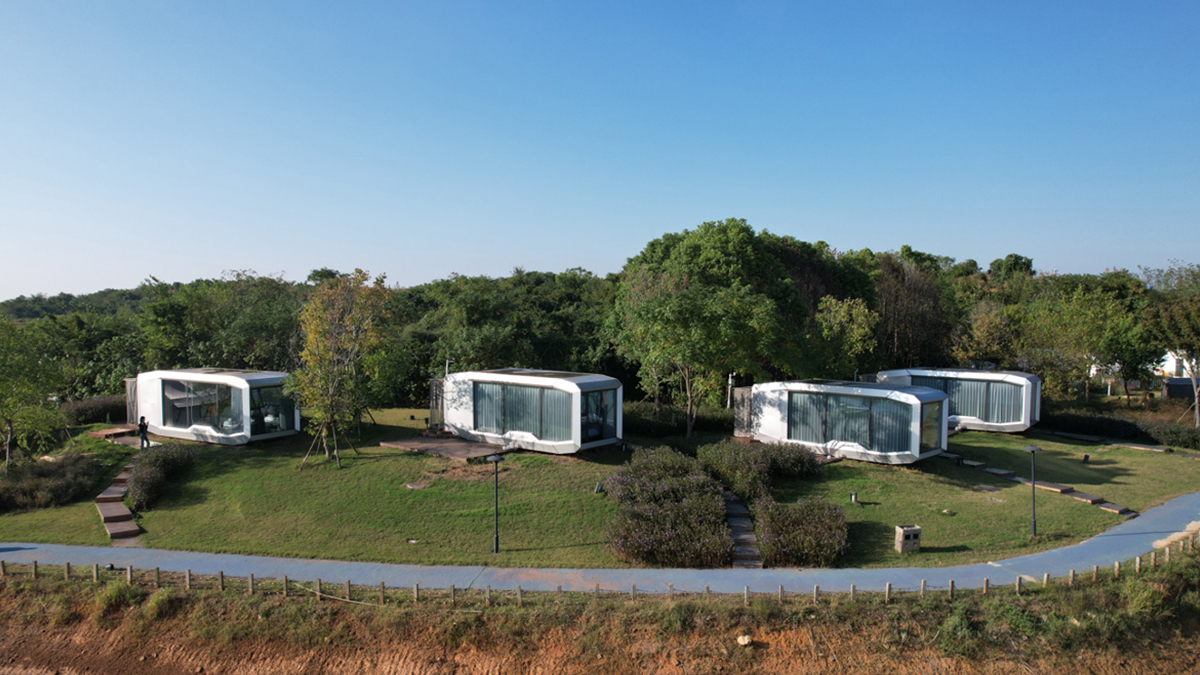
When you design your glamping site, make it welcoming and useful. Think about how guests walk around the site. Put pods so each group has privacy and nice views. Use paths that are simple and safe at night. You can put pods together for families. Spread them out for couples who want quiet.
Here’s why modular layouts are a good choice:
Description | |
|---|---|
Customizable Designs | Guests get special stays that fit what they like. |
Eco-resilient Construction | These designs help the planet and attract green guests. |
Scalable Solutions | You can change the site for busy or slow seasons. |
A smart layout helps your business grow. It also makes guests happy. If you want your glamping site to stand out, start with a flexible plan.
Utilities & Infrastructure
Designing your glamping site means thinking about comfort and ease. Guests like extras such as deck chairs, hammocks, and small grills. Keep the site clean with trash bins and planters. You might use a golf buggy to help guests get around. Landscaping tools keep the grounds neat. Fast internet, like SpaceX Starlink, is important for many travelers.
You need to plan for power, water, and waste. Here’s a table to compare choices:
Utility Type | Off-Grid Options | On-Grid Options |
|---|---|---|
Power | Solar panels with batteries | Regular power connections and permits |
Water | Wells or rainwater collection | City water lines |
Waste Management | Septic or composting toilets | City sewer connections |
If you want your glamping site to work all year, focus on these basics.
Choosing Capsule Pods
Picking pods is a big part of your glamping site design. Choose pods that feel big inside, stay cool, and block noise. Look for strong materials like ripstop nylon or polyester that keep water out. Good airflow is important, so check for vents or fans. Some pods have LED lights, USB ports, or Bluetooth speakers.
Here’s what you should check:
Criteria | Description |
|---|---|
Interior Dimensions | Make sure the pod is tall enough and has extra space. |
Ventilation and Airflow | Mesh panels or vents keep air moving and fresh. |
Material Quality | Pick water-resistant fabrics so pods last longer. |
Noise Reduction | Thick walls help guests sleep better. |
Setup Time and Portability | Easy setup and light pods save time. |
Power Integration | Built-in tech features make guests more comfortable. |
Design your glamping site with good pods and a smart layout. This will help you make a place guests want to visit.
Amenities & Interiors
Essential Amenities
You want guests to feel welcome right away. Start with a soft bed and clean sheets. Try to give each pod a private bathroom. Add heating or air conditioning for comfort all year. People like having a mini fridge and coffee maker. Charging ports help guests use their devices. Good lights and blackout curtains help guests sleep well. If you offer Wi-Fi, guests can share their trip online.
Tip: Small things like soft towels, green toiletries, and a welcome basket make stays better.
Interior Design
The inside of your pod should feel unique. Many glamping sites follow three main trends:
Luxury: Add queen beds, soft blankets, and private bathrooms for a hotel feel.
Eco-Friendliness: Use solar panels, collect rainwater, or pick recycled materials. Guests notice when you help the planet.
Customizable Comfort: Let guests choose pillows or change the lights. Flexible layouts help everyone feel relaxed.
Mixing these ideas makes your pod special. You do not need lots of money to make it look great. A few nice decorations or smart storage can change everything.
Outdoor Spaces
The space outside your pod is important too. You can add a deck with chairs or a hammock. Fire pits, picnic tables, and string lights make nights fun. Outdoor areas help guests enjoy nature and stay comfortable. The best glamping sites mix cozy pods with pretty views. Modern pod designs let you build cool clusters that match your brand and protect nature. When you plan outdoor spaces, you give guests a real escape and a reason to return.
Marketing Your Glamping Business
Branding
You want your site to stand out in the glamping market. Start with a strong brand. Pick a name and logo that guests remember. Use colors and fonts that match your style. Tell your story. Share why you started your glamping capsule pod site and what makes it special. People love hearing about your journey and values. Here’s a table with branding strategies that work well:
Strategy | Description |
|---|---|
Brand Development | Create a unique name and logo before you open. |
Visual Branding | Use a clear color palette and fonts for a consistent look. |
Storytelling | Share your business story to connect with guests. |
Online Presence | Build a website to educate and book guests. |
Social Media Engagement | Post updates and interact with guests on Instagram and Facebook. |
Paid Advertising | Use ads on Facebook and Google to reach more travelers. |
A strong brand helps you get noticed in the busy glamping market.
Online Presence
You need to be easy to find online. Build a website for your glamping capsule pod site. Show photos, prices, and booking options. Use social media like Instagram, Facebook, and TikTok. Post pictures of your pods and outdoor spaces. Talk with guests and answer questions. Try paid ads on Facebook and Google to reach more people. These steps help you grow in the glamping market and make marketing your glamping business easier.
Stay active on social media.
Use paid ads to reach new guests.
Attracting Bookings
You want guests to book your pods. Use many booking platforms to get more eyes on your site. List your pods on Airbnb, Booking.com, Glamping.com, and Vrbo. Try sites like HipCamp.com and Pitchup.com too. Keep your own website for direct bookings. This helps you fill your pods and boost your profits. Marketing your glamping business on many channels brings more guests and keeps your site busy.
Tip: Reply to guest messages quickly. Good communication leads to more bookings and better reviews.
Operations & Guest Experience
Daily Operations
 Daily Operations
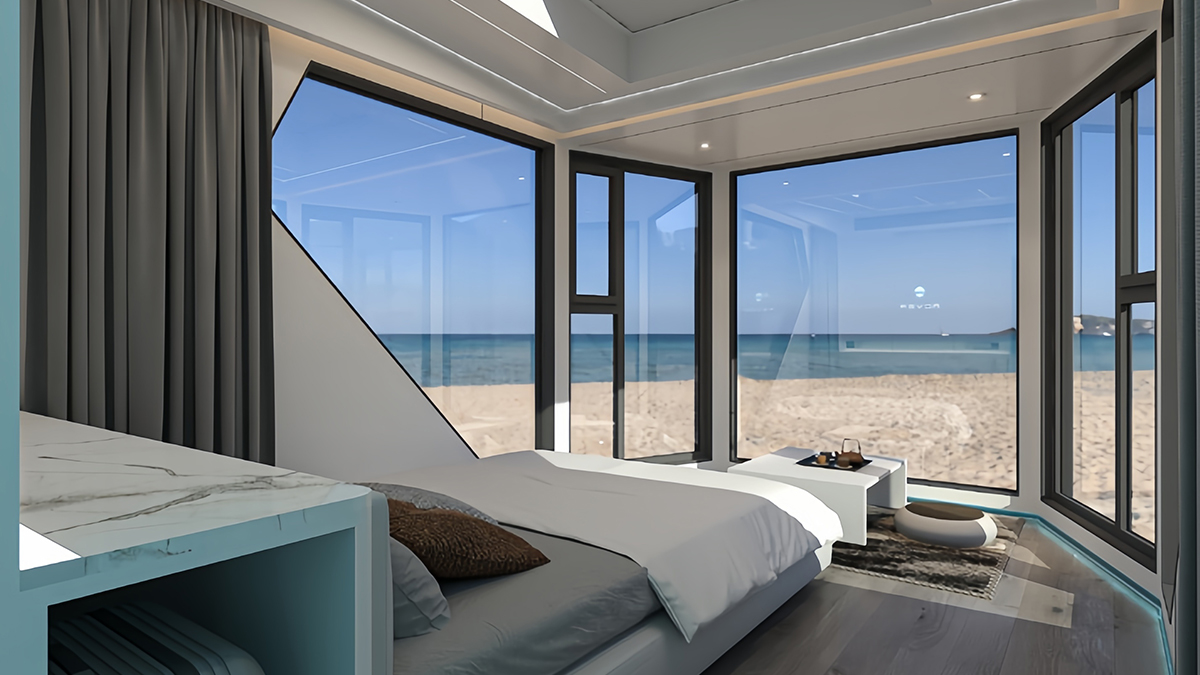
You need a daily plan to run your glamping capsule pod site. Each morning, check the pods and outside areas. Make sure everything is clean and safe for guests. Use booking tools to keep track of who is coming. These tools also help you know what guests want. If you have more guests, hire extra help for cleaning and greeting. Watch your spending so you do not get surprised by costs. Pods that need little work save you time. This gives you more time to make guests happy.
Here are some things to do each day:
Welcome guests with a smile and a small treat, like a drink or slippers.
Make sure Wi-Fi and heat work in every pod.
Fill up supplies in each pod.
Get ready for special events, like stargazing or BBQ nights.
Guest Communication
Talking with guests helps them trust you and feel happy. Answer questions fast before and during their stay. Use texts or apps to send check-in info and local tips. If a guest has a problem, fix it right away. Set clear rules so everyone knows what to do. Being friendly helps guests enjoy their stay.
Tip: Ask guests what they think after their visit. Their ideas help you get better and stand out.
Maintaining Standards
You want your site to always look nice and be safe. Check and clean things often to keep them in good shape. Use this table to help plan your checks:
Maintenance Task | Frequency |
|---|---|
Clean gutters and check seals | Once a year |
Reapply wood treatments | Every 2–3 years |
Test smoke and carbon monoxide alarms | Every month |
Check electrical systems | Every two years |
Make sure heaters are vented right | When needed |
Add handrails if there are steps | When needed |
Have a rule for canceling bookings if plans change. Plan fun events at your site to make stays special. If you want guests to love your glamping business, keep high standards and add personal touches every day.
Glamping Profitability & Growth
Startup & Ongoing Costs
You probably wonder how much it will cost to start your glamping business. The answer depends on your location, the type of pods you choose, and the extras you want to offer. Let’s break down the main costs so you can plan your budget.
Here’s a table showing the average startup cost and potential yearly revenue for different glamping structures:
Glamping Structure | Startup Cost (£) | Potential Yearly Revenue (£) |
|---|---|---|
4m Bell Tent | 1,600 | 19,800 |
Safari Lodge | 15,000 – 40,000 | 62,400 |
Timber Pod (sleeps 4) | 16,000 | N/A |
Hypedome M Glamping Kit | 9,950 | 91,800 |
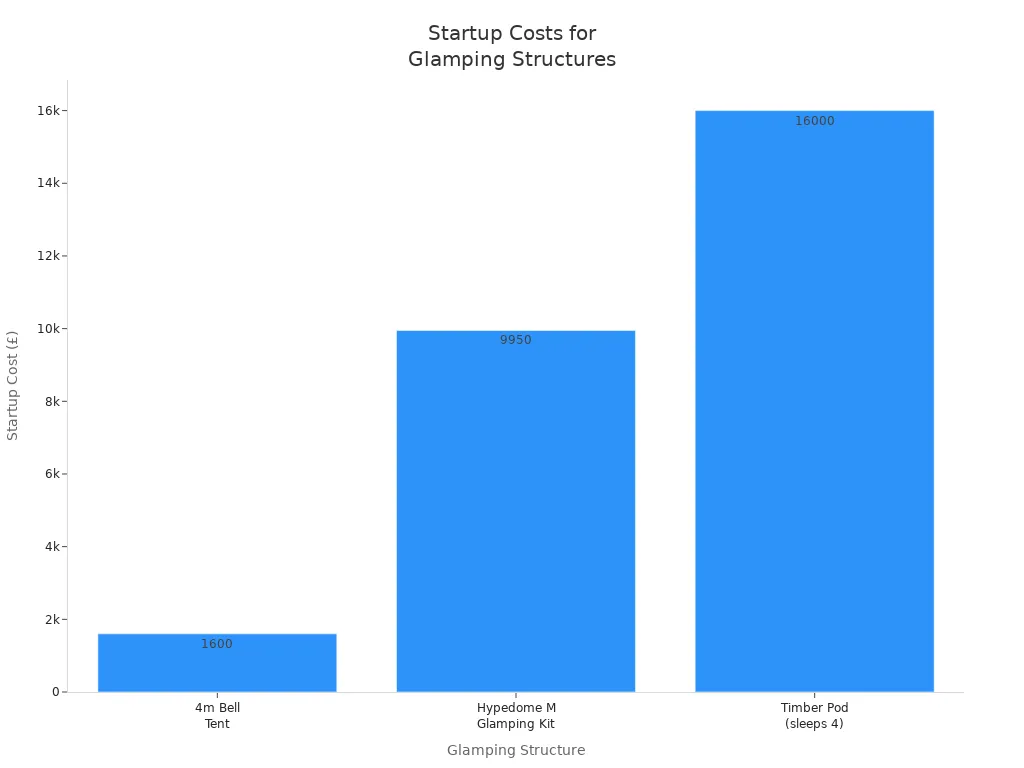
The cost of a glamping pod can vary a lot. Some pods cost less than £10,000, while others can reach £40,000 or more. You also need to think about glamping business startup costs like land, permits, and site prep.
After you open, you will have ongoing costs. These include:
Property taxes
Maintenance costs
Water
Electricity
Furnishings
Amenities
Business Insurance
The cost of a glamping pod is not just about buying the pod itself. You need to budget for everything that keeps your site running smoothly. If you plan well, you can avoid surprises and keep your business healthy.
Tip: Always add a little extra to your budget for unexpected repairs or upgrades. This helps you stay ahead and protect your investment.
Revenue & ROI
Now let’s talk about glamping profitability. You want to know if your site will make money. The answer depends on your costs, your prices, and how many nights you book each year.
Check out this table to see what you might expect:
Estimated Cost | Expected Occupancy Rate | Revenue Potential | |
|---|---|---|---|
Small Resort (10 domes) | $200,000 | 60-70% | Premium pricing |
Luxury Resort | $500,000 or more | 60-70% | Premium pricing |
If you run a small glamping site with 10 pods, you might spend around $200,000 to get started. Many sites reach occupancy rates of 60% to 70%. With premium pricing, you can earn back your investment in a few years. The cost of a glamping pod pays off when you keep your pods full and offer a great guest experience.
You can boost your revenue by:
Raising your nightly rates during busy seasons
Offering add-ons like breakfast baskets or guided tours
Hosting special events or retreats
Profitability comes from smart pricing and keeping your pods booked. If you watch your costs and focus on guest satisfaction, your glamping site can become a strong business.
Note: Track your bookings and expenses every month. This helps you spot trends and make better decisions for your business.
Scaling Your Business
Once your glamping site is running well, you might want to grow. Scaling your business takes planning and creativity. Here are some proven strategies:
Set long-term goals in your business plan. This gives you a clear path for growth.
Add new types of glamping units. You can offer treehouses, safari tents, or tiny cabins to attract different guests.
Watch glamping and travel trends. Update your site to match what guests want, like eco-friendly features or themed stays.
You can also expand by:
Building more pods on your land
Partnering with local businesses for packages or tours
Improving your marketing to reach new guests
Scaling your glamping business means more than just adding pods. You need to keep your quality high and your guests happy. If you plan ahead and stay flexible, you can grow your site and increase your profitability year after year.
Tip: Listen to guest feedback and watch what other successful sites do. This helps you stay ahead and keep your business fresh.
You’ve learned the main steps for how to start a glamping business with capsule pods. Planning, getting permissions, and strong marketing help you build a site guests love. Ready to take the next step?
Research suppliers
Draft your business plan
Check local rules
Use this guide as your roadmap. Your glamping site can stand out if you start smart and stay focused.
FAQ
How much land do you need for a glamping capsule pod site?
You can start with as little as one acre. This gives you space for a few pods, parking, and outdoor areas. More land means more privacy and room to grow.
Do you need planning permission for glamping pods?
Yes, you usually need planning permission. Always check with your local council before you buy land or set up pods. Rules can change by location.
What amenities do guests expect in a glamping pod?
Guests love comfy beds, private bathrooms, Wi-Fi, and heating or air conditioning. Small extras like coffee makers and outdoor seating make a big difference.
How do you attract guests to your glamping site?
Use social media, a great website, and list your site on booking platforms like Airbnb and Booking.com. Share photos and stories to show what makes your site special.