
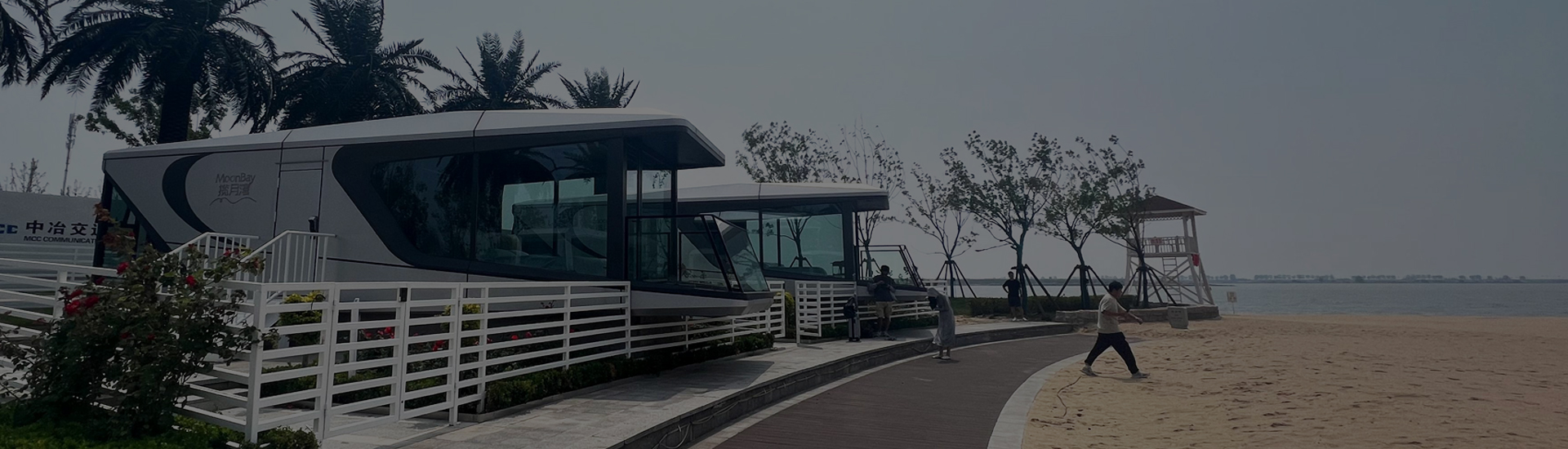
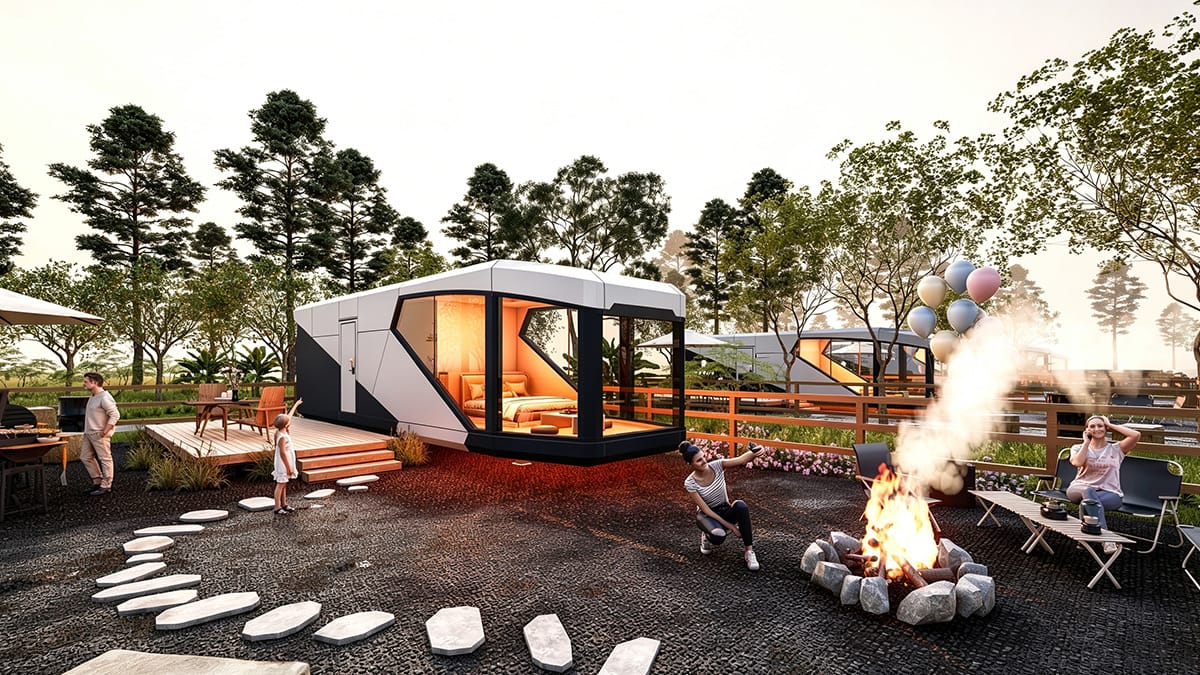
04 Feb 7 Real-Life Ways Capsule Houses Are Used Worldwide
You can see capsule houses in cities and travel spots. They are also in places where emergencies happen. People use capsule houses for many reasons. Some want to save space. Others need fast shelter. The capsule housing market is now worth $3.8 billion. Most users, about 78%, live in crowded cities. Capsule house applications include micro-apartments and capsule hotels. They are also used as emergency shelters and dorms for workers and students. Some are pop-up shops, eco-tourism stays, or modular coastal homes. Minimalists like capsule houses because they use less space. They also cost up to 60% less than regular homes. The Asia-Pacific region uses capsule houses the most. Travelers and people in cities use them a lot there. You might find a capsule house that works for you or your community.
Application Type | Description | Example Location |
|---|---|---|
Temporary and Emergency Housing | Gives quick shelter during crises with basic needs. | Za’atari Refugee Camp, Jordan |
Camping Sites | Makes camping better with modern things in a small space. | Under Canvas campsites, USA |
Urban Stations | Used as quick shelters, kiosks, or pop-up shops in cities. | Kameha Grand Hotel, Bonn, Germany |
Key Takeaways
Capsule houses are cheaper to live in. They can cost up to 60% less than regular homes. This makes them great for people in busy cities.
These homes give fast shelter when there is an emergency. They can be set up quickly and are safe to live in during a crisis.
Capsule houses can be used in many ways. They work as small apartments, hotels, or even pop-up shops. They fit different needs and ways of living.
Some capsule houses are good for the environment. Their designs use less energy. This makes them a smart choice for people who care about nature.
Living in a capsule house helps people own less stuff. It lets them focus on what is important. They still get to enjoy modern things.
Urban Capsule House Applications
 Micro-Apartments
 Micro-Apartments
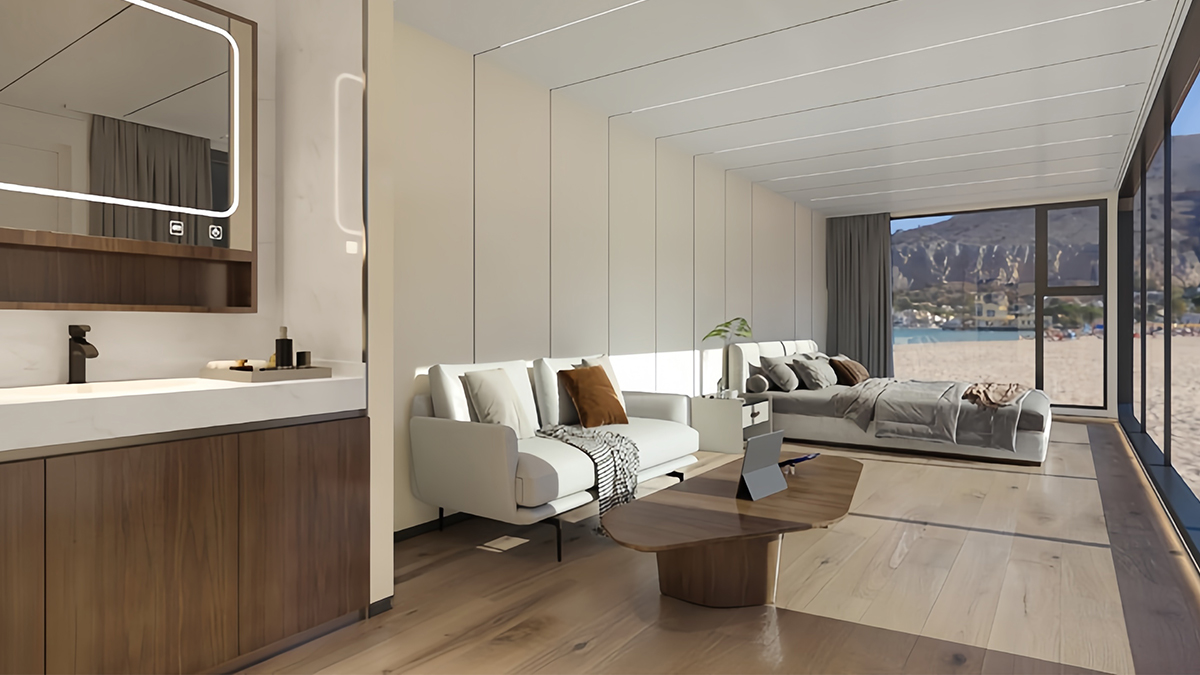
Micro homes are found in many large cities. They help people live smart in crowded places. In Tokyo and Hong Kong, young workers use capsule houses as their main homes. These homes are small but designed well. Many micro homes have storage built in. Some share kitchens or lounges with others. This helps people save money and live near work or school. In San Francisco, about 15% of homes are micro units. Seattle and Minneapolis also have lots of micro homes. Rent is lower for these small spaces. In Chicago, a micro home costs about half of a normal apartment. Micro-apartments let people live simply and use less space.
Capsule Hotels
Capsule hotels are places to sleep when you visit a city. Japan has over 2,000 capsule hotels. North America has more than 170. These hotels use capsule houses to fit many guests in a small space. Each guest gets a private pod with a bed and light. Some pods have a TV too. Most people stay for one or two nights. In 2023, people booked over 40 million nights in these hotels. Capsule hotels use space well and look modern. You get comfort and privacy, even in a small area.
Key Benefits and Challenges
Capsule houses have many good points in cities:
You spend less money because they are affordable.
You help the earth by living in small spaces.
You get new technology and smart designs.
You can move or change your home easily.
But there are some problems too:
Benefit/Challenge | Description |
|---|---|
Modularity | You can move and change capsule houses to fit your needs. |
Cost-effectiveness | You spend less money than on regular homes. |
Sustainability | You use eco-friendly materials and save energy. |
Privacy Issues | |
Maintenance Costs | You might pay more for repairs and upkeep. |
Psychological Impact | Living in small micro homes can feel lonely or stressful for some people. |
Capsule houses have many good sides, but you should think about privacy and comfort before picking a small home. More people want these homes in cities, but you need to see if micro homes are right for you.
Emergency Shelter Solutions
Crisis Housing
Capsule houses help a lot during disasters. People need safe places right away. Capsule houses give shelter fast. After the 2008 earthquake in Sichuan, families got capsule homes in less than a week. These homes kept people safe while towns were rebuilt. In Turkey, teams set up 200 emergency communities with capsule houses in 72 hours after an earthquake. In New Zealand, families used capsule houses for shelter after disasters. These units come flat-packed, so many can be moved and set up quickly. Capsule houses use strong materials that last in bad weather. They help keep people healthy because they stay clean and dry, unlike tents.
Feature | Description |
|---|---|
Immediate Humanitarian Response | You get shelter in hours, not days. |
Safe & Dignified Living | Capsule houses give you privacy and protection from the weather. |
Robust Construction | These homes last through storms and long use. |
Optimized Logistics | Flat-pack design means more homes reach people faster and at a lower cost. |
Cost-Effective Aid | Capsule houses offer a sustainable housing solution for temporary housing needs. |
Homeless Support
Capsule houses help people without homes in cities. In the Netherlands, homeless people sleep in capsules. These small units give a safe place to sleep. They offer privacy and dignity, which some shelters do not have. Capsule houses may help fight homelessness in busy cities. More cities might try this idea for better solutions.
Benefits and Challenges
Capsule houses have many good points as temporary shelters. You can set them up in two hours. The modular design makes moving and building easy. They protect people from bad weather and help them feel safe. But there are some problems. Costs must stay low, and enough units must be made for everyone.
Benefits | Challenges |
|---|---|
Rapid deployment within two hours | Need for affordability |
Modular design for easy transport and setup | Scalability in production |
Resilience against extreme weather |
|
Provides dignity and security |
|
Capsule houses give hope and safety in tough times. They show how temporary shelters can help people and communities recover.
Worker and Student Dormitories
Temporary Worker Housing
 Temporary Worker Housing
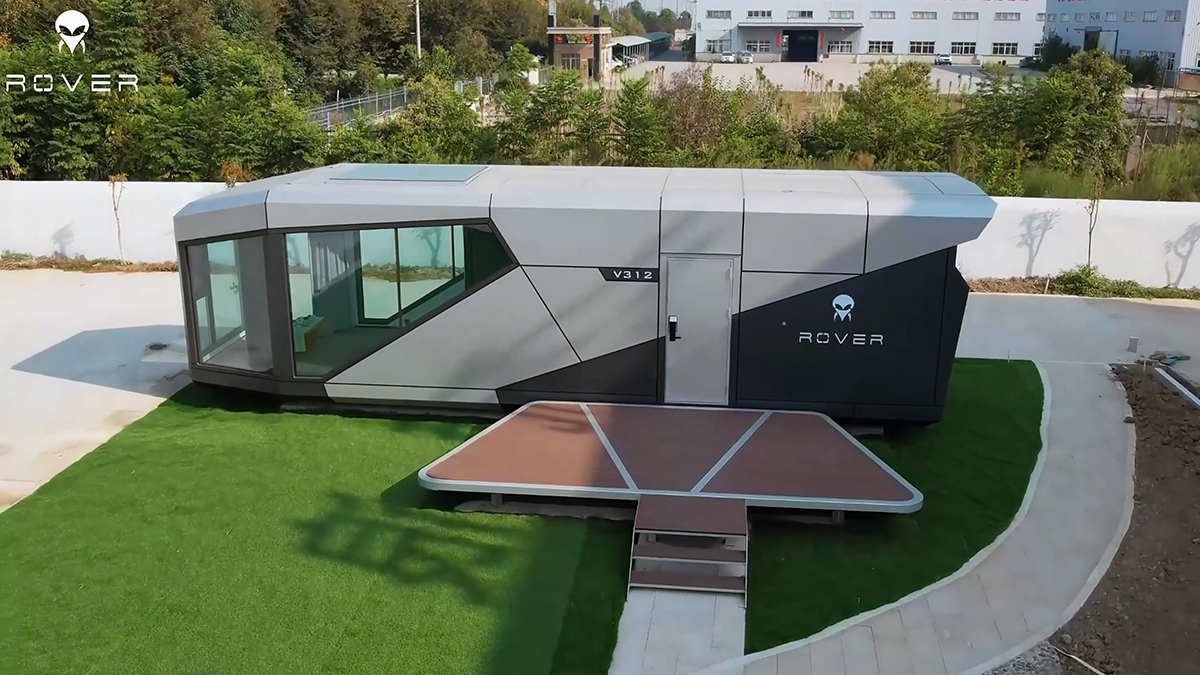
Capsule houses are used at work camps and building sites. Workers stay close to their jobs in these small homes. The units are quick to set up and cost less money. You get your own space and feel comfortable. Companies like capsule houses because they save money and time.
Here is a table that compares modular work camps and regular dorms:
Feature | Modular Work Camps | Traditional Dormitories |
|---|---|---|
Cost | Usually over $50,000 | |
Deployment Speed | Ready in 72 hours | Can take months |
Customer Satisfaction | High because of privacy | Lower because of shared spaces |
Occupancy Rate Increase | 20% more in eight weeks | Stays lower and steady |
If you add 12 capsule pods, you get 40% more beds. The number of people staying goes up from 65% to 85% in eight weeks. Workers like having their own reading lights and USB ports. These things make life easier and more fun.
Student Accommodation
Capsule houses help students find cheap places to live. You can stay near school and pay less rent. Many students think these homes are safe and modern. Jacob says, “I love my capsule house! It is small but cozy. I have a bed, desk, and storage. It has smart controls and new tech. Great for students and workers.” Chloe likes how fast it is to set up and the safe materials. She says, “This capsule house is great for short stays. It is easy to install and needs little care. The materials are safe and good for the earth. It fits all our needs for temporary housing.”
Capsule houses help you live with less stuff. You get what you need in a small space. This makes it easier to study and do daily tasks.
Benefits and Challenges
Capsule houses have many good points for workers and students:
You can build them fast, even far away.
You spend less money than on regular homes.
You get modern features and feel comfortable.
You keep things simple and have less clutter.
There are some problems too:
Space is small, so families may not fit.
Local rules can slow down building.
We still need to see how long they last in bad weather.
Capsule houses are a smart way to help workers and students find homes. They are cheap, flexible, and modern. You can live simply and focus on what matters.
Pop-Up Shops and Restaurants
Retail Capsules
 Retail Capsules
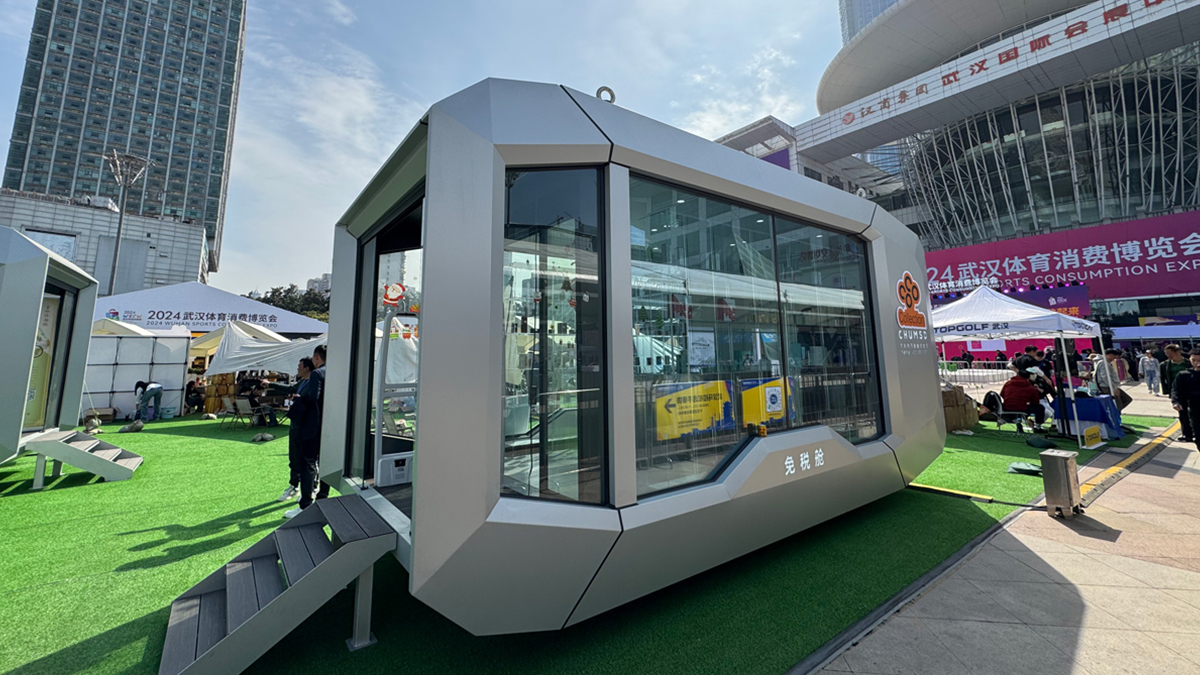
Capsule houses can be used as pop-up shops in busy places. These small stores help brands meet customers quickly. You might see a capsule shop selling clothes or beauty items. The Tommy Jeans Outdoor Capsule is a good example. Brands use these short-term shops for special shopping events. You can look at new styles and try products in a fun way. Marc Jacobs made The City Capsule Collection for cities like Paris, Tokyo, and New York. These pop-up shops offer rare items for people who want something special.
Here is a table with some famous retail capsules:
Capsule Name | Description | Cities Included |
|---|---|---|
The City Capsule Collection | Special fashion inspired by New York, shown in many cities. | Paris, Hawaii, London, Las Vegas, Tokyo, LA, NY |
Tommy Jeans Outdoor Capsule | Pop-up store for shoppers who like adventure and style. | Big cities |
Coco-Mat | Mattress shop with eco-friendly materials and design. | Munich |
Aesop | Beauty shop with a handwashing experience before trying products. | Many cities |
Food and Beverage Capsules
Capsule houses can also be pop-up restaurants or cafes. You can eat in a small, modern place. Eataly uses capsule setups to share Italian food in cities like New York and Tokyo. These food capsules show up at festivals, markets, or special events. You might see a coffee pod at a music festival or a mini bakery at a holiday market. These spaces let chefs and brands try new ideas without spending much money.
Eataly: Gives food experiences in NYC, Chicago, and Tokyo.
Seasonal pop-up cafes: Sell drinks and snacks at events or busy streets.
Food capsules: Let you try new foods quickly and easily.
Benefits and Challenges
Capsule houses make it simple to open a shop or restaurant for a short time. You can set up fast and move to a new place when needed. This helps small businesses and big brands meet more people. You can test new ideas without a big risk. Capsule houses show how small spaces can be used for many things.
You should know capsule shops have some problems. Space is small, so you cannot keep much stock. You may need special permits in some cities. Still, capsule houses are a smart way to try ideas and meet customers.
Eco-Tourism and Travel Stays
Eco-Friendly Lodging
Capsule houses are found in many eco-tourism places. These homes are made to be good for the earth. They use special insulation and save energy. This helps you spend less money on heating and cooling. Many capsule houses have solar panels to make power. This lowers your utility bills. When you pick these homes, you help the planet. They use fewer resources and make less waste. Capsule houses teach you to use only what you need. They help you live in a way that is better for the earth.
Type of Accommodation | Energy Efficiency Improvement |
|---|---|
Eco-friendly Capsule Houses | |
Traditional Accommodations | Baseline (100%) |
Eco-friendly capsule houses save more energy than regular hotels. They help you lower your carbon footprint. Many travelers pick these homes because they care about the earth.
Capsule houses have special insulation.
They use systems that save energy.
You pay less for heating and cooling.
You help the earth by using less energy.
Unique Travel Experiences
Staying in a capsule house is a special experience. The small space feels cozy and safe. Many people like that it costs less than a hotel. You get clean sheets and can control the temperature. Some guests like meeting others in shared spaces. Others enjoy having quiet time alone. The space may feel small if you stay a long time. Most people like the simple design.
Cozy spaces help you feel at home.
Capsule houses cost less than hotels.
You get clean sheets and can set the temperature.
Shared spaces can be fun or quiet, based on what you want.
Capsule houses let you enjoy nature and live in a green way. You can relax and know you are helping the earth.
Benefits and Challenges
Eco-tourism capsule houses have many good points. They fit in with nature and use green materials. You get a special stay and help the planet. These homes do not take up much space, so they are better for the earth. But you must build them the right way to protect plants and animals.
Benefits:
Capsule houses fit in with nature.
They use green materials.
They help the earth and do not harm it much.
You get a stay you will remember.
Challenges:
Building must be careful to stop waste.
Bad planning can hurt local plants and animals.
When you choose eco-friendly capsule houses, you help the earth and try a new way to travel. These homes show that being green and having fun can go together.
Modular Architecture for Coastal and Relocatable Living
Coastal Capsule Houses
 Coastal Capsule Houses
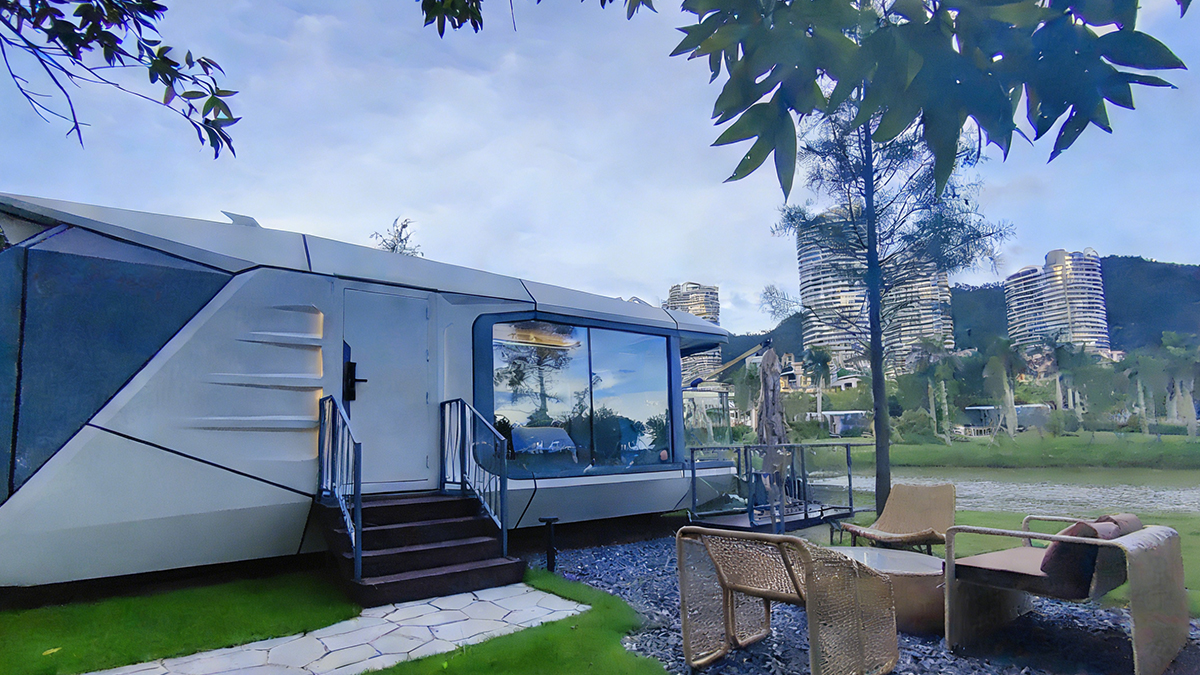
You can live near water in a new way. Coastal capsule houses use modular architecture for safety and flexibility. Some capsule houses float on lakes, rivers, or the sea. These floating homes are strong and do not get damaged by water. You can see nice views and feel safe during storms. Many people pick these homes in coastal towns because they are easy to move and set up.
Floating capsule houses let you live on water.
These homes last long and resist bad weather.
You can move them if you want a safer place.
Relocatable Housing
Relocatable capsule houses can be moved when needed. These homes come in pieces you put together or take apart. You can build them on land or water. If your family gets bigger, you can add more rooms. If you need to move, you can take your home with you. This helps people in places with disasters or far away. You do not have to wait a long time for a new house. You get a safe home much faster.
Here is a table that compares relocatable capsule houses and traditional housing:
Feature | Relocatable Capsule Houses | Traditional Housing |
|---|---|---|
Mobility | High | Low |
Durability | High | Variable |
Construction Quality | Consistent | Inconsistent |
Flexibility | High | Low |
Maintenance | Minimal | Often High |
Benefits and Challenges
Modular architecture gives many benefits in coastal and remote places. These homes are strong, easy to move, and use less material. You can reuse parts and help the earth. There are some challenges too. You need a good base to keep your home safe. You must make sure the house stays dry and strong in storms. Sometimes, it is hard to add windows or connect water and power.
Benefits | Challenges |
|---|---|
Sustainability through adaptive reuse | Structural integration |
Prefabrication | Introduction of openings |
Strength and durability | Systems integration |
Modularity | Waterproofing |
Transportability | Need for a proper foundation system |
Availability |
|
Modular capsule houses give new ways to live near water or in far places. They help you stay safe, move easily, and protect the earth.
Innovative Workspace Solutions
Office Capsules
 Office Capsules
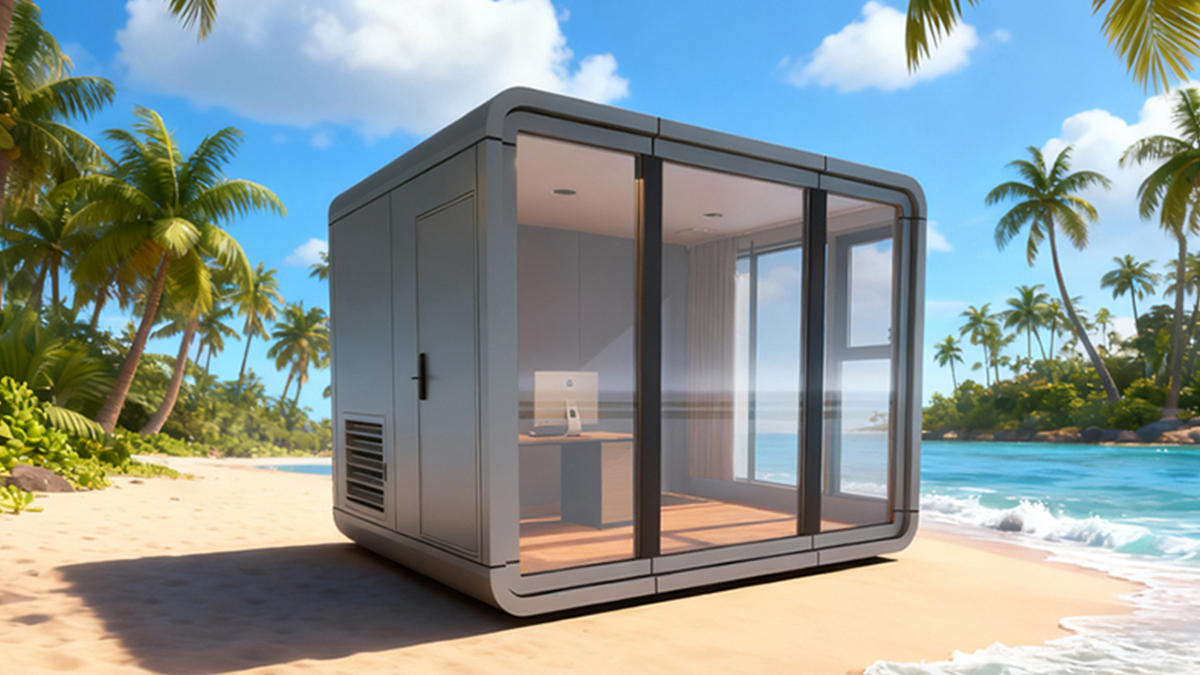
Capsule houses can be used as office spaces. Many companies pick these small units for offices. You might see them in busy cities or quiet suburbs. Capsule houses can become art studios or meditation rooms. Their small size lets you use them for many things. You can set up an office capsule fast. You can move it to a new spot when needed. Some offices have coffee stations to help people work better. Coffee helps you stay awake and focused. Having different coffee choices makes work more fun. It also helps teams work together.
Capsule houses can be offices or shared pods.
You can make them into art studios or meditation rooms.
Their small size fits in many places.
Coffee at work helps you focus and feel happy.
Many coffee choices help teamwork.
Co-Working Pods
Co-working pods use capsule house designs in many cities. These pods cost less than regular office spaces. You save money because you do not need big buildings. Capsule pods give you more choices. You can change the inside or move the pod if your team grows. Many groups use these pods to save time and money. You can make your workspace better without spending a lot. Office pods help you control costs and work faster.
Benefits and Challenges
Capsule house workspaces have good points and some problems. The table below shows what business studies found:
Benefits | Challenges |
|---|---|
Costs less than regular offices | Not much space inside |
You can change and improve them | Weather and location problems |
Good for the earth and makes little waste | Hard to sell later |
Great for travel and business projects | Rules and land limits |
| People may see them differently |
Capsule house workspaces help you save money and try new ways to work. They are flexible and good for the earth. You need to think about space and local rules. If you want a smart office, capsule houses give you many choices.
You now know seven ways people use capsule houses. These include micro-apartments and capsule hotels. People also use them as emergency shelters. Workers and students live in capsule dorms. Some are pop-up shops or restaurants. Others are for eco-tourism stays. There are modular coastal homes and workspace solutions.
Capsule houses give you smart and flexible choices. You can use them for living, working, or travel. These ideas help solve space or housing problems. Capsule homes show how simple, modern living can be the future.
FAQ
What is a capsule house?
A capsule house is a small, self-contained living space. You get everything you need in one compact unit. These homes often include a bed, bathroom, and storage.
How long does it take to set up a capsule house?
You can set up most capsule houses in a few hours. Some models arrive ready to use. Others need simple assembly with basic tools.
Are capsule houses safe during storms?
Capsule houses use strong materials. Many designs protect you from wind and rain. Always check the safety rating before you buy or rent.
Can you live in a capsule house year-round?
You can live in a capsule house all year if it has good insulation and heating. Some models work best for short stays or mild weather.
How much does a capsule house cost?
Capsule House Type | Average Price Range |
|---|---|
Basic Model | $5,000 – $15,000 |
Premium Model | $20,000 – $50,000 |
Prices change based on size, features, and location.