
24 Jun Advantages and Disadvantages of Different Capsule House Types Explained
You may ask why so many people talk about capsule house different types now. These small spaces provide smart ways to live, work, or travel. Capsule houses are showing up everywhere, and the market is growing fast. China is leading in making and creating new ideas for capsule house different types. People like capsule homes because they save money, cutting costs by up to 40%. They also help the planet by using old materials again, making them better for the earth. Prefab designs make moving and setting up simple.
Aspect | Benefit Example |
|---|---|
Affordability | Capsule houses usually cost much less than normal homes. |
Sustainability | Many use recycled stuff and make less trash. |
Mobility | You can move some capsule house different types and set them up fast. |
When picking a capsule house, think about comfort. Also consider how much you can change it and how easy it is to take care of it.
Key Takeaways
Capsule houses help people spend less money. They can cost 40% less than regular homes.
These homes are good for the planet. They use recycled stuff and make less trash.
Capsule houses have different types. Each type fits different needs. Some are for short stays. Some are for living all the time.
Think about comfort, how you can change things, and upkeep before picking a capsule house.
Capsule living works well for people who want cheap homes. It is also good for those who want homes that save energy and help the environment.
Capsule House Different Types Overview
You may wonder how many capsule house different types exist now. There are many choices out there. Each type has its own look, cost, and best use. Some are good for backyards. Others are great for vacations or fancy resorts.
Here’s a simple list of the main capsule house different types you can find:
Capsule Home Type | Approx. Price Range | Best Use Case |
|---|---|---|
Standard Capsule Home | Backyard units, budget rentals | |
Mid-Range / Luxury Capsule | $55,000 – $85,000 | Vacation rentals, boutique stays |
Resort-Grade Capsule Home | $80,000 – $120,000+ | Resorts, eco-lodges, premium Airbnb |
Capsule homes come in many price ranges. Some are basic and cost less. Others are nicer and made for special trips or business.
Capsule house different types are unique because of their design and use. Some have a small modular shape. You can move these if you want to live somewhere new. Others are bigger and take more time to set up. These feel more like a regular house.
Let’s see how a capsule house compares to a prefab house:
Aspect | Capsule House | Prefab House |
|---|---|---|
Structure | Compact modular unit | Larger modular or panel-built home |
Price Range | $30,000 – $100,000+ | |
Installation Time | 1–7 days | 2–8 weeks |
Mobility | High (can be relocated) | Low (usually fixed) |
Customization | Moderate | High |
Best Use | Rental, vacation, temporary living | Permanent residential housing |
There are lots of options with capsule house different types. Some are easy to set up and move. Others give you more space and ways to change things. You can pick what works best for you.
Capsule houses are not just for one group of people. You might want a simple place for a short stay. Or you may need a small home for a long time. Capsule house different types help you find what fits your life.
Capsule Apartment Units: Pros and Cons
 Pros of Capsule Apartment Units
 Pros of Capsule Apartment Units
If you want to try micro-living, capsule apartment units offer some big advantages. You get a smart, affordable way to live in the city without taking on a huge loan. These compact homes use every inch of space, so you don’t waste anything. Here’s why you might love them:
You save money. Capsule homes cost much less than regular apartments. You can move in without worrying about a mountain of debt.
You get efficient use of space. Designers make sure every corner works for you. You’ll find beds that fold up, tables that slide out, and shelves tucked into walls.
You help solve city housing problems. In crowded places, capsule houses give more people a place to live. They use less land and fit into small spots.
You can live in great locations. In cities like Tokyo, London, and New York, capsule houses cost 30–50% less than normal rentals. You get to live close to work or school without breaking the bank.
You see creative designs. Capsule houses can stack, link, or connect with other units. You can add modules or change the layout to fit your needs.
You help the planet. These micro homes use fewer materials and less energy. That means less waste and a smaller carbon footprint.
Capsule houses represent a big step forward for city living. Their compact design, low price, and flexibility make them a smart choice for people who want to live in busy cities. As more people try capsule living, these homes could change how cities grow and help more people find a place to stay.
Cons of Capsule Apartment Units
Capsule apartment units have some drawbacks you should know about. Living in a small space can feel tough, especially if you like to spread out. Here are some disadvantages to think about:
Limited space can make life tricky. If you have lots of stuff or a big family, you might feel cramped. Some people even feel claustrophobic in micro homes.
Privacy can be a problem. Thin walls mean you might hear your neighbors. You may not get much quiet time or personal space.
Comfort isn’t always great. The small size can make it hard to relax, work, or sleep. You might need time to get used to capsule living.
Storage is tight. You have to keep things tidy and use smart storage tricks, like under-floor drawers or furniture that does double duty.
Customizing your space can be hard. You can add mirrors or big windows to make it feel bigger, but you can’t always change the layout. City rules might stop you from building out or adding on.
Climate control can cost more. Keeping a tiny space warm or cool takes special systems. These can use more energy or need a bigger up-front investment.
Adapting takes time. If you’re used to a big house, moving into a compact home might feel strange at first.
If you want to try micro living, weigh the pros and cons. Capsule house units work well for some people, but not for everyone. Think about your lifestyle, your need for privacy, and how much space you really need before you make the move.
Capsule Hotels: Pros and Cons
Pros of Capsule Hotels
 Pros of Capsule Hotels
Many travelers pick capsule hotels for good reasons. These small rooms help you save money. You can stay in the city center without paying a lot. Capsule hotels are great for people traveling alone. They also work well for business trips and backpackers. You spend less on your room and have more money for fun.
Capsule hotels use space very well. You get a bed, charging ports, and sometimes a TV. All of these fit in a small pod. These rooms make it easy to pack light and keep things simple. Most capsule hotels are near train stations, airports, or downtown. This makes it easy to get around the city.
Capsule hotels are better for the planet. They use less energy and fewer materials than big hotels. This helps lower your carbon footprint. You still get comfort and style, just in a smaller space.
Here are some reasons people like capsule hotels:
They cost less, which helps travelers save money.
They are in good spots in the city.
They use space well and have what you need.
They are good for the earth and save energy.
They are easy for short trips or work visits.
Capsule hotels are also very clean. Staff follow strong cleaning rules. You get clean sheets every day. Shared spaces are cleaned often. This helps everyone feel safe and happy.
Cleaning Practice | Description |
|---|---|
Rigorous Cleaning Protocols | Capsule hotels have strong cleaning rules. They clean everything well between guests. |
Daily Housekeeping | Pods and shared spaces are cleaned every day. You get fresh sheets and trash is taken out. |
Shared Facilities | Common areas are cleaned many times a day. Staff focus on busy spots to keep things clean. |
Cons of Capsule Hotels
Capsule hotels have some downsides you should know. The small rooms mean you have less space. If you like to spread out, you may feel crowded. Noise can travel between pods. You might hear people talking or moving. Privacy is not great because you share bathrooms and other spaces.
Some people find it hard to sleep in a small pod. If you are not used to tiny rooms, it can feel strange. You might miss having your own bathroom or a big closet. These things can make capsule hotels less fun for families or people who want more comfort.
Capsule houses and capsule homes are good for short visits. They may not work for everyone. If you need more space or want more privacy, try other small homes or bigger capsule house types. Always think about the good and bad before you book your stay.
Mobile Capsule Houses: Pros and Cons
Pros of Mobile Capsule Houses
 Pros of Mobile Capsule Houses
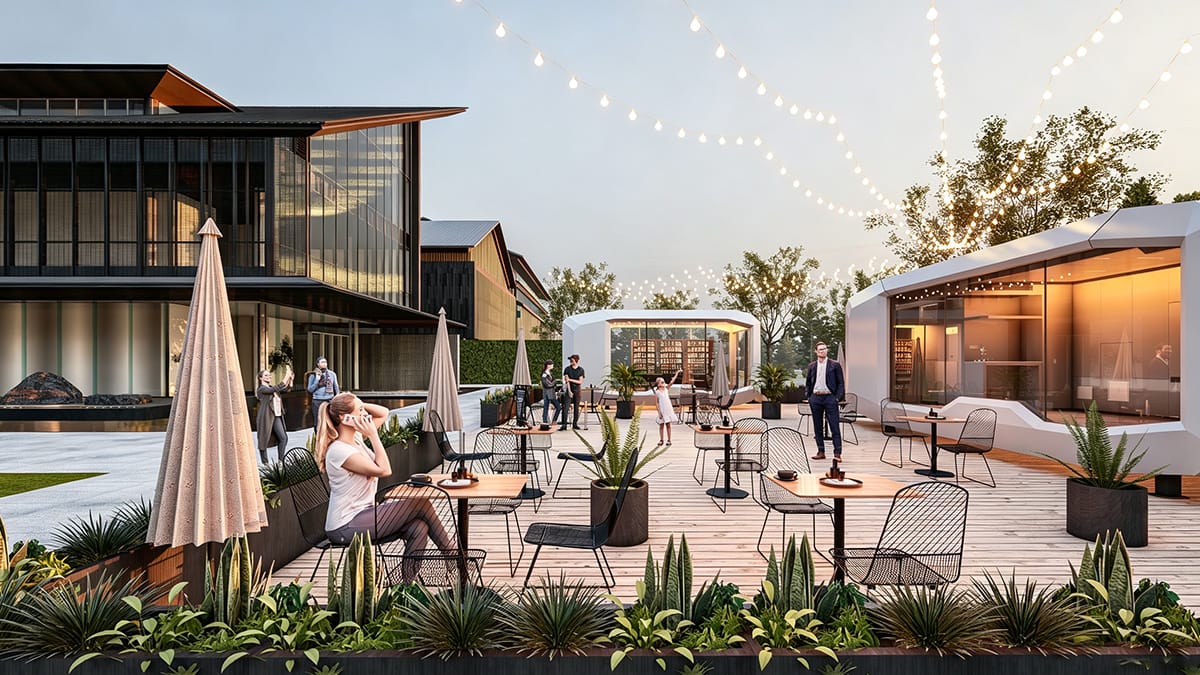
Mobile capsule houses are good for people who like to move. You can take your home with you anywhere you want. It is easy to set up in a new place, like a city or the beach. The design lets you move your house without much trouble. If you travel for work or fun, this is a big plus.
These homes are made for the future. They save energy and are good for the earth. You can put them up or take them down fast. This helps you deal with different weather or places. People who want new adventures often choose these homes.
Here are some more good things:
You use less stuff and make less trash, which helps nature.
You can save up to 4,000 kWh of energy each year by living small.
The small size and smart design mean you do not hurt the planet as much as a big house.
You can spend up to 40% less on building costs, so it is cheaper.
If you like small living, you will find smart ways to use space. You can fold, slide, or stack furniture to fit more in. These homes are great for people who want freedom and to move a lot.
Cons of Mobile Capsule Houses
Mobile capsule houses have some problems you should know about. The biggest problem is with local rules and laws. Not every place lets you have these homes. You might need special papers, and getting them can take time and money.
Disadvantage | Explanation |
|---|---|
Complications with regulatory compliance | Mobile capsule houses may face challenges in meeting local building codes and zoning laws. |
Bureaucratic hurdles | The process can involve significant red tape, leading to delays in construction. |
Need for permits | Obtaining necessary permits can increase costs and complicate the implementation of these houses. |
You might also feel less comfortable. Small spaces mean you cannot stretch out much. Noise goes through thin walls, so it is not very quiet. It can be hard to relax or work. You need smart ideas for storage and privacy, like sliding walls.
Weather can also be a problem. You may need double windows or thick walls to stay warm or cool. Some people add outdoor space or extra rooms to help. If you like lots of space or quiet, these homes may not be right for you.
Tip: Always check local rules before you buy or move your mobile capsule house. This can save you time, money, and stress.
If you look at the good and bad, you will see these homes are best for people who want to move and live small. They are not perfect for everyone, but they let you live light and go where you want.
Modular Capsule Houses: Pros and Cons
Pros of Modular Capsule Houses
 Pros of Modular Capsule Houses
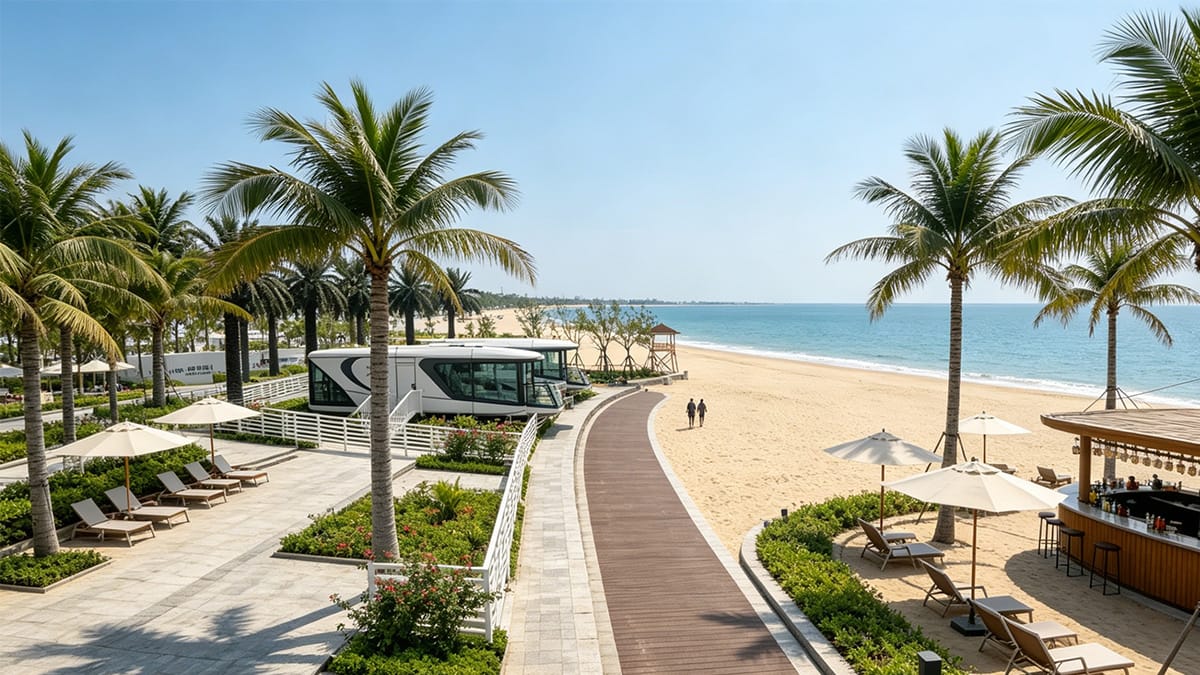
If you want choices, modular capsule houses are a good pick. You can start with one unit and add more later. This helps if your family grows or your needs change. You can stack units or put them together in groups. Some people even make mixed spaces with these homes. You can change more things than in most micro homes.
Here are the main good points:
Benefit Type | Description |
|---|---|
Customization | You can design your space, stack units, or make clusters. |
You can grow or change your home and keep it nice. |
Building is fast because factories make the parts. This means no mess and less noise for neighbors. These homes save energy too. They use 30–40% less energy than normal houses. You pay less for bills and help the earth.
Modular building uses green materials.
Factories make less waste and recycle leftovers.
Controlled spaces use resources well.
Modular capsule houses work well in cities. You can change them to fit small city lots. This makes them a smart choice for city living. Micro living is easier when you can change your home as you need.
Tip: You can start small with modular capsule houses and add more later. Make your home fit your work, fun, or family.
Cons of Modular Capsule Houses
There are some problems to think about before you choose these homes. Land costs a lot and is hard to find. You need permits and checks, which take time. You pay a lot up front before you move in. This can make money tight.
Finding land takes time and money.
Getting water and power can be hard in far places.
Starting costs are higher than some small homes.
You must take care of your home. Check the base, roof, and outside often. Clean inside and outside. Look at pipes and wires to stop problems. Check heating and air before each season. If you skip these jobs, you could get leaks or mold.
Modular capsule houses have many good things, but you must plan for costs and care. If you want a green, flexible home, these are a good choice. Micro living is easier when you can change your space, but you must keep up with care.
Eco-Friendly Capsule Houses: Pros and Cons
Pros of Eco-Friendly Capsule Houses
 Pros of Eco-Friendly Capsule Houses
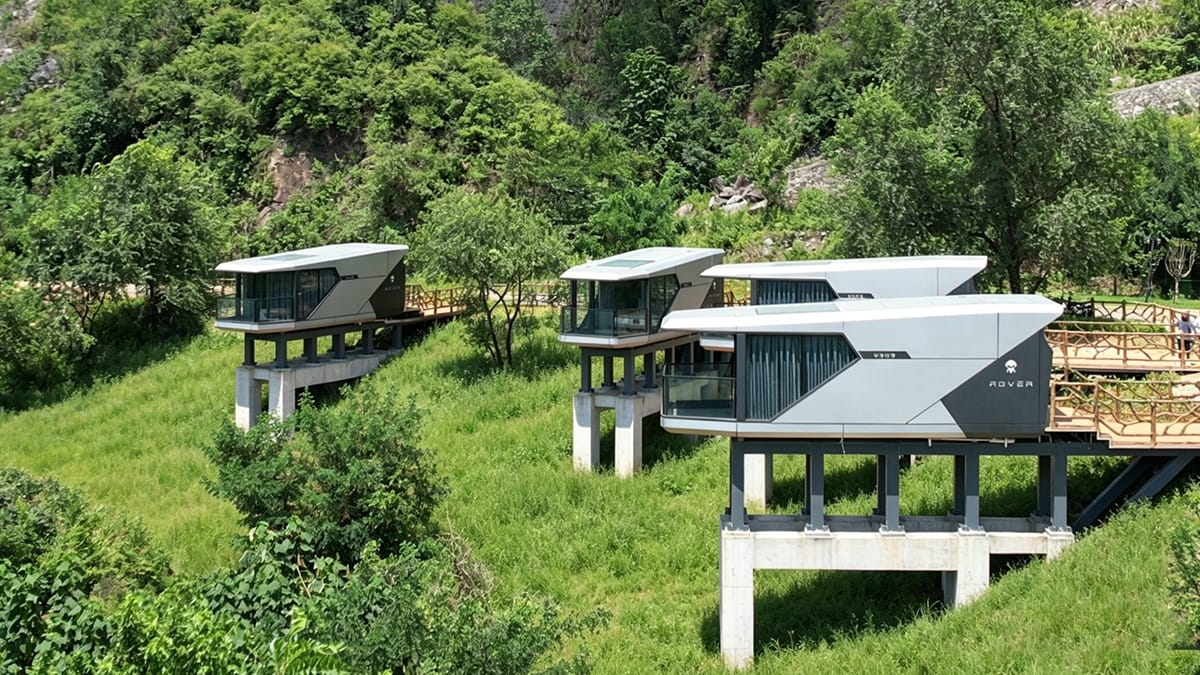
Eco-friendly capsule houses are getting lots of attention now. These homes are good for people who care about the earth. They use less energy and help nature. Good insulation keeps you warm in winter and cool in summer. Smart systems help you use less energy and waste less. You can save money on bills and still feel comfortable.
Here are some features and what they do:
Feature | Benefit |
|---|---|
Keeps your home’s temperature steady and saves money. | |
Smart systems | Lets you control energy use and stop waste. |
Minimal environmental impact | Easy to set up in special places and does not hurt nature. |
Low water consumption | Uses less water than normal hotels with special fixtures. |
Eco-friendly transportation | Small design means you need less land and fewer roads. |
You can use materials that are good for the planet. Many capsule houses use recycled steel, bamboo, and wood veneer. These are strong and safe for the earth. Solar panels help you live without using city power and make less pollution. Some brands use paints and finishes that are safe to breathe. This keeps the air inside your home clean.
Tip: If you want a home that helps the earth, eco-friendly capsule houses are a smart pick. You get a modern home and help the planet too.
Cons of Eco-Friendly Capsule Houses
Eco-friendly capsule houses have some problems to think about. You might have trouble with rules or laws when you build or move in. Some people do not like the idea of living in a small, green home. You may need to tell friends or family why these homes are good.
Challenge Type | Description |
|---|---|
You might need special papers or changes to local rules. | |
Consumer Acceptance | Not everyone wants to try new homes like capsule houses. |
Financing Options | You can get personal loans, but banks may not give you a mortgage. |
You need to take care of your home often. Check your house to stop water damage and mold. Look at the base, roof, and outside walls. Make sure the pipes and wires work well. Change air filters and check insulation to save energy. Clean your house and fix leaks or drafts. If you do not do these things, your home might not last long.
Check the base and roof for problems.
Take care of pipes and wires.
Change air filters and look at insulation.
Fix doors and windows to stop cold air.
Keep your house clean and stop bugs.
Eco-friendly capsule houses have many good things, but you must keep up with care and be ready for extra work.
Efficient Use of Space in Capsule Houses
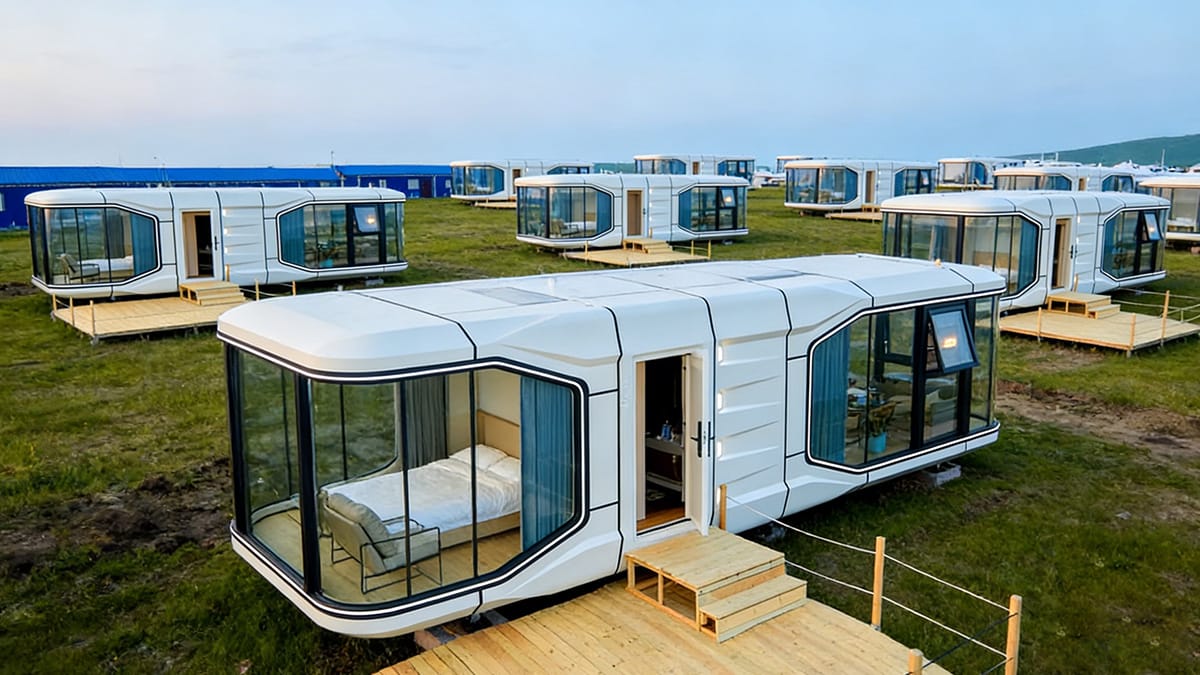 When you walk into a capsule house, you may be surprised. Everything fits in a small area. Designers use smart ideas to use every bit of space. No matter which type you pick, saving space is the main goal. The home feels bigger than it really is, even if it is small.
Capsule houses use special layouts and furniture to help you. Beds can fold into desks or sofas. Some tables slide out from the wall. Storage can hide under the floor or inside stairs. These tricks help you keep things neat and make the home feel open.
Here are some ways capsule houses use space well:
Built-in furniture that can change, like beds that turn into desks or couches.
Hidden storage under floors, inside benches, or behind walls.
Modular designs let you add or take away parts as needed.
Bright lights and light colors make rooms look bigger.
Smart technology controls lights, temperature, and storage.
Let’s see some design ideas that help save space:
Design Strategy | Description |
|---|---|
Space-saving principles | Mirrors and good layouts help you move and feel less crowded. |
Multifunctional furniture | One thing can do many jobs, like a sofa bed or a table that folds down. |
Tech helps you save energy and makes life easier in a small home. | |
Three-zone separation | Sleeping, working, and storage areas stay neat and organized. |
You might live in a city where space is tight. Capsule houses let you have comfort and privacy without a big home. Even with a small space, you get what you need: a bed, bathroom, and small kitchen. You can use one home alone or connect more for extra room.
If you want a home that uses space well, capsule houses are a good choice. You get more from less, and your home feels just right.
Comparison Table: Capsule House Types
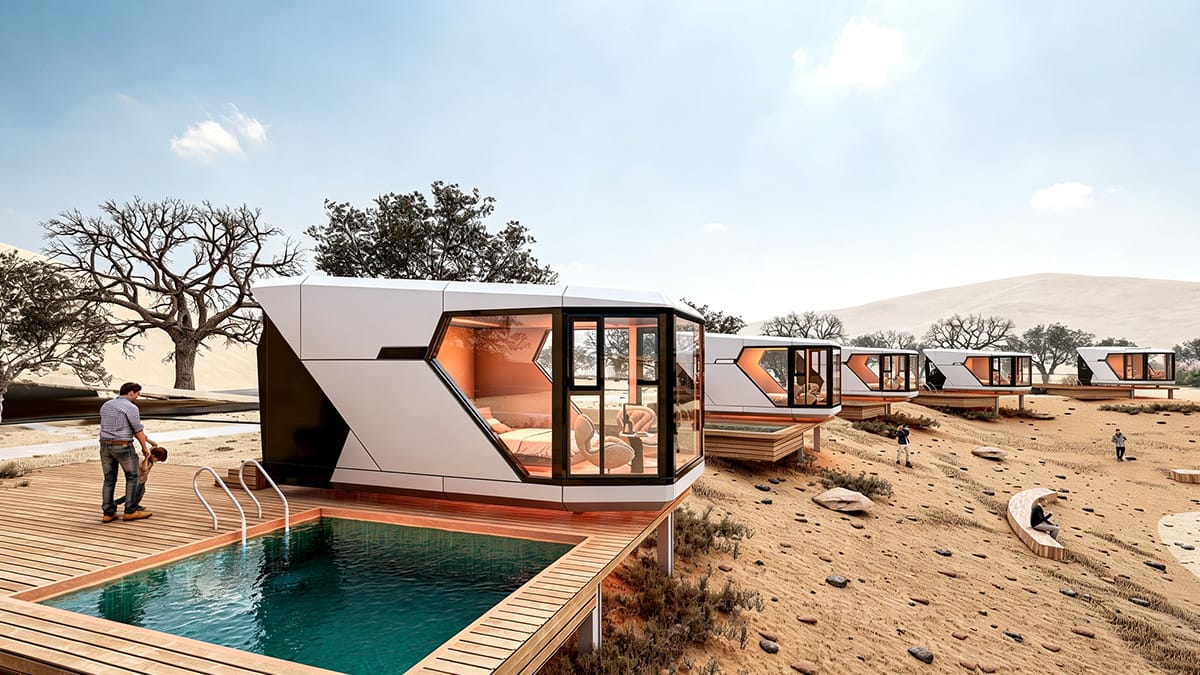 It can be confusing to see so many capsule house choices. Looking at the good and bad points can help you pick what is right for you. This table shows how each type is different in important ways:
Capsule House Type | Affordability | Mobility | Sustainability | Comfort | Maintenance |
|---|---|---|---|---|---|
Capsule Apartment Units | Very cost-effective. | Fixed. | Good, uses less energy. | Cozy but tight space. | Easy, small area. |
Capsule Hotels | Affordable housing for travelers. | Fixed. | Good, saves energy and materials. | Basic comfort, shared spaces. | Low, staff handles it. |
Mobile Capsule Houses | High, easy to move. | Great, uses less stuff. | Can feel small, less privacy. | Simple, but check often. | |
Modular Capsule Houses | Moderate, can add units. | Some, depends on design. | Very good, uses green materials. | Flexible, can expand. | Needs regular checks. |
Eco-Friendly Capsule Houses | Moderate to high, green features add cost. | Some, depends on build. | Excellent, lowest impact. | Comfortable, but compact. | Needs care to stay green. |
Tip: If you want a cheap place that is easy to set up, capsule apartment units or capsule hotels are good choices. You get a spot to live or stay without spending too much.
All capsule house types try to save space and energy. Most cost less than normal homes. Mobile and modular types let you move or change your home more. Eco-friendly capsule houses are best for the earth, but you must take care of them.
Capsule houses are great for people who want a simple life. You get smart design, lower bills, and less trash. If you want more comfort or privacy, you may need a bigger home. Always think about what you need most before you pick.
You’ve seen the ups and downs of each capsule house type. Some give you more freedom, while others focus on comfort or green living. To find your ideal living solution, try these steps:
Think about how you feel in small spaces.
Look at your daily habits and what you really need.
Plan for changes in your life.
Pick a home that matches your values.
Before you decide, visit some capsule houses, compare prices, and talk to experts. This helps you see if the future of capsule houses fits your life.
FAQ
What is a capsule house?
You get a small, smart home that uses space well. Designers build capsule houses for easy living, travel, or work. You can find them in cities, resorts, or even on wheels.
Can you customize a capsule house?
You can change many features. Some types let you pick colors, layouts, or add extra modules. Modular capsule houses give you the most options for making your space fit your needs.
Are capsule houses safe?
You stay safe in most capsule houses. Builders use strong materials and follow safety rules. You should check for fire alarms, sturdy locks, and good insulation before you move in.
How much does a capsule house cost?
Prices vary. Basic units start around $15,000. Luxury or eco-friendly models can cost over $100,000. You save money compared to regular homes, but extra features add to the price.
Who should consider living in a capsule house?
You might like capsule houses if you want to save money, live simply, or travel often. Students, solo workers, and eco-conscious people find these homes fit their lifestyle.